Cetearyl alcohol. Cocamidopropyl betaine. Polyquaternium-10. If those sound like they belong in a science fiction movie rather than your shower, you’re not alone. INCI names — the standardized ingredient names used globally on product labels — are deliberately technical, and most people have never heard them said out loud.
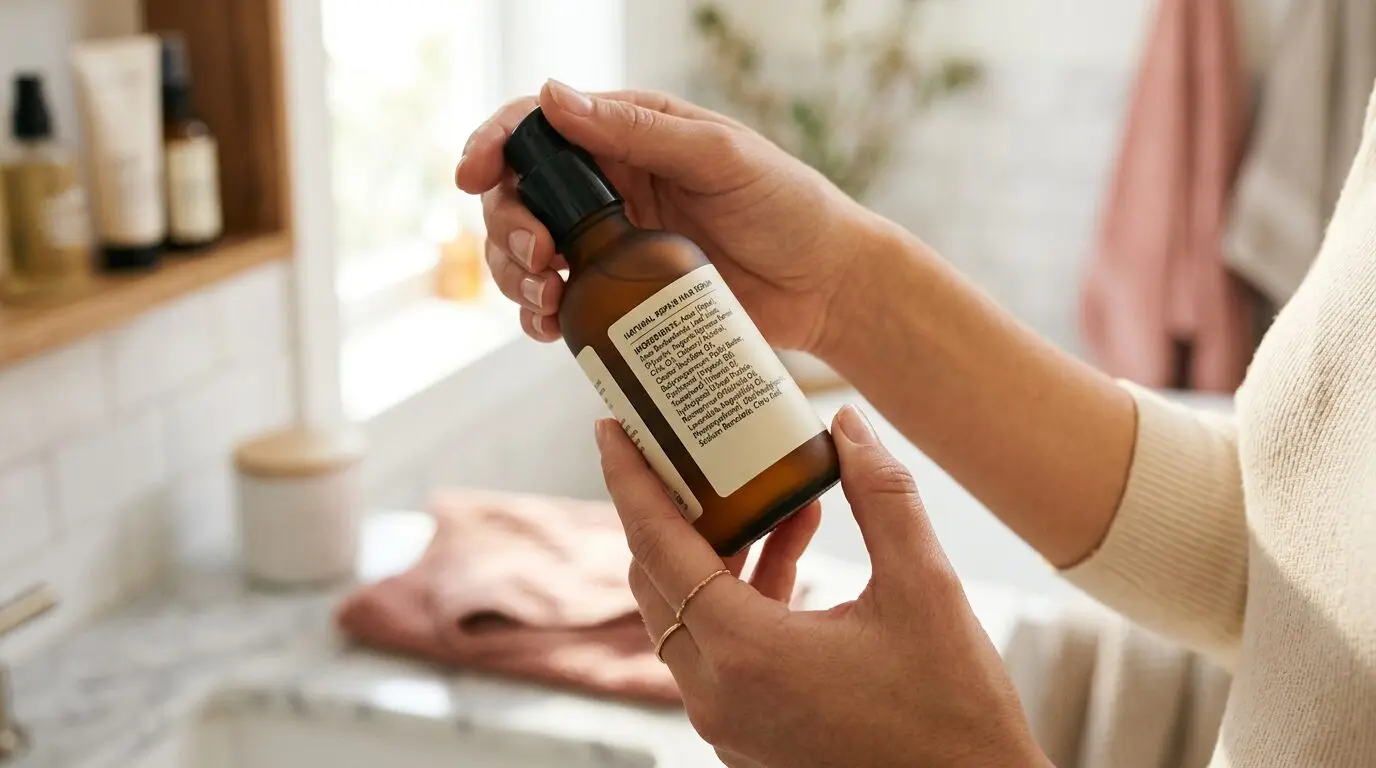
But here’s the thing: once you can say these names, they stop being scary. And when they stop being scary, you start actually reading labels — which is the single best thing you can do for your hair.
Why Ingredient Names Sound So Foreign
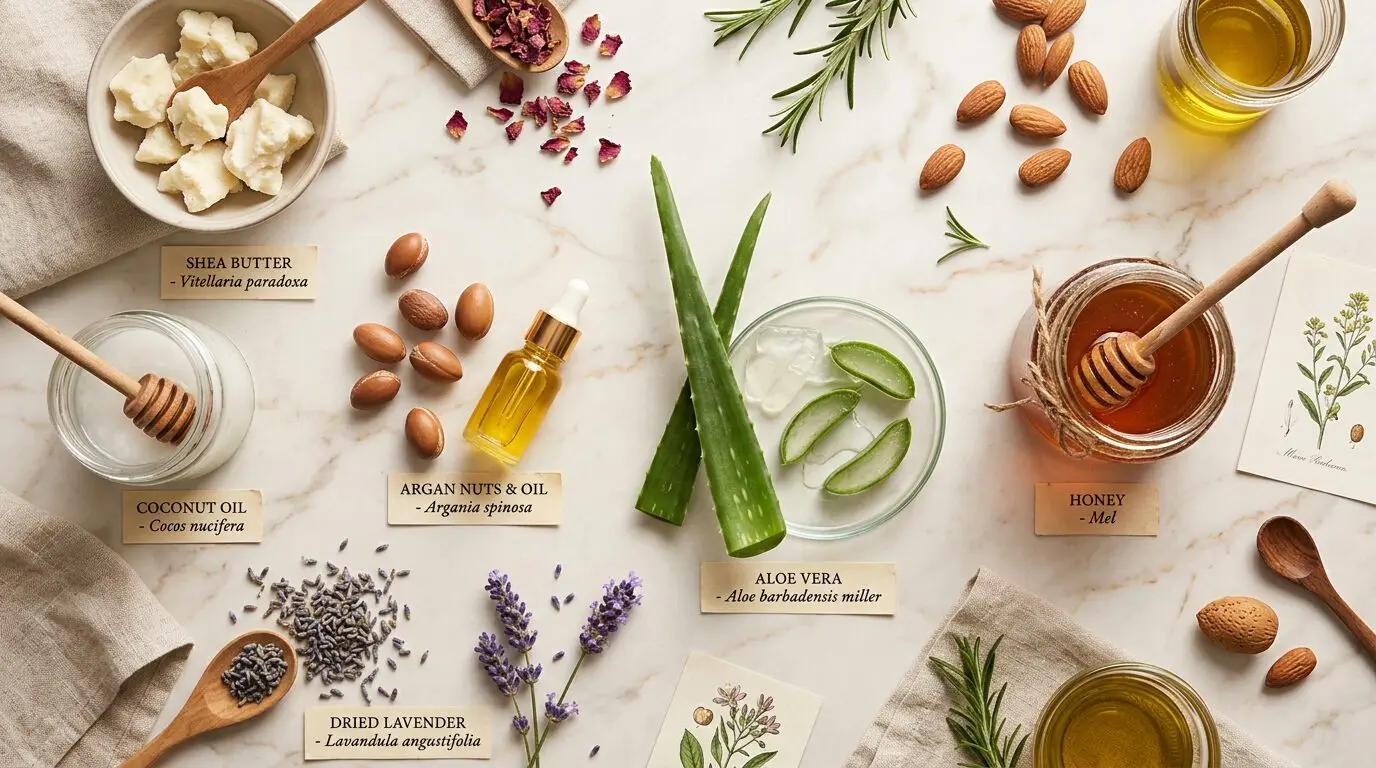
INCI names are based on Latin, chemistry nomenclature, and standardized botanical naming conventions. “Butyrospermum parkii” sounds intimidating until you learn it’s just shea butter. “Tocopherol” is vitamin E. “Aqua” is literally water.
The naming system exists so that ingredient lists are universal across countries. Whether you buy a product in Tokyo, Paris, or Dallas, the same INCI names appear on the back. That’s great for global consistency but terrible for everyday readability.
Learning to pronounce even 20-30 common ingredients transforms how you interact with hair products. You’ll recognize friends (glycerin, panthenol) and foes (sodium lauryl sulfate) instantly, without needing to look them up every time.
10 Most Mispronounced Hair Care Ingredients
Here are the ingredients that trip people up most often, along with their correct pronunciations:
- Behentrimonium methosulfate — bee-HEN-tree-MOH-nee-um meth-oh-SUL-fate (it’s a gentle conditioner, NOT a sulfate)
- Cocamidopropyl betaine — KOH-kuh-MID-oh-PRO-pil BEE-tain (a mild surfactant from coconut)
- Cetearyl alcohol — set-ee-AIR-il AL-koh-hol (a moisturizing fatty alcohol — the good kind)
- Polyquaternium-10 — pol-ee-kwah-TER-nee-um ten (a conditioning polymer, very common)
- Dimethicone — dye-METH-ih-kone (the most common silicone in hair products)
- Phenoxyethanol — fen-OX-ee-ETH-uh-nol (a widely used preservative)
- Hydroxypropyl methylcellulose — hy-DROX-ee-PRO-pil meth-il-SEL-yoo-lose (a thickening agent)
- Panthenol — PAN-theh-nol (Pro-Vitamin B5, a hair strengthener)
- Amodimethicone — ah-MOH-dye-METH-ih-kone (a modified silicone that targets damage)
- Butyrospermum parkii — byoo-TY-roh-SPER-mum PAR-kee-eye (INCI name for shea butter)
Play the Pronunciation Bee
Think you’ve got these down? Our Pronunciation Bee game quizzes you on 200+ ingredient names across multiple difficulty levels. Listen to the audio, try saying it yourself, then see the correct pronunciation and learn what the ingredient does.
How INCI Names Work
Understanding the naming patterns helps you decode unfamiliar ingredients faster:
- Botanical names follow Genus + Species format — Cocos nucifera (coconut), Argania spinosa (argan). Often followed by “oil,” “extract,” or “butter.”
- “-cone” or “-siloxane” endings indicate silicones — dimethicone, cyclomethicone, amodimethicone.
- “-sulfate” endings are surfactants (cleansers) — sodium lauryl sulfate, sodium laureth sulfate. Exception: behentrimonium methosulfate is a conditioner.
- “PEG-” prefixes indicate the ingredient is water-soluble and typically gentle. PEG-40 hydrogenated castor oil, for example.
- “-ol” endings are often alcohols — panthenol, cetearyl alcohol, phenoxyethanol. Some are moisturizing, some are drying.
Our Ingredients Encyclopedia has the full profile on every one of these, including which category they fall into.
Pronunciation Cheat Sheet by Category
Surfactants (Cleansers)
Sodium lauryl sulfate (SOH-dee-um LOR-il SUL-fate), sodium laureth sulfate (SOH-dee-um LOR-eth SUL-fate), cocamidopropyl betaine (KOH-kuh-MID-oh-PRO-pil BEE-tain), decyl glucoside (DEH-sil GLOO-koh-side).
Conditioning Agents
Cetrimonium chloride (set-RIM-oh-nee-um KLOR-ide), stearamidopropyl dimethylamine (steer-AM-ih-doh-PRO-pil dye-METH-il-ah-MEEN), behentrimonium methosulfate (bee-HEN-tree-MOH-nee-um meth-oh-SUL-fate).
Preservatives
Phenoxyethanol (fen-OX-ee-ETH-uh-nol), methylisothiazolinone (METH-il-EYE-so-thy-AZ-oh-lin-own), DMDM hydantoin (dee-em-dee-em hy-DAN-toh-in).
Frequently Asked Questions
Why should I bother learning ingredient names?
Because the ingredient list is the only honest part of any product. Marketing can say anything — the ingredient list can’t lie. Once you recognize key ingredients by name, you make better purchases and spend less on products that don’t work for your hair.
Are there ingredients that sound scary but are actually safe?
Absolutely. Cetearyl alcohol sounds like a drying alcohol but is actually a moisturizing fatty alcohol. Behentrimonium methosulfate contains “sulfate” in the name but is one of the gentlest conditioning ingredients available. Our Label Showdown game tests whether you can spot the difference.
How many ingredients should I memorize?
Start with the top 20 most common ones. That covers about 80% of what you’ll see on any product label. Our game builds your knowledge progressively from easy to advanced.
Where can I look up an ingredient I don’t recognize?
Our Ingredients Encyclopedia has 500+ entries with plain-English explanations, safety ratings, and CG compatibility. It’s the fastest way to decode any label.
The more comfortable you get with ingredient names, the better your hair product choices become. Challenge yourself daily with the Ingredient Investigator puzzle, then put your knowledge to work by analyzing your own products.