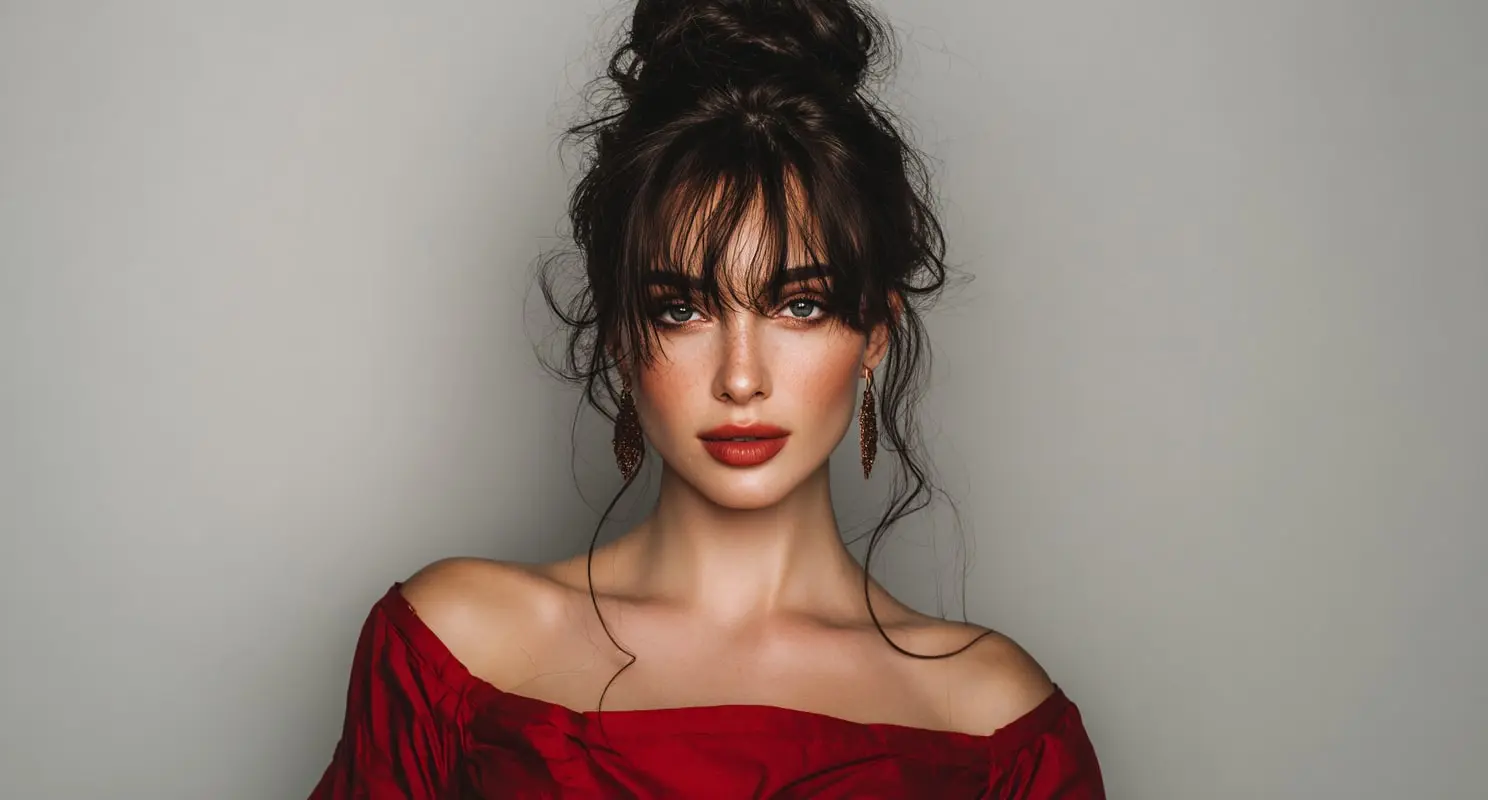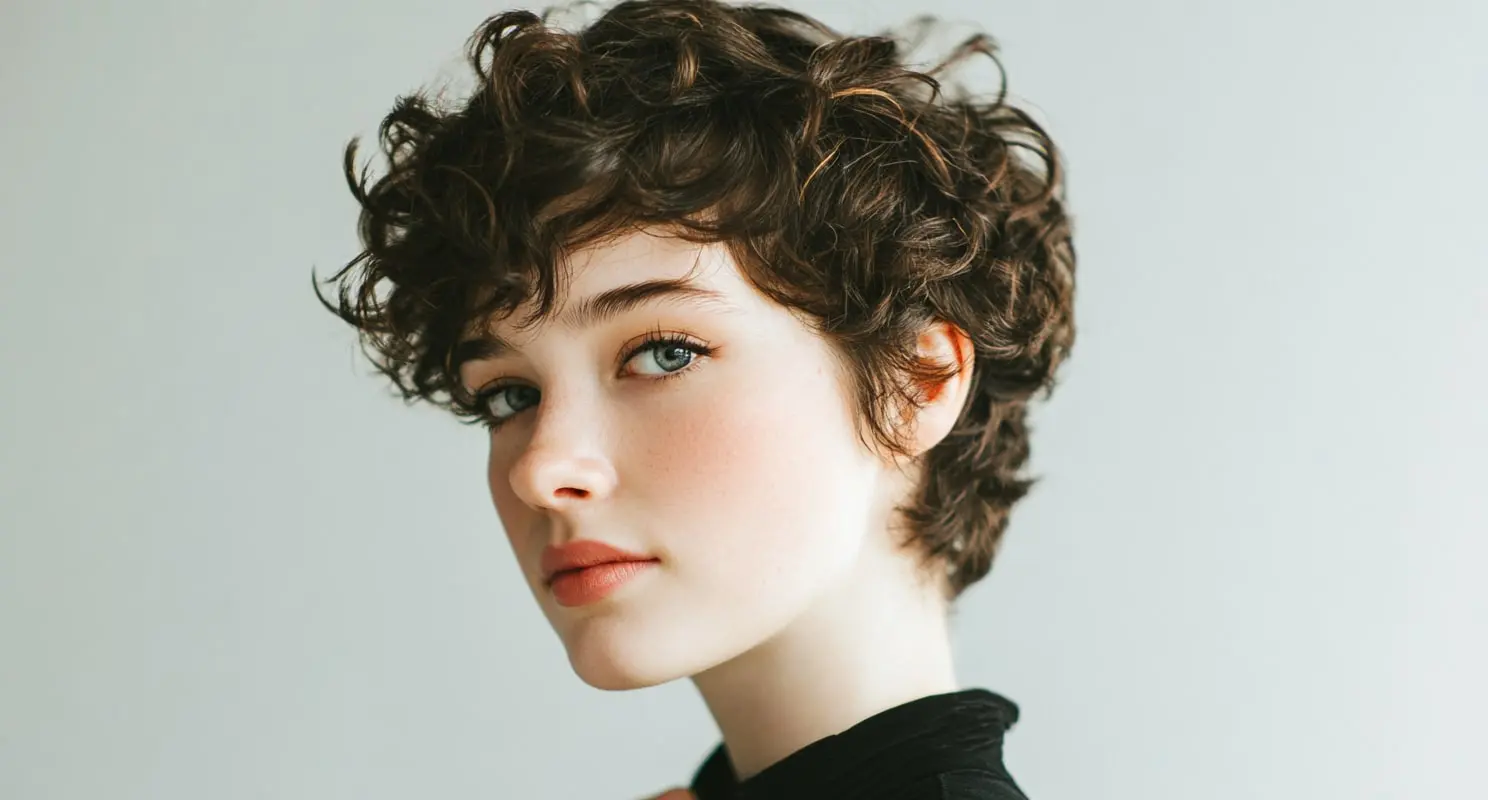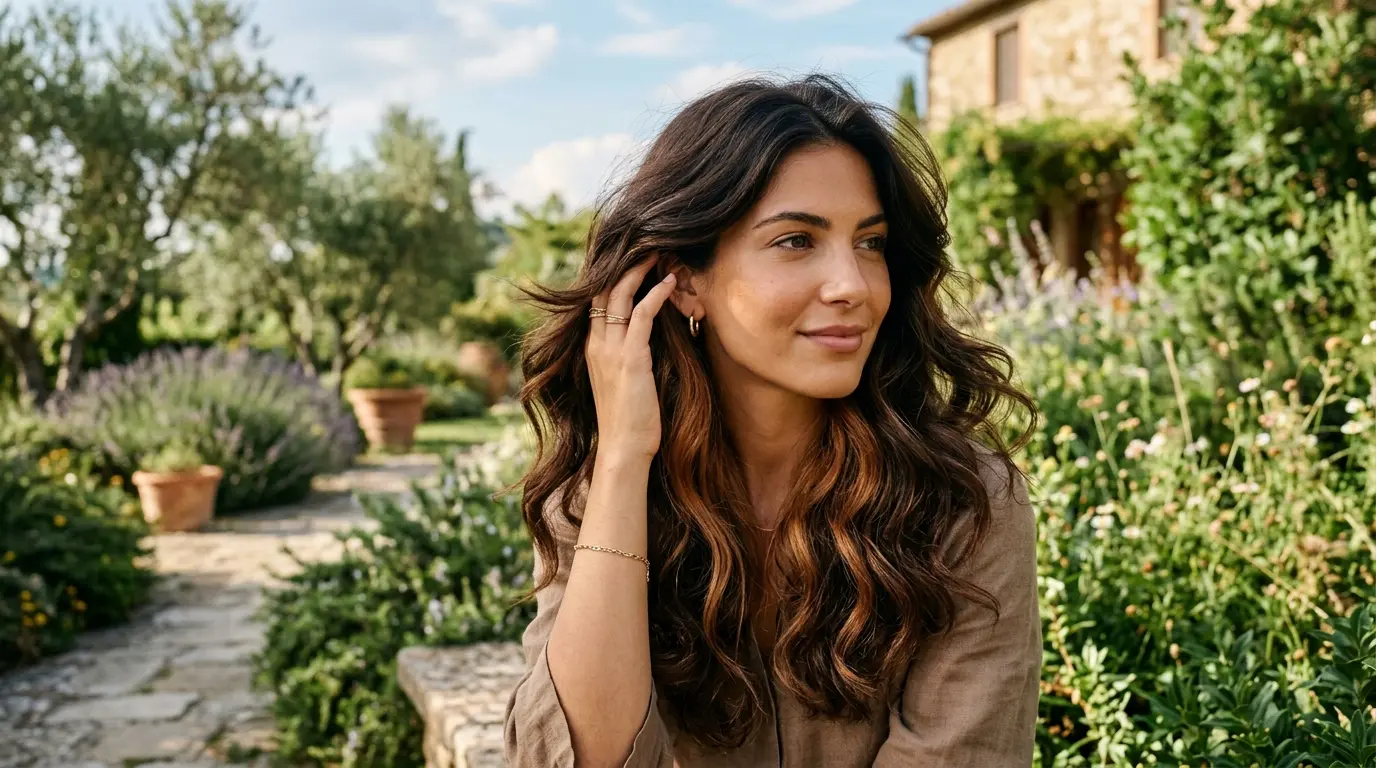
The best peekaboo hair color for thin hair uses small, strategically placed panels — a money piece, lowlights, or babylights — that add dimension and the illusion of volume without processing the whole head.
Fine, thin hair can make even great color look flat under studio lights, which is exactly why peekaboo hair color has taken over salon consultations this year. Instead of processing every strand, colorists tuck bold or unexpected shades underneath the top layer, so they flash into view only when hair moves, flips, or gets tucked behind an ear. The strategic placement does double duty: it adds visual depth that tricks the eye into seeing more volume, and it keeps overall damage low since only a fraction of the hair is lightened or toned.
Whether you want a barely-there money piece for the office or a full violet reveal for weekends, there’s a peekaboo technique built for your density and lifestyle. Ahead, 20 colorist-approved variations — from lowlights and balayage melts to chunky 90s streaks and metallic foils — each chosen specifically for how it reads on fine, thin strands.
1. Classic Auburn Money Piece

Hover on images and discover how pinning can transform your collection of favorites!
The money piece is a single face-framing panel colored a shade or two brighter than your base, and it remains the most requested peekaboo technique because it draws light directly to the face. On thin hair, warm auburn or copper tones catch the eye and create the illusion of a fuller, more textured hairline. It flatters nearly every face shape and grows out gracefully since only two panels near the part are colored. Ask your colorist to angle the panel back slightly so it blends into layers instead of looking like a stripe.
2. Espresso Peekaboo Lowlights

Hover on images and discover how pinning can transform your collection of favorites!
Instead of adding brightness, this technique tucks rich espresso-brown lowlights underneath a lighter base to create shadow and depth. For thin hair, the contrast between the top layer and the hidden lowlights tricks the eye into perceiving more texture and thickness, especially under overhead light. It’s an especially low-maintenance option since dark lowlights blend into regrowth with barely any visible line. Best on hair that’s already blonde or light brown, so the contrast reads clearly when sections lift.
3. Chunky 90s-Style Peekaboo Streaks

Hover on images and discover how pinning can transform your collection of favorites!
A throwback to Y2K styling, this look uses two or three wide, chunky streaks placed just under the crown rather than the fine, blended pieces used in modern balayage. The boldness works surprisingly well on thin hair because a chunky streak reads as a defined section rather than getting lost in thin strands. It pairs best with sleek, straight styles or half-up ponytails that let the streaks show fully. Because the sections are wide and few, it’s also faster and cheaper to apply than fine-strand techniques.
4. Dip-Dye Peekaboo Tips

Hover on images and discover how pinning can transform your collection of favorites!
This technique colors only the bottom two to three inches of a hidden underlayer, so the tips flash a contrasting color whenever hair swings or flips. It’s a favorite for thin hair because it adds visual weight right at the ends, the area that typically looks thinnest and most see-through. The dipped section can be a natural tone for subtlety or a vivid shade for drama, and it grows out with almost no maintenance since it lives at the ends, not the root. Best styled with soft waves that let the dipped tips catch the light.
5. Babylights Peekaboo Weave

Hover on images and discover how pinning can transform your collection of favorites!
Babylights use extremely fine, hair-thin strands woven throughout a hidden underlayer, mimicking the way a child’s hair naturally lightens in the sun. Because the strands are so fine, this is one of the gentlest peekaboo methods available and creates a soft, multidimensional glow rather than a bold reveal. On thin hair, the micro-strands blend seamlessly and add the appearance of density without looking artificial or streaky. It requires a skilled colorist and more time in the chair, but the low-maintenance regrowth makes up for the longer initial appointment.
6. Color-Blocked Peekaboo Panels

Hover on images and discover how pinning can transform your collection of favorites!
Rather than blending tones, this graphic technique places one solid, high-contrast color in a defined block underneath the top layer, creating a bold reveal instead of a soft one. It’s a statement option for thin hair because the flat block of color reads as thick, saturated, and deliberate, avoiding the wispy look fine strands can have with softer techniques. It looks best in a jewel tone or bright fashion color against a neutral base. Because it’s a solid block rather than fine strands, upkeep is mostly about root touch-ups every couple of months.
7. Peekaboo Balayage Melt

Hover on images and discover how pinning can transform your collection of favorites!
This version borrows balayage’s hand-painted, graduated technique but confines it to a hidden underlayer instead of the whole head, so the color melts from a darker root to a lighter end only where it peeks through. On thin hair, the soft gradient avoids any harsh line that could look sparse, keeping the reveal looking natural and lived-in. It’s one of the lowest-maintenance peekaboo options since balayage grows out without a visible demarcation line. Best for anyone who wants dimension without committing to a bold, single-tone reveal.
8. Crown-Panel Peekaboo

Hover on images and discover how pinning can transform your collection of favorites!
This technique places the colored panel high, right at the crown, so it’s completely invisible when hair is down and only shows when it’s pulled into a ponytail, bun, or half-up style. For thin hair, this is a clever way to test a bold color without full-time commitment, since it stays hidden for work or school and comes out for weekends. It also adds noticeable dimension at the crown, an area that can look flat and thin from behind. Best applied in a shade that contrasts clearly with the base for maximum reveal impact.
9. Vivid Violet Peekaboo Pop

Hover on images and discover how pinning can transform your collection of favorites!
A saturated violet panel placed underneath the top layer delivers maximum visual payoff for minimal color coverage, making it a favorite for anyone who wants a fashion-color moment without dyeing all their hair. On thin hair, a single vivid panel reads as intentional and graphic rather than overwhelming, since the rest of the hair stays natural. It requires a pre-lightened base to show true, so expect a two-step process at the salon. Because vivids fade fastest on porous, lightened hair, a color-depositing purple shampoo helps extend the payoff between salon visits.
10. Reverse Root Peekaboo

Hover on images and discover how pinning can transform your collection of favorites!
This technique flips the usual placement by coloring a hidden panel starting right at the root and fading out partway down the shaft, so it peeks through at the part line rather than at the ends. It’s particularly good for thin hair because it adds visual density exactly where a thinning part can look most exposed. The reveal is subtle when hair is worn down and center-parted, but shows clearly when styled off to one side. It works well in a tone one to two shades darker or brighter than the base for a soft shadow-root effect.
11. Temple Peekaboo Flicks

Hover on images and discover how pinning can transform your collection of favorites!
Small, face-framing pieces colored right at the temples flick into view whenever hair moves, tucks behind the ear, or gets swept back. This micro-placement is ideal for thin hair because it requires only a couple of thin sections, keeping processing minimal while still brightening the face. It’s a subtler cousin of the money piece, sitting further back so it reads as dimension rather than a bold streak. Best in a tone close to your natural color with just enough lift to catch the light.
12. Nape Peekaboo Reveal

Hover on images and discover how pinning can transform your collection of favorites!
Placed low at the nape, this panel is invisible when hair is down and fully hidden even in low ponytails, making it the most private peekaboo option, revealed only in updos or when hair is lifted. On thin hair, it’s a low-pressure way to experiment with a bold or unconventional color since daily life never shows it unless you choose to. It’s especially popular in deep jewel tones or unexpected brights that wouldn’t suit an all-over application. Upkeep is minimal since the nape sees the least sun exposure and fades slower than crown or face-framing panels.
13. Two-Tone Split Peekaboo

Hover on images and discover how pinning can transform your collection of favorites!
This graphic technique parts the hair down the center and colors one hidden underlayer a completely different, solid tone from the other side, so the reveal shows two distinct colors rather than one accent shade. On thin hair, the clean color division reads as bold and intentional, adding visual interest that a single subtle panel can’t achieve. It’s best suited to those who want a striking, editorial look rather than an everyday-office style. Because both sides need separate processing, expect a longer appointment and a slightly higher price than a single-panel technique.
14. Metallic Rose Gold Peekaboo Accents

Hover on images and discover how pinning can transform your collection of favorites!
Metallic and pearlescent tones like rose gold or icy chrome catch light differently than standard permanent color, giving peekaboo panels a shimmery, almost holographic effect when they flash into view. For thin hair, that extra shine reads as healthy and glossy, drawing attention in a flattering way rather than exposing thinness. Metallic shades fade faster than traditional color, so they work best as a seasonal or special-occasion reveal rather than a long-term commitment. A weekly gloss treatment helps maintain the metallic sheen between salon visits.
15. Halo Peekaboo Part

Hover on images and discover how pinning can transform your collection of favorites!
Rather than hiding under a full layer, this technique colors a thin ring of hair that circles the crown just below the part, so a halo of color is visible any time hair is parted or lifted slightly. It’s a subtle but constant reveal, unlike panels that only show during movement, making it ideal for thin hair that’s often worn parted and flat. The halo shape adds the illusion of a fuller crown, an area that shows thinning first for many women. Best kept to a soft, natural-adjacent tone so the halo reads as dimension rather than a stripe.
16. Peekaboo Color-Melt Undercut

Hover on images and discover how pinning can transform your collection of favorites!
This technique combines a small undercut section at the nape or behind one ear with a hand-painted color melt applied directly to the shaved or closely trimmed area. It suits thin hair surprisingly well because the undercut itself adds textural contrast, while the color melt keeps the shorter section from looking sparse or patchy. It’s the most dramatic peekaboo option on this list, fully hidden under longer top layers but bold when styled up or swept to one side. Best for those comfortable with a semi-permanent haircut change alongside the color.
17. Pastel Lavender Peekaboo Streaks

Hover on images and discover how pinning can transform your collection of favorites!
Soft, diluted pastel tones like lavender create a whisper-quiet reveal that’s more playful than dramatic, especially when placed in thin, fine streaks rather than a single wide panel. On thin hair, the light, low-saturation color avoids looking heavy or artificial, blending into blonde or light brown bases almost like a natural sun-kissed effect. Pastels require a well-lightened base to show true and fade faster than vivids, typically needing a refresh every four to six weeks. Best styled with loose curls that let the individual streaks show through the layers.
18. Underlighting Peekaboo Weft

Hover on images and discover how pinning can transform your collection of favorites!
Underlighting places one flat, horizontal band of solid color across the entire underlayer, like a hidden weft, rather than scattering individual streaks throughout. On thin hair, this full horizontal coverage reads as more deliberate and dense than scattered highlights, since the whole underside lifts or tones evenly. It’s especially striking when the top layer is worn tucked or pinned back on one side, letting the full band show at once. Best applied by a colorist experienced in sectioning to keep the line clean and avoid visible gaps.
19. Peekaboo Ombre Ends

Hover on images and discover how pinning can transform your collection of favorites!
This technique starts the color transition mid-shaft on a hidden underlayer and gradually lightens toward the ends, creating a soft ombre effect that’s only visible on the underside of the hair. For thin hair, the gradual fade avoids any harsh regrowth line and adds gentle dimension without demanding frequent salon visits. It reads as sun-kissed and natural rather than graphic, making it one of the more office-friendly peekaboo options. Best combined with soft beachy waves that let the gradient show gradually rather than all at once.
20. Bold Blue-Black Peekaboo Contrast

Hover on images and discover how pinning can transform your collection of favorites!
For very dark hair, this technique skips lightening altogether and instead deposits a cool blue-black or midnight-blue tone into a hidden panel, creating contrast through cool versus warm undertones rather than light versus dark. It’s a low-damage option for thin hair since it uses a deposit-only gloss rather than bleach, keeping strands strong while still adding a striking reveal in direct or colored light. The subtle sheen shift is most visible outdoors or under stage lighting. Best refreshed with a glossing treatment every six to eight weeks to keep the tone rich.
You Might Also Like
Peekaboo hair color proves you don’t need a full-head transformation to make thin hair look thicker, richer, and more dimensional. The techniques above range from low-commitment options like babylights and lowlights to high-impact choices like color blocking and vivids, so you can match the boldness to your comfort level, budget, and how often you’re willing to sit in the chair for touch-ups.
If you’re trying this at home or in the chair for the first time, ask your colorist to place the panel slightly higher than you’d expect — hair naturally falls forward and down, so a panel placed a half-inch above your part line will peek through far more often than one hidden too low.
Frequently Asked Questions
Is peekaboo hair color safe for thin or fine hair?
Yes — peekaboo color is often gentler than all-over highlights because a colorist lightens only a small, targeted section instead of the whole head, limiting overall processing and breakage. Choosing lowlights or a low-volume developer for the panel makes it even safer for fragile, fine strands.
How much does peekaboo hair color cost at a salon?
Because it targets a small panel rather than the whole head, peekaboo color typically runs $75-$180 at a salon, compared to $150-$400+ for full balayage or highlights. Price varies with panel size, color intensity, and whether vivids or bleach-and-tone are involved.
How often do I need to touch up peekaboo highlights?
Most peekaboo panels need a touch-up every 8-12 weeks, since only a small section is colored and regrowth is far less noticeable than with all-over color. Vivid or bleached panels fade faster and may need a gloss refresh every 4-6 weeks to stay vibrant.
Can I wear peekaboo hair color for both everyday and formal looks?
Yes — that's part of its appeal. Worn down, the color stays mostly hidden for a polished everyday look, but pulling hair into a ponytail, half-up style, or braid reveals the panel for an instant statement look at events, without changing your daily routine.
Which face shapes does peekaboo hair color flatter most?
Peekaboo color flatters nearly every face shape because placement can be customized: face-framing panels near the temples soften angular or square jawlines, while panels near the crown or nape suit round or oval faces by adding length and dimension without widening the face.