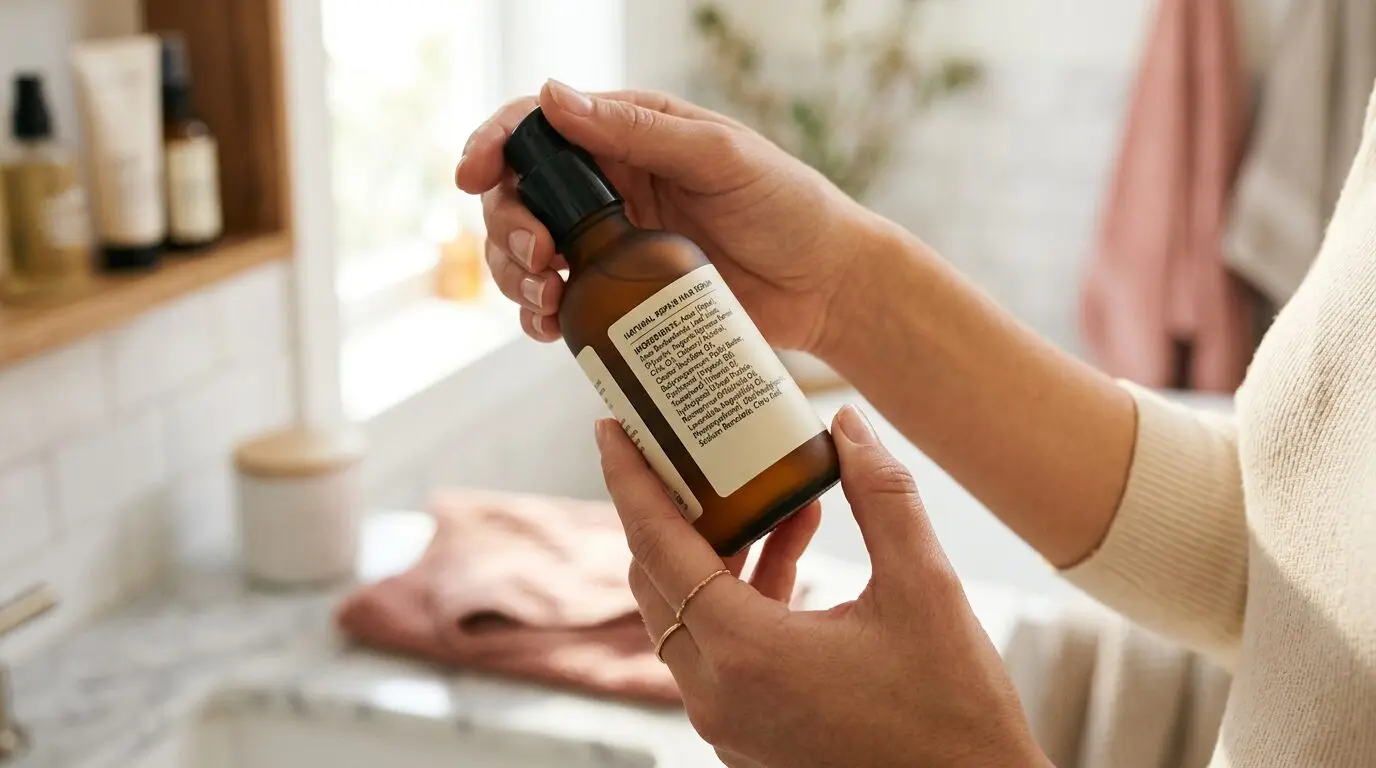
There are over 12,000 ingredients approved for use in cosmetics and hair care products. Most of us can name maybe five of them. The rest? They hide behind unpronounceable INCI names, quietly doing their job — or quietly causing problems you don’t even realize are connected to your products.
Our Hair Ingredient Encyclopedia takes the guesswork out. Search any ingredient by name, browse by function, or filter by safety tier. Every entry is written in plain English with a clear verdict: safe, use with caution, or avoid.
Why You Should Know What’s in Your Products
Hair product ingredients interact with your hair and scalp every single day. They can hydrate or dehydrate, strengthen or weaken, soothe or irritate. When something goes wrong — unexpected dryness, scalp flaking, limp curls, excess shedding — the ingredient list is usually where the answer lives.
Understanding ingredients also makes you a smarter shopper. You’ll stop paying premium prices for products that are mostly water and fragrance. You’ll recognize when a “new breakthrough ingredient” is actually something that’s been around for decades under a different marketing name.
How to Use the Encyclopedia
Our database is designed for quick lookups and deep dives:
- Search by name — Type any INCI name or common name to find its full profile
- Browse by category — Surfactants, humectants, proteins, silicones, preservatives, and more
- Filter by safety tier — A (excellent) through D (avoid) ratings based on research
- CG compatibility — Instantly see if an ingredient is approved for the Curly Girl Method
- Function tags — Understand whether an ingredient cleanses, conditions, preserves, or adds fragrance
Safety Tiers Explained
Every ingredient in our database is assigned a safety tier based on published research, cosmetic safety databases, and expert consensus:
- Tier A — Excellent — Well-studied, widely considered safe, no significant concerns. Examples: glycerin, shea butter, aloe vera.
- Tier B — Good — Generally safe with minor considerations for certain groups. Examples: cetyl alcohol (safe fatty alcohol, sometimes confused with drying alcohols), phenoxyethanol (effective preservative at approved concentrations).
- Tier C — Caution — Mixed evidence or concerns for sensitive individuals. Examples: certain fragrances, some preservatives, heavy silicones that cause buildup.
- Tier D — Avoid — Enough evidence of potential irritation, sensitization, or health concerns to warrant choosing alternatives. Examples: formaldehyde releasers, certain UV filters.
Important: a Tier C ingredient isn’t dangerous — it’s just one where informed consumers might choose an alternative. Everyone’s sensitivity is different.
CG Method: Which Ingredients Are Approved?
The Curly Girl Method has a specific set of ingredients to avoid. Our encyclopedia tags every ingredient for CG compatibility:
- CG Approved — Safe for the Curly Girl Method. No sulfates, insoluble silicones, or drying alcohols.
- CG Caution — Water-soluble silicones or mild surfactants that some CG followers accept and others don’t.
- Not CG — Contains sulfates, insoluble silicones, or drying alcohols that the method prohibits.
Following the CG method? Use the encyclopedia alongside our Label Analyzer to check entire products at once rather than looking up ingredients one by one.
10 Ingredients to Seek Out (and 10 to Avoid)
Seek these out:
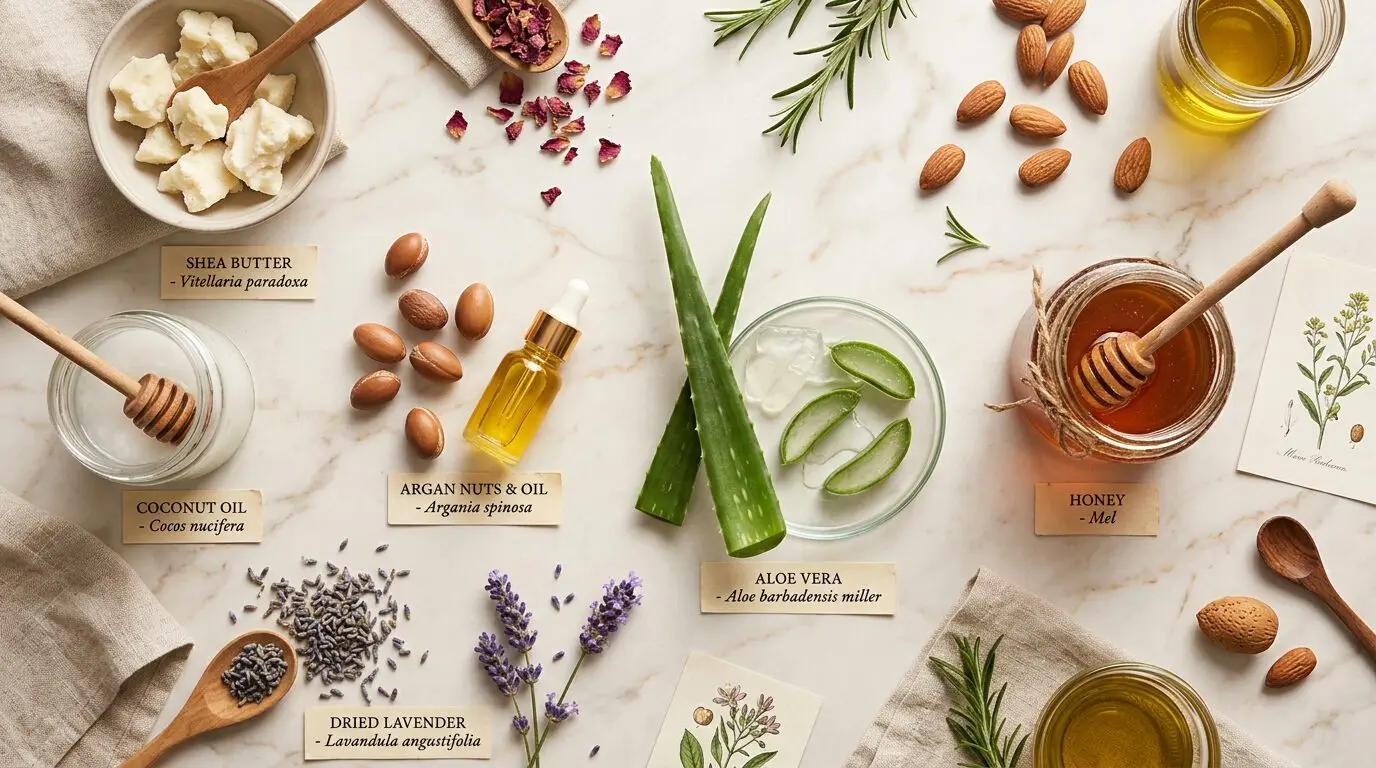
- Glycerin — Top-tier humectant that pulls moisture into hair
- Shea butter — Rich emollient for dry and coily hair
- Hydrolyzed keratin — Strengthens damaged hair from within
- Argan oil — Lightweight oil rich in vitamin E and fatty acids
- Panthenol (Pro-Vitamin B5) — Improves elasticity and moisture retention
- Aloe barbadensis leaf juice — Soothing, hydrating, lightweight
- Coconut oil — Penetrates the hair shaft for deep conditioning
- Rice protein — Volumizing and strengthening for fine hair
- Jojoba oil — Mimics natural sebum, balances oily scalps
- Behentrimonium methosulfate — Gentle conditioning agent (not a sulfate despite the name)
Think twice about these:
- Sodium lauryl sulfate (SLS) — Harsh cleanser that strips natural oils
- DMDM hydantoin — Formaldehyde-releasing preservative
- Alcohol denat — Drying alcohol that evaporates moisture
- Mineral oil — Occlusive that blocks moisture from entering hair
- Synthetic fragrance (Parfum) — Undisclosed blend of potentially irritating chemicals
- Isopropyl alcohol — Another drying alcohol found in some styling products
- Quaternium-15 — Another formaldehyde releaser
- Triclosan — Antibacterial agent with environmental and health concerns
- Phthalates (DEP, DBP) — Often hidden in “fragrance,” linked to endocrine disruption
- Coal tar — Found in some anti-dandruff products, linked to health concerns
Frequently Asked Questions
How many ingredients does the database cover?
Over 500 ingredients and growing. This covers the vast majority of ingredients you’ll encounter in commercially available hair care products. If you find one we haven’t covered, let us know.
Can I trust these safety ratings?
Our ratings are based on cosmetic safety research, regulatory data, and expert review. They’re a guide for informed decision-making, not medical advice. If you have specific allergies or sensitivities, always consult a dermatologist.
What’s the difference between this and the Label Analyzer?
The Encyclopedia lets you look up individual ingredients. The Label Analyzer evaluates an entire product at once. Use the encyclopedia to learn, and the analyzer to quickly check products before buying.
How do I pronounce these ingredients?
Great question — most people can’t. That’s why we built the Pronunciation Bee, a game that teaches you to say 200+ INCI names correctly. Once you can pronounce them, they feel a lot less intimidating.
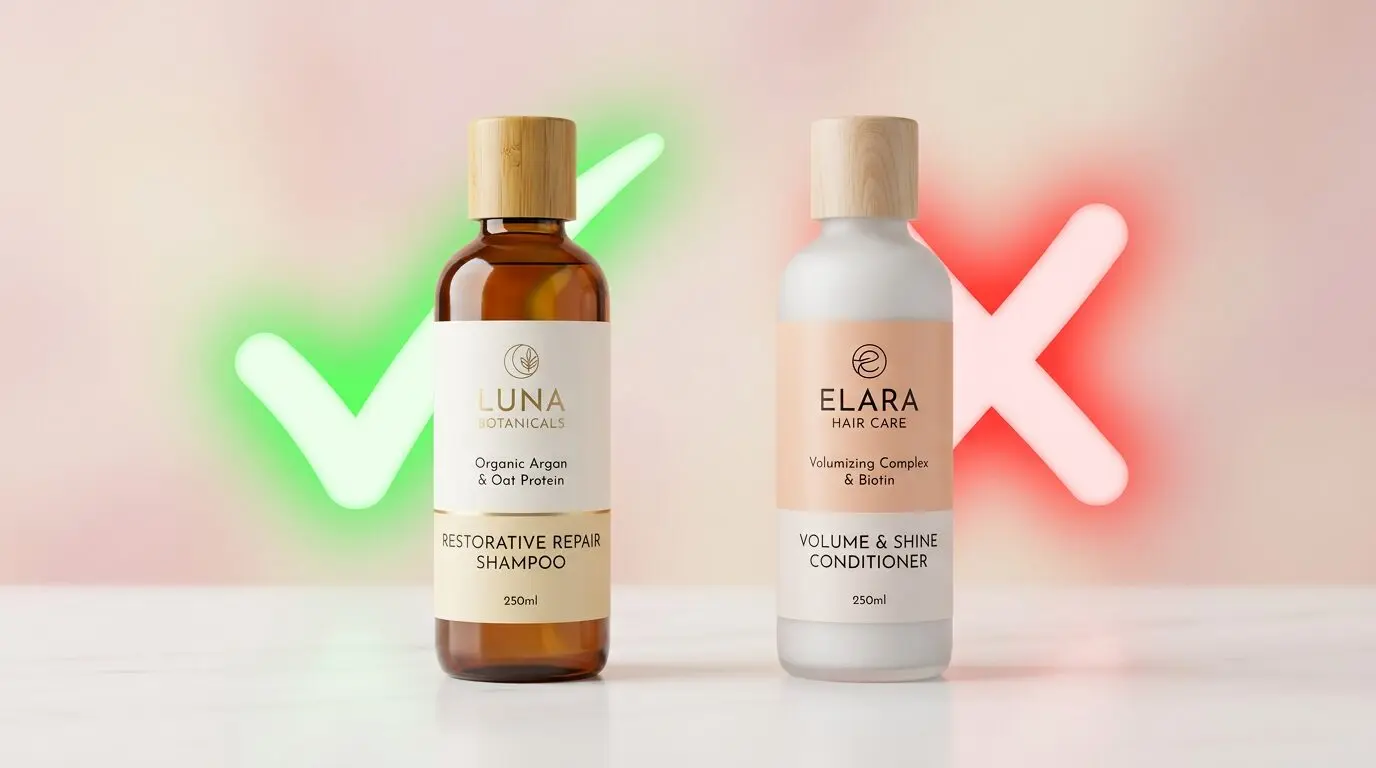
Want to put your ingredient knowledge to the test? Try our daily Ingredient Investigator puzzle or compete in the Label Showdown to see if you can pick the better product.