The most flattering balayage options for women over 40 are soft caramel or bronde tones that grow out gently, a silver-blending transition for going gray gracefully, and face-framing money-piece highlights that brighten the complexion without harsh contrast.
Balayage remains one of the most requested color techniques for women over 40, and it’s easy to see why: the hand-painted technique creates soft, natural-looking dimension that grows out gracefully instead of leaving a hard line at the root. That single detail — how forgiving it is between salon visits — is what keeps it topping color trend lists year after year, especially for anyone juggling a busy schedule or simply tired of frequent root touch-ups.
What makes balayage especially versatile after 40 is how many directions it can take: from a classic caramel-warmed base to a strategic silver-blending technique for hair that’s going gray, from bold vivid accents to icy, cool-toned blondes. Below are 20 balayage looks — organized by tone, technique, hair type, and maintenance level — to bring to your next color consultation.
1. Caramel Balayage on Medium Brown Base

Hover on images and discover how pinning can transform your collection of favorites!
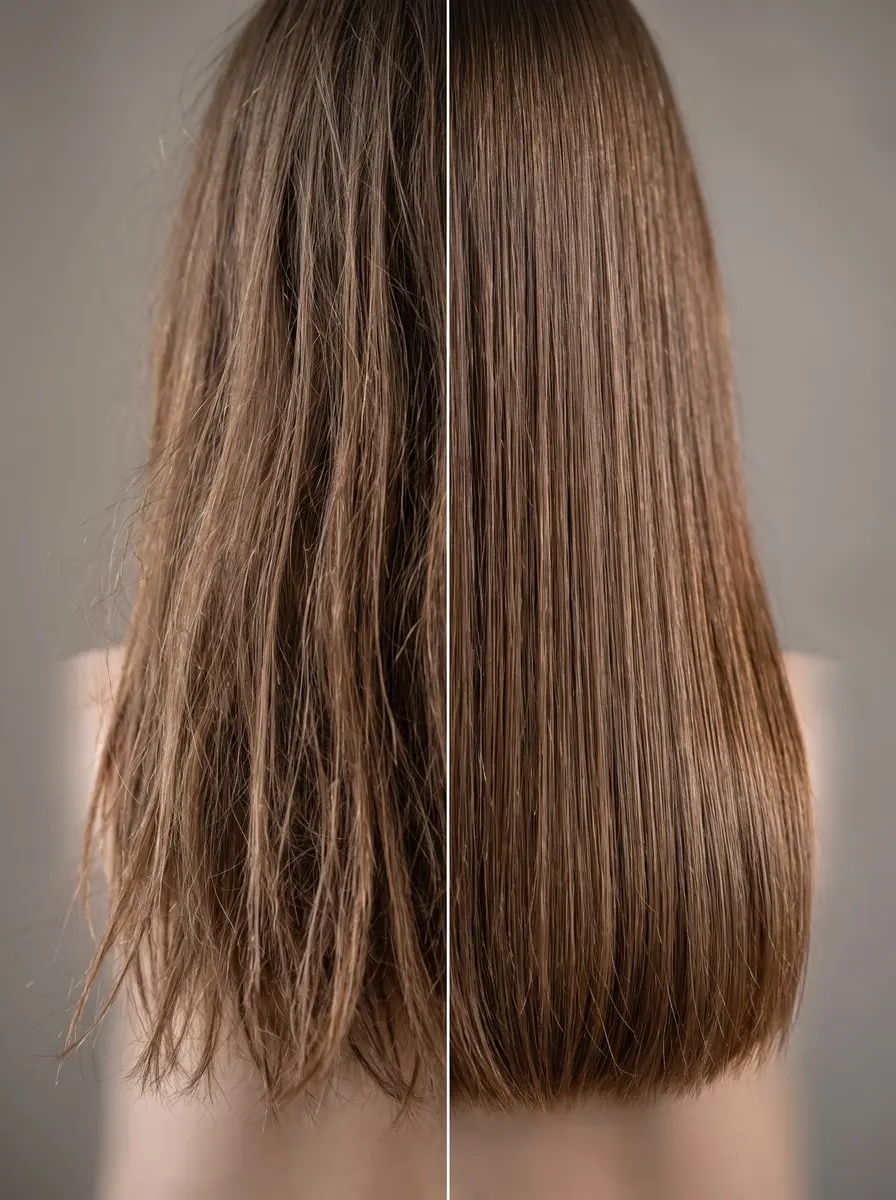
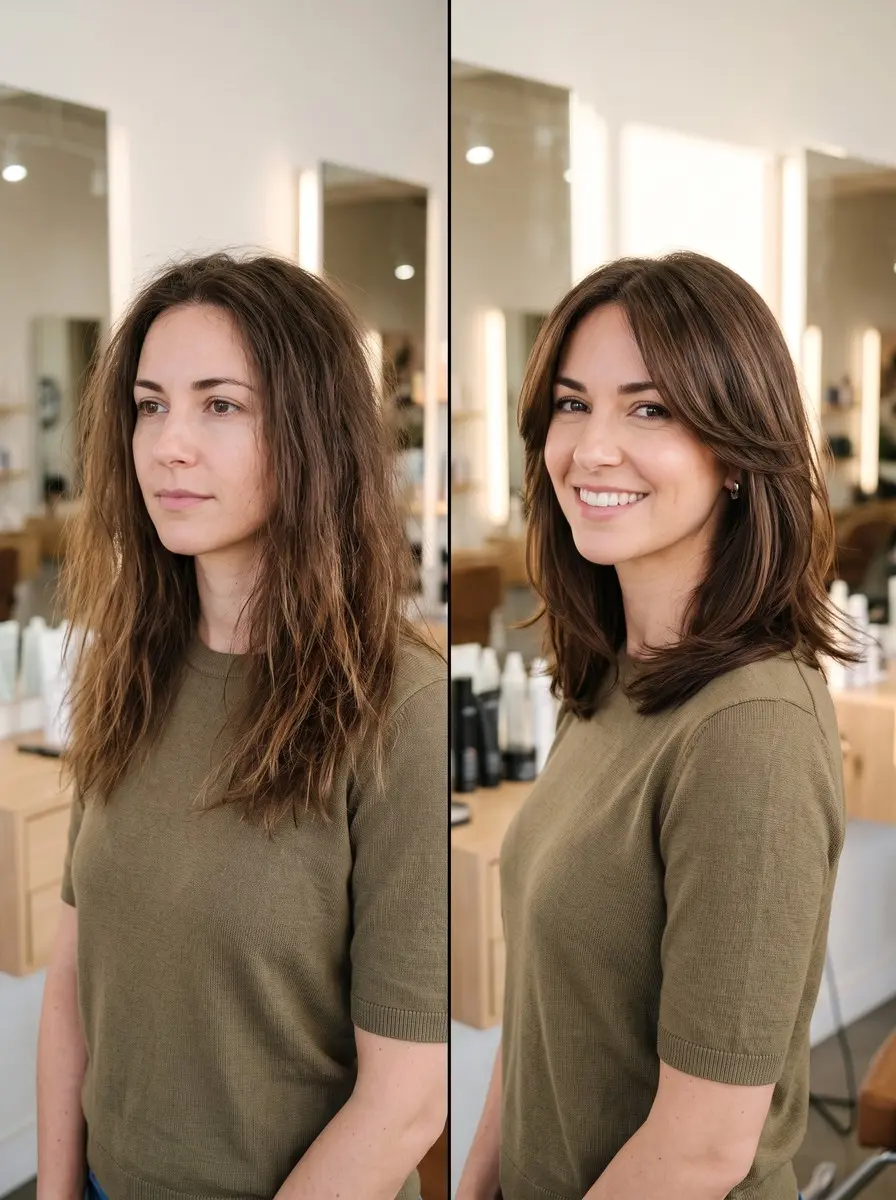
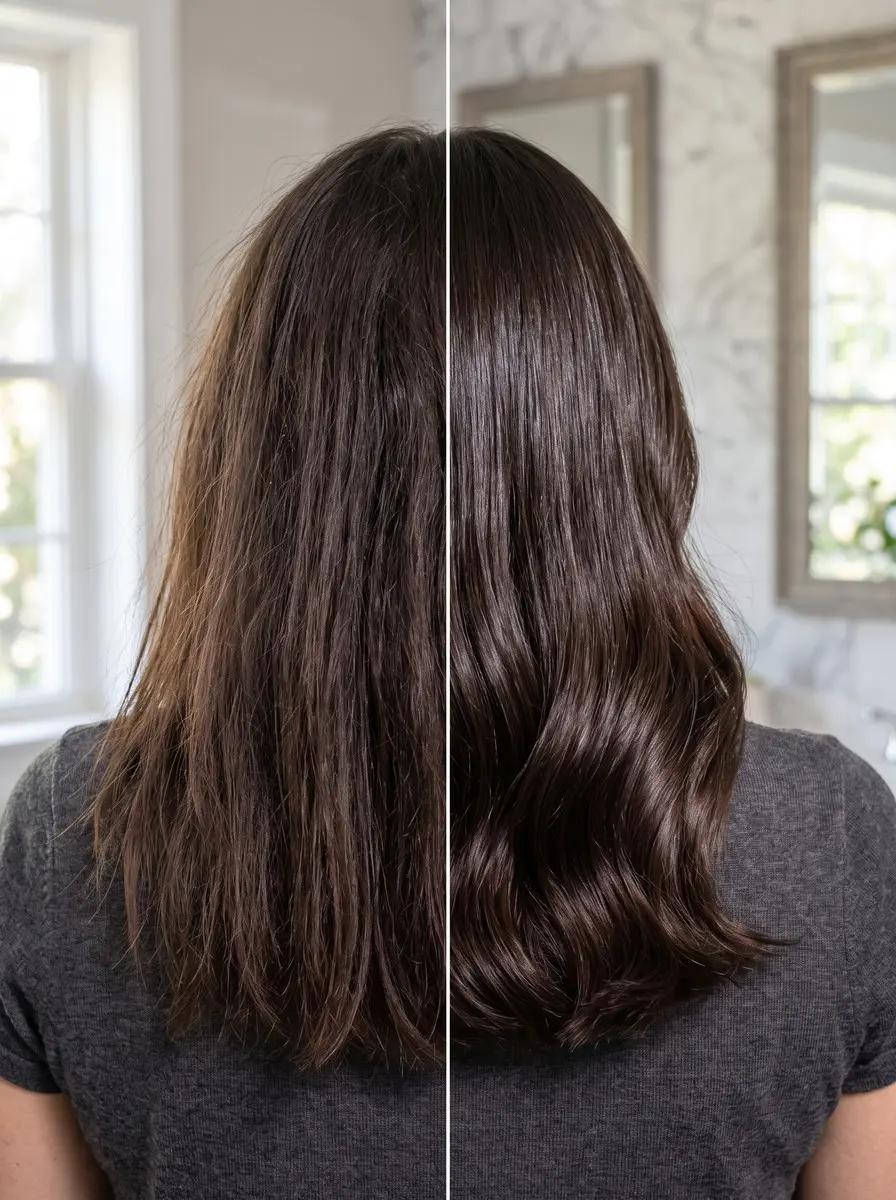
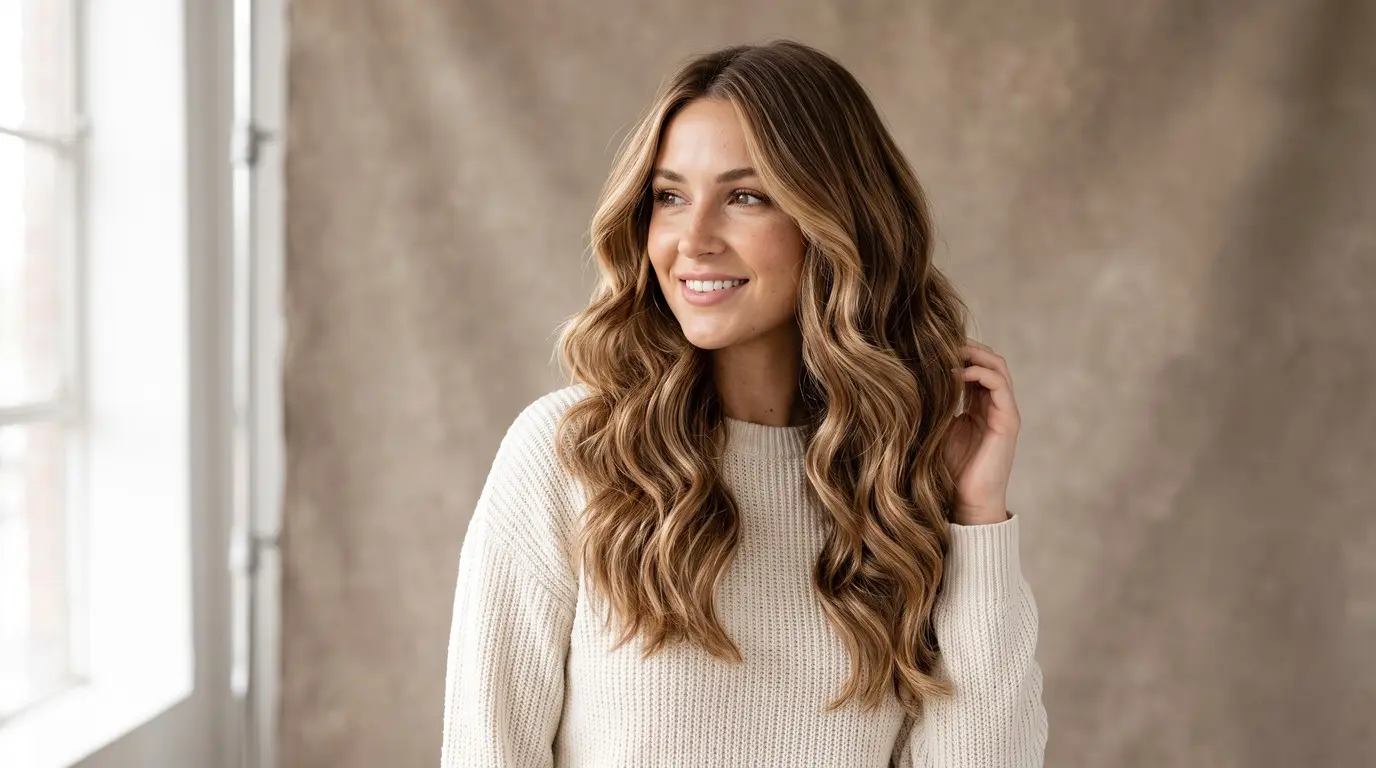
This warm, low-contrast take on balayage sweeps caramel and toffee tones through a medium brown base, keeping the color close enough to natural that regrowth is barely noticeable. It suits hair with a warm undertone and adds gentle dimension without a dramatic color commitment. Because the tones sit close together, a single gloss appointment between full balayage sessions keeps the color rich. Ask your colorist about a color-safe, sulfate-free shampoo to keep the caramel pieces from fading toward brass.
2. Silver-Blending Transition Balayage

Hover on images and discover how pinning can transform your collection of favorites!
Rather than covering every strand of silver, this technique hand-paints pale, cool-toned highlights around the hairline and crown to blend new gray in with the surrounding hair, so the transition looks intentional instead of patchy. It’s a popular option for anyone easing away from all-over color rather than committing to a full gray-out overnight. Because it’s painted rather than foiled, the boundary stays soft as more silver grows in. A weekly purple shampoo helps keep both the silver and the lightened pieces from turning yellow.
3. Bronde Dimensional Multi-Tonal Balayage

Hover on images and discover how pinning can transform your collection of favorites!
This look layers three or four shades — from deeper brown roots through mid-toned bronze to soft blonde ends — for a multi-tonal effect that reads as rich rather than flat under indoor lighting. It suits hair that’s been through a few color changes, since the multiple tones camouflage any unevenness left behind. Because there’s no single dominant shade, this balayage grows out with unusual subtlety. Request a demi-permanent gloss every 8 to 10 weeks to keep all the tones cohesive as they fade.
4. Bold Copper Vivid-Accent Balayage

Hover on images and discover how pinning can transform your collection of favorites!
For a fashion-forward option, this style keeps most of the hair a natural brunette base and reserves vivid copper balayage for the front pieces and ends, so the color reads as a statement accent rather than an all-over change. It’s a way to try a bold color without recoloring the whole head. Because copper fades faster than neutral tones, a color-depositing conditioner between salon visits keeps the vivid pieces bright. This works especially well on hair that’s already medium-to-dark, since the contrast makes the copper pop.
5. Face-Framing Money Piece Balayage

Hover on images and discover how pinning can transform your collection of favorites!
This technique concentrates the lightest, brightest balayage pieces right around the face — the classic ‘money piece’ — while leaving the rest of the hair a deeper, low-maintenance base. Brightening just the front sections draws the eye upward and can make the whole head of hair look more dimensional without lightening every strand. It’s a lower-commitment option for anyone who wants brightness without the upkeep of an all-over lightening. Ask your colorist to keep the money piece a few shades lighter than the rest for the most noticeable effect.
6. Honey Blonde Balayage for Fine, Thin Hair

Hover on images and discover how pinning can transform your collection of favorites!
Painted in fine, closely spaced ribbons rather than chunky sections, this honey-toned balayage is designed to add the appearance of density and movement to finer hair, since the tonal contrast catches light the way natural texture would. It works best when the colorist keeps the sections thin rather than bold. A lightweight leave-in oil applied to the ends helps the color catch light without dragging fine strands down. This is a gentler alternative to heavy foil highlights, which can look stark against thinner density.
7. Chocolate Cherry Red Balayage

Hover on images and discover how pinning can transform your collection of favorites!
This jewel-toned balayage blends deep chocolate brown with rich cherry-red undertones for a color that looks nearly black in low light and glows red-brown in the sun. It tends to suit hair with a cooler or neutral undertone especially well, since the red keeps the brown from looking flat. Because red pigments fade fastest of all tones, a red-toning gloss every six weeks keeps the cherry tone from turning dull. This is a richer, more dramatic alternative to a plain brunette balayage.
8. Soft Ash Blonde Balayage

Hover on images and discover how pinning can transform your collection of favorites!
Ash balayage uses cool, muted blonde tones to counteract the brassy, orange-yellow cast that warm blondes can develop between salon visits. It’s often requested by people whose hair tends to pull warm and who want a neutral, smoky finish instead. Because ash tones are cool, a purple shampoo used once or twice a week extends the tone between appointments. This look tends to soften a brunette base toward a cooler, more neutral overall color.
9. Chunky Ribbon Highlight Balayage

Hover on images and discover how pinning can transform your collection of favorites!
Unlike the fine, feathered strands of classic balayage, this version uses bold, chunky ribbons of lighter color for a graphic, high-contrast effect that reads clearly even from a distance. It’s a strong choice for anyone wanting a noticeably lightened look rather than a subtle sun-kissed effect. Because the sections are wide, the color grows out with more visible demarcation than fine balayage, so a root touch-up on a regular schedule keeps the look tidy. This technique tends to work well on hair with some natural wave or texture to show off the chunky pieces.
10. Root Smudge Balayage for Stretched Salon Visits

Hover on images and discover how pinning can transform your collection of favorites!
This approach softens the line where color meets root with a diffused ‘smudge’ of tone, so the transition from natural color to lightened lengths looks gradual rather than sharp. It’s built specifically to stretch time between salon visits, since the smudge is designed to look intentional even as new growth appears. A colorist typically refreshes just the smudge and root area rather than repainting the whole head, which keeps appointments shorter and less expensive. This works well for anyone who wants balayage’s low-maintenance reputation taken to its most extreme version.
11. Champagne Blonde Balayage

Hover on images and discover how pinning can transform your collection of favorites!
Champagne balayage blends pale gold and soft beige tones for a muted, slightly cooler take on classic blonde that avoids both brassy warmth and stark platinum. It tends to require less lift from a lighter natural base than a true platinum look. Because champagne tones sit between warm and cool, a toning gloss every 8 to 10 weeks keeps the balance from drifting too warm or too ashy. This is a softer, more wearable alternative for anyone who finds platinum too high-maintenance.
12. Auburn Balayage for Warm Undertones

Hover on images and discover how pinning can transform your collection of favorites!
This balayage combines auburn and copper-brown tones for a warm, autumnal color that many stylists suggest pairs well with warmer skin undertones, though colorists differ on how strictly that rule applies. It adds richness to brunette hair without the commitment of an all-over red color. Because auburn can fade toward brass, a color-depositing conditioner formulated for red or copper tones helps maintain the depth between visits. This look tends to show up especially well on hair with natural wave or curl.
13. Toffee Balayage on a Short Bob

Hover on images and discover how pinning can transform your collection of favorites!
Painted specifically for shorter lengths, this toffee-toned balayage uses tighter, more closely placed sections than a long-hair version, since a bob shows less length for the color to travel through. The warm toffee tone adds dimension to a blunt cut without competing with the shape of the haircut itself. Because a bob is trimmed more often to keep its shape, color touch-ups can often be combined with regular haircut appointments. This is a practical option for anyone who already keeps a short cut on a tight trim schedule.
14. Platinum-Tipped Balayage Ends

Hover on images and discover how pinning can transform your collection of favorites!
This high-contrast style keeps the mid-lengths a natural or lightly lightened tone and reserves the most intense platinum lightening for just the ends, creating a dip-dye-like fade rather than all-over blonde. It’s a way to wear a dramatic pale blonde without lightening hair close to the scalp. Because the ends carry the most lightening, they’re also the most porous part of the hair, so a weekly deep conditioning treatment helps keep them from feeling brittle. Trimming the ends on a regular schedule keeps the platinum fade looking crisp rather than diffuse.
15. Espresso-on-Espresso Tonal Balayage

Hover on images and discover how pinning can transform your collection of favorites!
For anyone who wants the texture and dimension of balayage without going noticeably lighter, this technique paints subtle, low-lift espresso and dark chocolate tones onto a similarly dark base, creating depth that’s visible in the sun but nearly invisible indoors. It’s a low-commitment entry point into balayage for hair that’s naturally very dark. Because the lift is minimal, this color grows out with almost no visible line, so touch-ups can be spaced out further than lighter balayage styles. This tends to suit hair that holds shine well, since the effect relies on subtle gloss contrast rather than lightness.
16. Golden Wheat Balayage for Long Layers

Hover on images and discover how pinning can transform your collection of favorites!
Painted to follow the movement of long, layered hair, this golden wheat balayage places the lightest pieces along the layers so the color shifts and catches light as the hair moves rather than sitting in static, flat sections. It’s designed around the haircut itself rather than applied independently of it. Because long layers are cut on a longer schedule than a bob, the color and cut touch-ups can be timed together. A silk pillowcase reduces friction on the lightened lengths overnight, helping the color stay smooth and reduce split ends.
17. Mocha Mauve Balayage

Hover on images and discover how pinning can transform your collection of favorites!
This trend-driven color blends warm mocha brown with a cool, dusty mauve tone painted through the mid-lengths and ends, landing somewhere between a traditional brunette balayage and a fashion color. It tends to look most vivid on hair that’s been pre-lightened to a light blonde base before the mauve gloss is applied. Because mauve is a semi-permanent tone, it fades gradually back toward the mocha base rather than growing out with a hard line, so refreshing the gloss every 4 to 6 weeks keeps the mauve visible. This is a lower-commitment way to test a fashion color.
18. Buttery Blonde Balayage for Curly Hair

Hover on images and discover how pinning can transform your collection of favorites!
Applied strand by strand to account for how curls shrink and shift, this buttery blonde balayage is painted with extra length allowance so the lightened pieces land in the right place once the curl pattern springs back up. It highlights the shape of the curl rather than fighting it. Because curly hair can pull drier than straight hair after lightening, a leave-in conditioner with slip is worth applying before detangling with a wide-tooth comb. This technique tends to show up beautifully on tighter curl patterns, where the lighter pieces separate each curl visually.
19. Cinnamon Balayage for a Medium-Length Lob

Hover on images and discover how pinning can transform your collection of favorites!
This warm, reddish-brown cinnamon balayage is painted specifically for a lob (long bob), with the lightest pieces concentrated near the ends to emphasize the blunt line of the cut. It adds warmth and dimension to a length that can otherwise look one-dimensional in a single flat color. Because a lob is a shorter length overall, less product and processing time is needed than for long hair, which can make appointments quicker. This look tends to pair well with a lob that has slightly rounded, face-framing layers.
20. Icy Beige Balayage for Cool Undertones

Hover on images and discover how pinning can transform your collection of favorites!
This pale, icy beige balayage combines cool blonde with just a touch of neutral beige to avoid looking either stark white or warm gold, a balance some colorists say flatters cooler skin undertones, though this is a stylist heuristic rather than a fixed rule. It requires a significant lift from darker natural bases, so it’s most often built up over more than one salon visit. Because icy tones drop warm quickly, a purple shampoo used weekly keeps the beige from turning gold. This is one of the higher-maintenance balayage options on this list, given how much lift it requires.
You Might Also Like
- gray-blending techniques
- embracing gray with confidence
- caramel balayage ideas
- highlights for thin hair
Whichever balayage you choose, the technique’s biggest advantage after 40 stays the same: it grows out softly, so you can stretch time between salon visits without the harsh regrowth line that foil highlights or all-over color often leave behind. From the low-commitment espresso-on-espresso look to a full icy beige transformation, the right choice comes down to how much lift you want and how often you’re willing to sit in the chair.
One habit makes almost every option on this list last longer: book a quick toning-gloss appointment between full color visits. It refreshes fading tones in under 30 minutes and keeps caramel, ash, or copper balayage looking freshly done for weeks longer.
Frequently Asked Questions
How often do I need salon touch-ups for balayage after 40?
Balayage is hand-painted away from the root, so regrowth looks soft instead of a hard line. Most people stretch visits to every 10 to 16 weeks and use an in-between gloss to keep the tone fresh, which is longer than the 6 to 8 weeks foil highlights typically need.
Is balayage a good way to blend gray hair?
Yes — a stylist paints lightened pieces around the hairline and part in a pattern that mimics how gray naturally grows in, so new silver blends into the highlights instead of standing out. Many women use it as a bridge look while transitioning away from all-over color.
Does balayage damage hair, and can a bond treatment undo that damage?
Lightening permanently changes part of hair's internal protein structure, and no in-salon treatment reverses that change once it's happened. A bond-building treatment can reduce breakage and add new cross-links that strengthen the strand going forward, but it strengthens hair rather than rebuilding the bonds that lightening altered.
What's the one heat-styling rule to follow with color-treated balayage?
Always apply a heat protectant before using a flat iron, curling wand, or blow-dryer, and only run an iron over hair that's completely dry — ironing damp hair is the most damaging habit here. Keep irons around 300°F (150°C) if hair is fine or previously lightened, and up to 355-390°F (180-200°C) for coarser hair.
Can balayage work on fine or thinning hair after 40?
Yes — dimensional color creates the appearance of movement and depth because the lighter pieces catch light differently than the base color, which can make hair look fuller than a single flat shade. Keeping the lightened pieces finer and less concentrated tends to look the most natural on finer strands.