
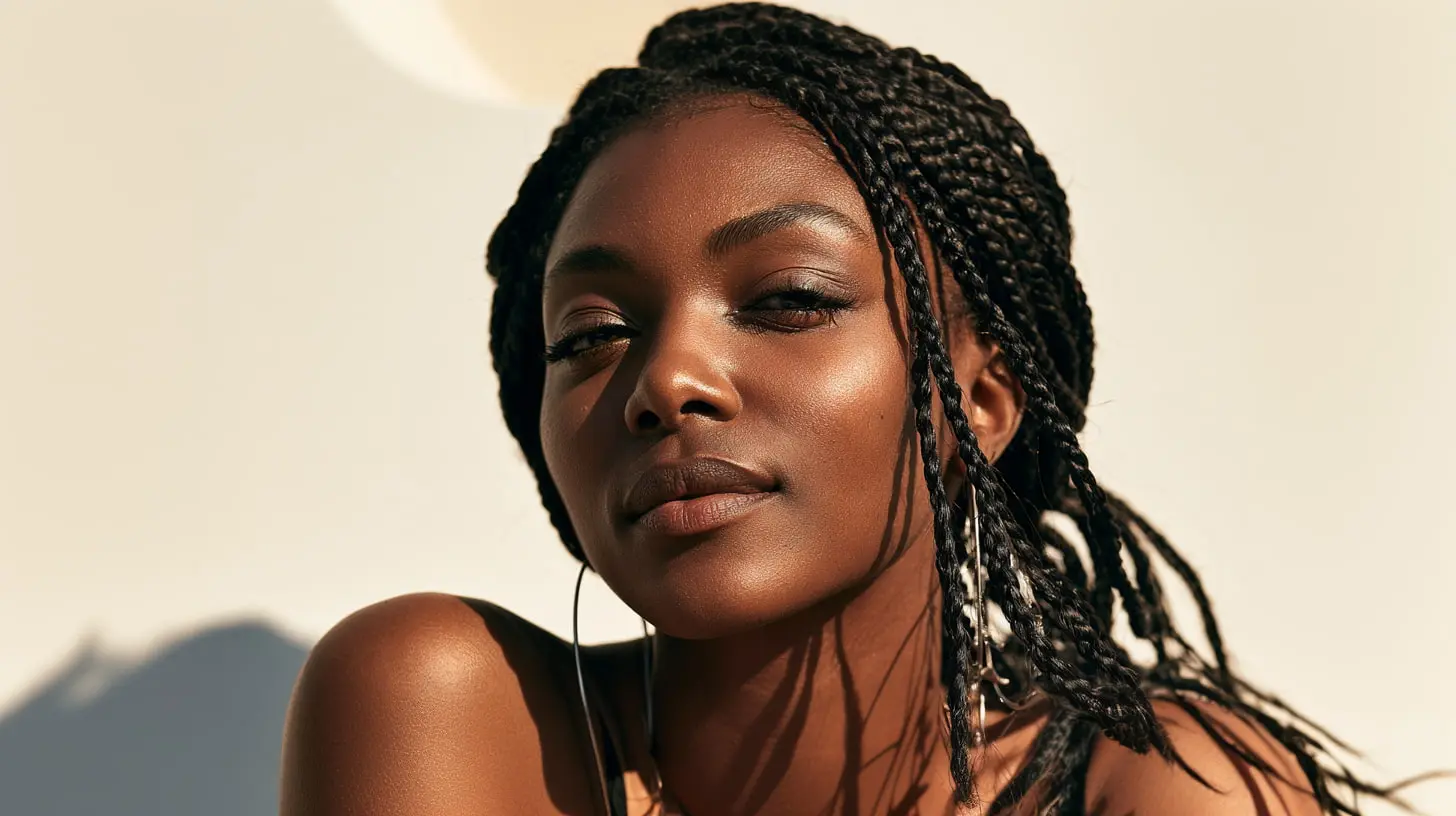
Fulani hairstyles bring together detailed cornrow patterns, face-framing braids, beautiful accessories, and the natural character of textured hair. Rooted in the hairstyling traditions of the Fulani people of West Africa, these looks carry cultural meaning as well as visual beauty. Modern interpretations often feature a central braid or part, cornrows directed toward the sides, and slim braids near the temples.
For 2026, the most wearable updates focus on natural texture, comfortable installation, clean parting, and personalized details. Current protective-style coverage highlights feed-in techniques and versatile Fulani patterns, while soft curls, beads, bobs, and half-up shapes offer fresh ways to adapt the look.
Before selecting a look, remember that braiding should never feel painfully tight. A skilled braider can preserve the distinctive pattern while reducing unnecessary tension around the hairline. Here are 15 natural Fulani hairstyle ideas to inspire your next appointment.
1. Classic Fulani Braids With Wooden Beads

Hover on images and discover how pinning can transform your collection of favorites!
Begin with a timeless arrangement of a central cornrow, neatly patterned side braids, and two slim braids positioned near the temples. Wooden beads add warmth without overwhelming the design. Choose a mixture of natural brown, black, and honey tones for an earthy finish.
2. Beadless Natural Fulani Braids

Hover on images and discover how pinning can transform your collection of favorites!
Fulani braids do not need accessories to make an impact. A beadless version places complete attention on the parting, symmetry, and healthy finish of the hair. This understated look is ideal for work, school, or anyone who prefers minimal styling. Ask for slender face-framing braids and a neat central feature.
3. Short Fulani Braided Bob

Hover on images and discover how pinning can transform your collection of favorites!
A braided bob offers the beauty of Fulani detailing in a shorter, lighter silhouette. Cornrows across the crown can transition into slim braids that stop between the jaw and shoulders. The ends may be sealed neatly or decorated with a few lightweight beads. This length frames the face, feels easy to manage, and prevents the finished style from becoming excessively heavy.
4. Fulani Braids With Natural Curls

Hover on images and discover how pinning can transform your collection of favorites!
Combine structured cornrows at the front with loose natural curls through the back. The contrast allows the braid pattern to stand out while celebrating the volume and movement of textured hair. Define the unbraided section with leave-in conditioner and curl gel, then refresh it gently as needed.
5. Boho Fulani Braids

Hover on images and discover how pinning can transform your collection of favorites!
Boho Fulani braids soften precise cornrows with carefully placed curly pieces throughout the hanging braids. The result feels romantic, airy, and full of movement. Current braid coverage continues to highlight loose curl blends as a popular update to traditional braided foundations. Keep the free curls limited and evenly distributed so they complement rather than hide the pattern.
6. Knotless Fulani Braids

Hover on images and discover how pinning can transform your collection of favorites!
A knotless finish creates a smoother transition where individual braids leave the scalp. Hair is gradually added instead of forming a bulky knot at the root, producing a lighter and more natural-looking result. The Fulani identity comes from the central detailing, side cornrows, and temple braids.
7. Side-Parted Fulani Braids

Hover on images and discover how pinning can transform your collection of favorites!
Replace the traditional center emphasis with a deep side part for an asymmetrical update. Curved cornrows can follow the shape of the head, with a few braids sweeping across the forehead before joining the longer lengths. This arrangement creates movement and can be tailored to highlight your favorite profile.
8. Fulani Half-Up, Half-Down Style

Hover on images and discover how pinning can transform your collection of favorites!
A half-up style displays the cornrow pattern while keeping some length away from the face. Gather the upper braids into a small ponytail or loose bundle at the crown, then allow the remaining braids to fall naturally. Leave the signature temple braids free to frame the cheeks.
9. Fulani Braided High Ponytail

Hover on images and discover how pinning can transform your collection of favorites!
For a bold, lifted look, direct the cornrows toward a high ponytail. The upward placement reveals the braid pattern from every angle and works well for celebrations or warm weather. Use medium or small braids to keep the base flexible. The ponytail should feel secure but not painful; excessive weight and tightness can strain the edges.
10. Low Fulani Braided Bun

Hover on images and discover how pinning can transform your collection of favorites!
A low bun turns Fulani braids into an elegant, practical hairstyle. Patterned cornrows lead toward the nape, where the hanging braids are gathered into a smooth, rounded bun. Two slim front braids can remain loose for traditional face-framing detail. Secure the bun with covered pins rather than repeatedly twisting it too tightly.
11. Fulani Braids With Zigzag Parts

Hover on images and discover how pinning can transform your collection of favorites!
Zigzag parting introduces a graphic element without changing the basic Fulani structure. Use the angular design through one or two sections at the crown and balance it with simpler cornrows elsewhere. Clean, precise lines are essential, so bring a clear reference image to your braider.
12. Chunky Natural Fulani Braids

Hover on images and discover how pinning can transform your collection of favorites!
Larger cornrows and medium-thick hanging braids create a bolder look with fewer individual sections. Chunky Fulani braids can take less time to install than micro versions and make wooden beads or cuffs especially visible. The braider should still use an appropriate amount of hair in each section, since oversized extensions can create weight. Keep the length near the shoulders or upper back for a balanced finish.
13. Mini Fulani Braids

Hover on images and discover how pinning can transform your collection of favorites!
Mini Fulani braids deliver fine detail and plenty of styling flexibility. Small cornrows can form an intricate crown pattern before transitioning into slim, movable braids. Wear them down, tie them loosely, or tuck selected sections behind the ears. Because tiny parts hold less natural hair, the braids must remain lightweight. Installation and removal require patience, but the delicate finished texture is beautifully refined.
14. Fulani Braids With Cowrie Shell Accents

Hover on images and discover how pinning can transform your collection of favorites!
Cowrie shells add a meaningful, sculptural detail to a classic braid pattern. Rather than covering every braid, place a few shells near the temple braids or at different heights through the lengths. Thoughtful spacing allows each accent to be seen and keeps the style comfortable. Choose smooth, securely attached pieces that will not catch on clothing, and remove them carefully before taking down the braids.
15. Fulani Cornrows With an Afro Puff

Hover on images and discover how pinning can transform your collection of favorites!
This natural style combines braided structure with the fullness of an Afro puff. Cornrow the front and sides in a Fulani-inspired pattern, then gather the unbraided hair into a soft puff at the crown or back. Leave two narrow braids near the face, adding small beads if desired. Moisturize and detangle the loose section regularly, and secure the puff without pulling tightly around the perimeter.
Choosing the Right Fulani Style
Consider your natural hair length, density, scalp sensitivity, and daily routine before choosing a design. Shorter bobs, beadless braids, and natural curl combinations may feel lighter, while long micro braids require more installation time and maintenance. Show your braider several photographs and discuss which pattern can be adapted to your head shape without placing excessive tension on delicate areas.
Accessories should also match your comfort level. Wooden beads offer an earthy effect, shells create a cultural statement, and slim cuffs add shine. Use fewer decorations if your braids are already long or dense. The finished style should feel balanced when you turn your head and comfortable enough for sleeping.
How to Care for Fulani Braids
Begin with clean, conditioned, thoroughly detangled hair. During installation, speak up immediately if the braids feel painful, especially around the temples and edges. Protective styling only supports hair health when the technique respects the scalp and natural strands.
After installation, keep the scalp comfortable with a light, water-based moisturizer rather than heavy layers of oil. Wrap the braids with a satin or silk scarf at night and use a bonnet for extra coverage. This reduces friction, controls frizz, and helps preserve the parting, a step also recommended in Allure’s Fulani-braid guide.
Clean the scalp gently when needed and dry the braids thoroughly. Avoid wearing heavy high ponytails every day, and do not keep the style beyond the point when buildup, matting, discomfort, or excessive new growth appears. During takedown, remove accessories first, unravel each braid patiently, and detangle shed hair before shampooing.
Final Thoughts
The natural Fulani hairstyles defining 2026 balance heritage, artistry, texture, and personal comfort. From classic beaded patterns and short bobs to soft curls, knotless braids, buns, and Afro puffs, each option offers a different way to appreciate this distinctive West African braiding tradition.
Choose a design that celebrates your features while protecting your hair and scalp. With thoughtful installation, lightweight accessories, and consistent care, Fulani braids can remain both beautiful and comfortable throughout their wear.


