
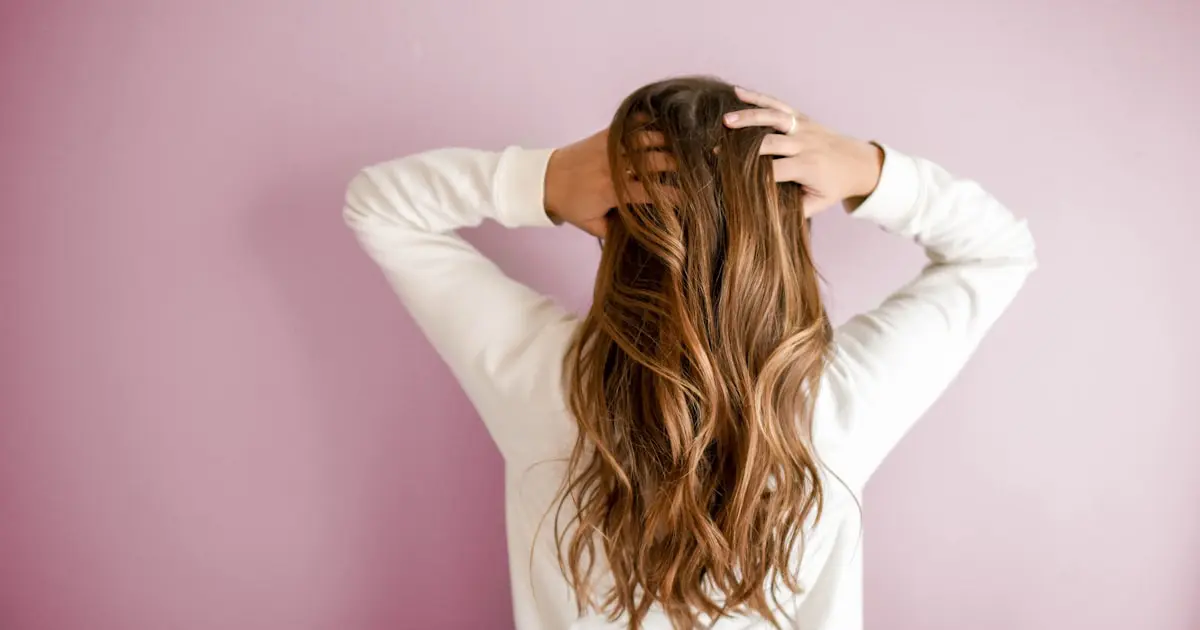
Your scalp is the foundation of healthy hair. Learn how the scalp-first approach is revolutionizing hair care in 2026 and how you can build a routine that transforms your hair from the root up.
Why Scalp Health Matters More Than You Think
For years, we’ve focused on the ends of our hair—conditioning, protecting, and styling—while ignoring where hair actually begins: the scalp. But here’s the truth: your scalp is skin, and just like the skin on your face, it needs proper care to function at its best.
Think of your scalp as the soil in a garden. No matter how much you water the leaves, if the soil is depleted, nothing will thrive. The same principle applies to your hair. A healthy scalp creates the optimal environment for strong, shiny, and fast-growing hair.
In 2026, the “scalp-first” approach has become the biggest movement in hair care—and for good reason. Search interest in scalp care products has surged over 500% in the past year alone.
Signs Your Scalp Needs Attention
Before diving into solutions, let’s identify the warning signs of an unhealthy scalp:
Common Scalp Issues
- Excessive oiliness – Greasy roots within hours of washing
- Persistent flaking – Dandruff that won’t quit despite regular shampooing
- Itching and irritation – Constant urge to scratch
- Redness or inflammation – Visible irritation or sensitivity
- Product buildup – Hair that feels coated or weighed down
- Slow hair growth – Hair that seems stuck at the same length
- Increased shedding – More hair in your brush than usual
- Thinning areas – Noticeable reduction in hair density
If you’re experiencing any of these symptoms, your scalp is calling for help.
Understanding Your Scalp’s Microbiome
Your scalp is home to trillions of microorganisms—bacteria, fungi, and other microbes—that form what scientists call the scalp microbiome. When this ecosystem is balanced, it protects against infections, regulates oil production, and supports healthy hair follicles.
However, harsh shampoos, over-washing, product buildup, and environmental stressors can disrupt this delicate balance, leading to:
- Dandruff and seborrheic dermatitis
- Folliculitis (infected hair follicles)
- Excessive oiliness or dryness
- Weakened hair growth
The key takeaway: Treat your scalp like you treat your skin. Gentle, microbiome-friendly products are the future of hair care.
Building Your Scalp-First Hair Care Routine
Step 1: Clarify and Detox (Weekly)
Product buildup, pollution, and hard water minerals accumulate on your scalp over time. A weekly clarifying treatment removes this buildup and resets your scalp.
How to do it:
- Use a clarifying shampoo or scalp scrub once a week
- Focus on massaging the product into your scalp, not your hair lengths
- Rinse thoroughly with lukewarm water
Pro tip: Look for exfoliating ingredients like salicylic acid, charcoal, or natural fruit enzymes.
Step 2: Cleanse Gently (2-3 Times Per Week)
Daily washing strips your scalp of natural oils, triggering overproduction. For most hair types, washing 2-3 times per week is ideal.
What to look for in a gentle shampoo:
- Sulfate-free formulas
- pH-balanced (between 4.5-5.5)
- Microbiome-friendly ingredients
- No harsh fragrances or drying alcohols
Cleansing technique matters:
- Wet hair thoroughly with warm (not hot) water
- Apply shampoo to your scalp only
- Use your fingertips (not nails) to massage in circular motions
- Let the suds rinse through your lengths—no need to scrub the ends
Step 3: Treat and Nourish (2-3 Times Per Week)
This is where targeted scalp treatments come in. Based on your specific concerns, choose treatments that address your needs:
For oily scalps:
- Tea tree oil treatments
- Niacinamide serums
- Clay-based masks
For dry, flaky scalps:
- Hyaluronic acid scalp serums
- Soothing oils (jojoba, argan)
- Prebiotic treatments
For thinning hair:
- Caffeine-infused serums
- Rosemary oil treatments
- Peptide scalp solutions
For sensitive scalps:
Step 4: Massage Daily (5 Minutes)
Scalp massage is the most underrated hair care habit. Just 5 minutes of daily scalp massage can:
- Increase blood circulation to hair follicles
- Reduce stress and tension
- Distribute natural oils
- Stimulate hair growth
How to massage your scalp:
- Use your fingertips, not your nails
- Apply gentle but firm pressure
- Move in small circular motions
- Cover your entire scalp—front, sides, crown, and nape
- Consider using a scalp massager tool for deeper stimulation
Step 5: Protect Your Scalp
Your scalp is exposed to the same environmental stressors as your face:
- UV rays – Yes, your scalp can get sunburned. Wear hats or use UV-protective hair products
- Pollution – Creates oxidative stress that damages follicles
- Heat styling – Protect your scalp when using hot tools
- Tight hairstyles – Can cause traction alopecia over time
The Best Ingredients for Scalp Health
When shopping for scalp care products, look for these powerhouse ingredients:
| Ingredient | Benefits |
|---|---|
| Salicylic Acid | Exfoliates, unclogs follicles, reduces flaking |
| Tea Tree Oil | Antimicrobial, soothes irritation |
| Niacinamide | Regulates oil, strengthens skin barrier |
| Rosemary Oil | Stimulates growth, comparable to minoxidil in studies |
| Caffeine | Stimulates follicles, extends hair growth phase |
| Hyaluronic Acid | Hydrates without heaviness |
| Zinc Pyrithione | Anti-fungal, fights dandruff |
| Peppermint Oil | Increases circulation, refreshing sensation |
| Prebiotics/Probiotics | Support healthy microbiome |
| Centella Asiatica | Calms inflammation, promotes healing |
Lifestyle Factors That Affect Your Scalp
Topical treatments are only part of the equation. Your daily habits significantly impact scalp health:
Nutrition
Your hair follicles need nutrients to function. Prioritize:
- Protein – Hair is made of keratin, a protein
- Iron – Deficiency is linked to hair loss
- Zinc – Essential for hair tissue growth and repair
- Omega-3 fatty acids – Nourish hair follicles
- Biotin – Supports keratin production
- Vitamin D – Low levels associated with alopecia
Stress Management
Chronic stress pushes hair follicles into the resting phase, leading to increased shedding. Stress-reduction techniques aren’t just good for your mental health—they’re essential for your hair:
- Meditation and breathwork
- Regular exercise
- Adequate sleep (7-9 hours)
- Setting boundaries
Hydration
Dehydration affects every cell in your body, including your scalp. Aim for at least 8 glasses of water daily.
Common Scalp Care Mistakes to Avoid
Even with good intentions, these habits can sabotage your scalp health:
- Over-washing – Strips natural oils and disrupts the microbiome
- Using hot water – Dries out the scalp and increases oil production
- Scratching with nails – Causes micro-tears and potential infection
- Skipping conditioner at the scalp – A common myth; lightweight conditioners can benefit the scalp
- Not rinsing thoroughly – Product residue leads to buildup and irritation
- Ignoring your scalp when it’s covered – Wigs, weaves, and protective styles still require scalp care
- Using too many products – Overloading causes buildup and sensitivity
When to See a Professional
While home care addresses most scalp concerns, some situations require professional attention:
- Persistent dandruff that doesn’t respond to treatment
- Sudden or patchy hair loss
- Painful or oozing sores
- Severe itching that disrupts daily life
- Noticeable changes in scalp appearance
A dermatologist or trichologist can diagnose underlying conditions and recommend prescription treatments if needed.
Your Scalp Health Action Plan
Ready to transform your scalp health? Here’s your starting point:
- Week 1: Assess your current routine and identify problem areas
- Week 2: Introduce a gentle, sulfate-free shampoo and start daily scalp massages
- Week 3: Add a weekly clarifying treatment
- Week 4: Incorporate a targeted treatment serum based on your concerns
Remember, consistency is key. Scalp health doesn’t transform overnight—give your new routine at least 4-6 weeks to show results.
The Bottom Line
Healthy hair truly does start at the scalp. By shifting your focus from the ends to the roots, you’re investing in the foundation of beautiful hair. The scalp-first approach isn’t just a trend—it’s a smarter, more effective way to achieve the healthy, vibrant hair you’ve always wanted.
Your scalp has been waiting for this attention. It’s time to give it the care it deserves.
What scalp concerns are you dealing with? Share in the comments below, and let’s talk solutions!