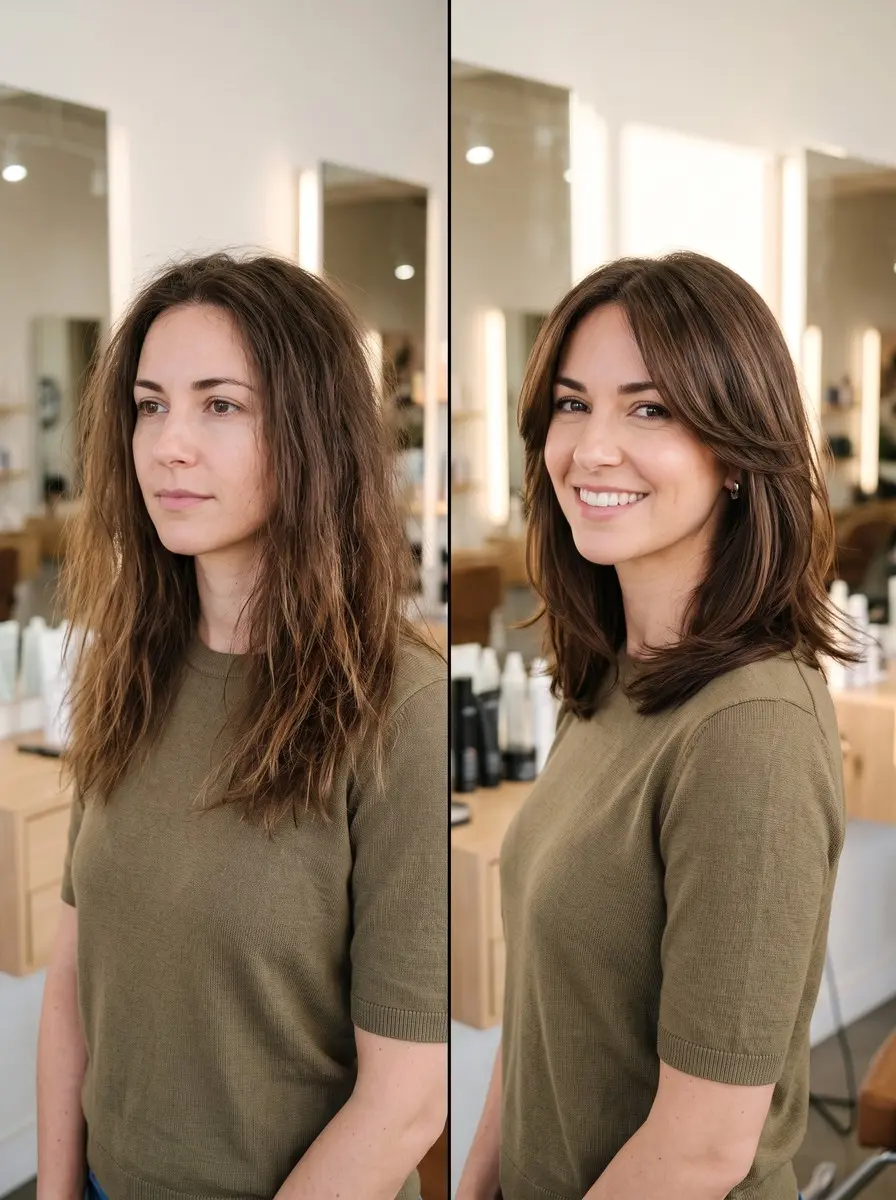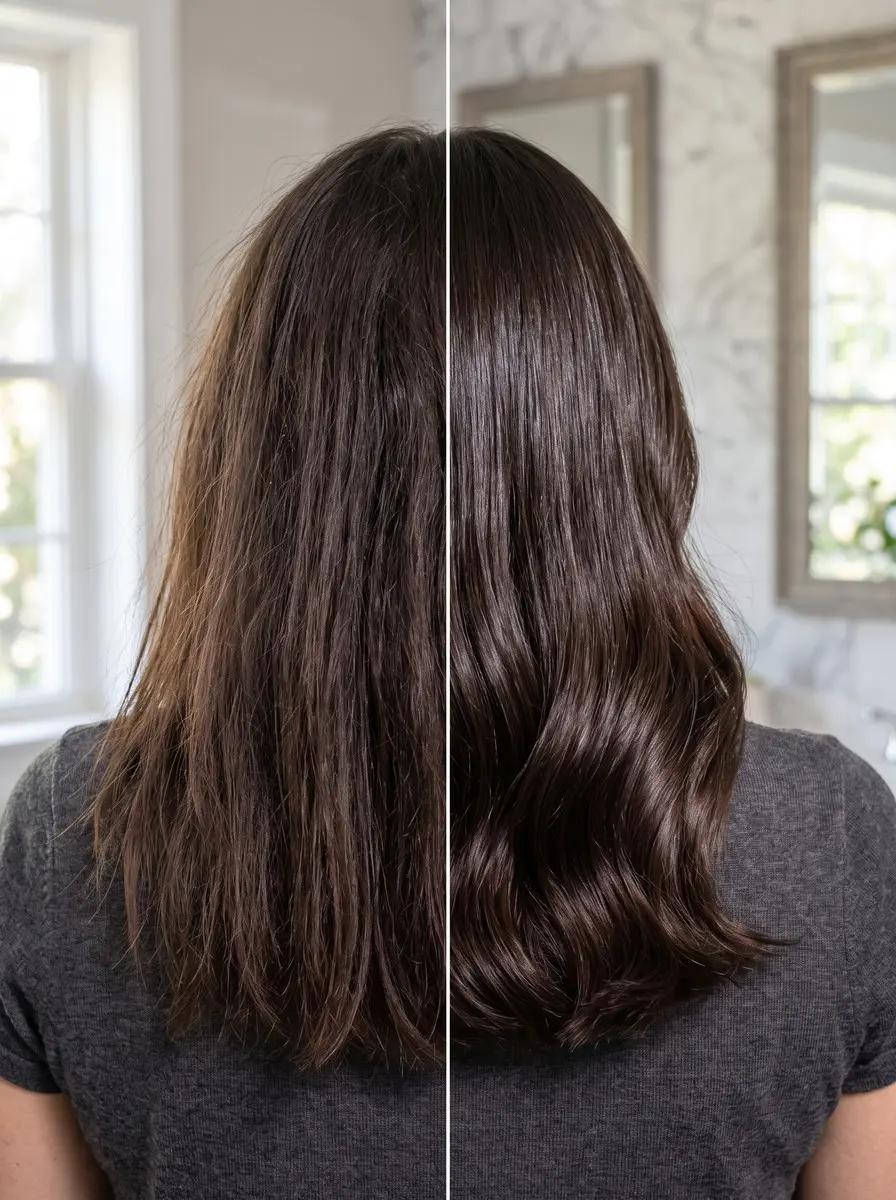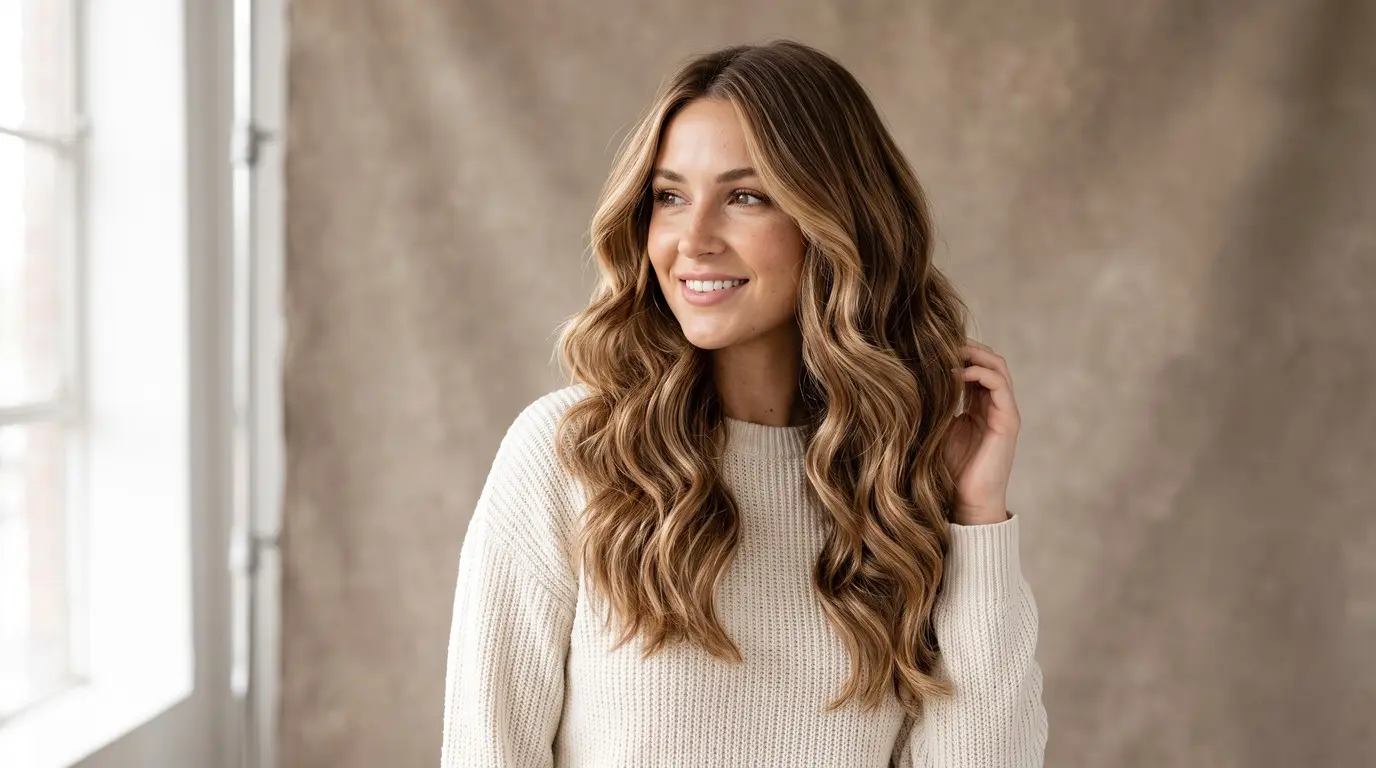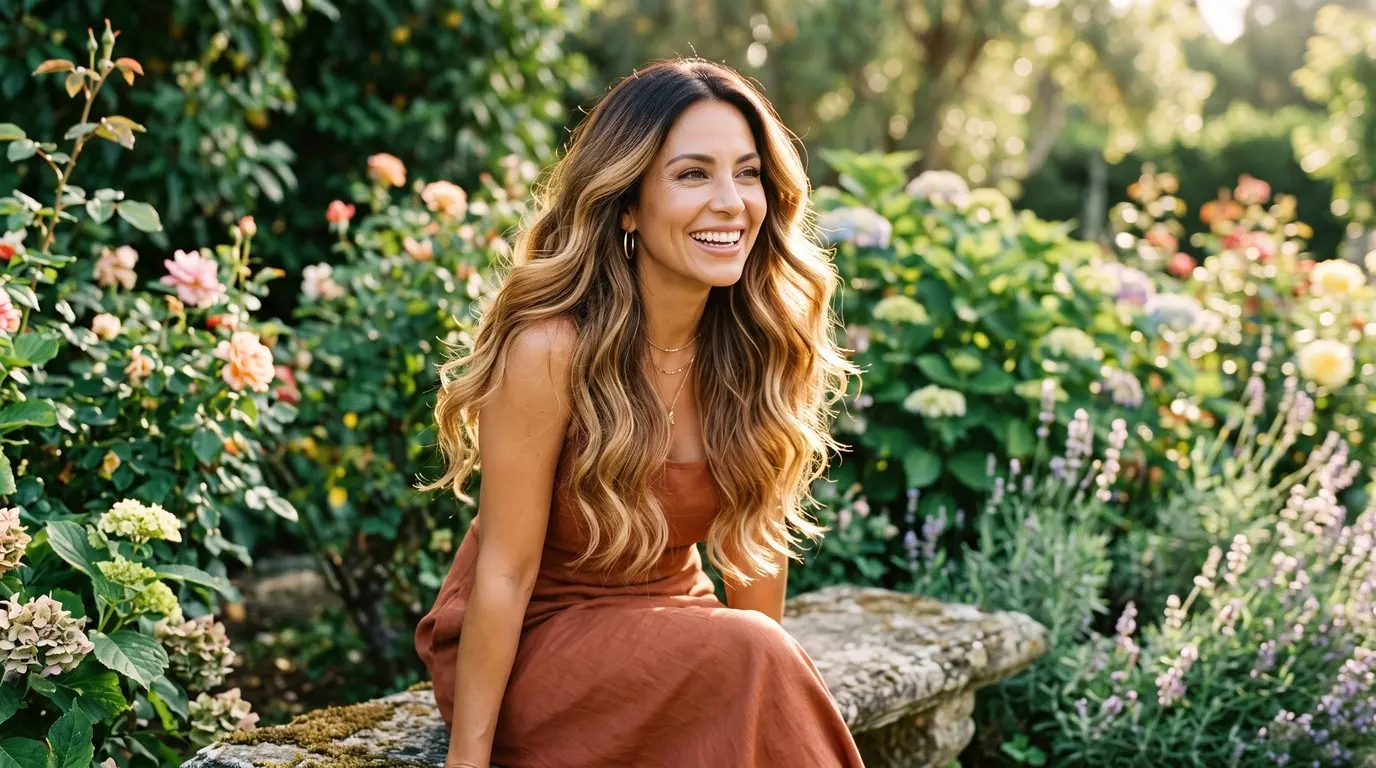
The most flattering ombre looks for women over 40 are low-contrast root melts and soft caramel or honey blends that grow out gracefully — bolder copper, burgundy, or platinum ombre works too if you want a statement change.
Ombre hair has quietly become one of the smartest color choices for women over 40, and the current take on it is softer than ever. Instead of the sharp two-tone stripe that defined ombre a decade ago, colorists are blending roots into ends with a gentle gradient that grows out without an obvious line — meaning fewer urgent salon trips and a color that still looks intentional months later. It also plays well with gray: a darker root melting into a lighter mid-shaft can disguise regrowth at the temples while you decide how much silver to embrace.
Below are 20 ways to wear it, from barely-there sombres perfect for a first color change to bold copper, burgundy, and platinum fashion ombres for anyone ready to make a statement. Whether your hair is straight, curly, fine, or thick, there’s a version here built around your texture — plus a couple of clever techniques, like peekaboo panels and reverse ombre, that give you the look without committing your whole head.
1. Cool Ash Root Melt to Icy Blonde

Hover on images and discover how pinning can transform your collection of favorites!
This root melt keeps a soft ash-brown base at the crown and blends it into a cooler, icy-toned blonde through the mid-shaft and ends, skipping warm gold tones almost entirely. It’s one of the lowest-maintenance ombre options because the root color already reads close to natural gray, so silver strands blend rather than stand out. Ask for a glaze rinse every few months to keep the blonde from turning brassy. It reads as one clean gradient on a blunt shoulder-length cut.
2. Chocolate-to-Honey Soft Glam Ombre

Hover on images and discover how pinning can transform your collection of favorites!
A rich chocolate-brown root fades gradually into a warm honey-blonde end, kept deliberately low-contrast so it reads as sun-warmed rather than two-toned. It’s built for anyone wanting a special-occasion glow without a drastic change, since the warmth brightens the face under event lighting. Loose curls set with a curling wand show off the gradient best. The soft transition also means fewer stark demarcation lines as it grows out.
3. Bold Copper Fashion Ombre

Hover on images and discover how pinning can transform your collection of favorites!
For anyone ready to move past neutral tones, this ombre takes a deep brunette base straight into a vivid, saturated copper — a genuine fashion-color statement rather than a subtle gradient. It reads as bold and current rather than ‘grown-out’ because the copper is deliberately vibrant, not a muted caramel. Bright copper fades fastest of the warm tones, so a color-depositing conditioner between visits keeps it saturated. Best suited to anyone comfortable maintaining a vivid tone rather than a low-upkeep one.
4. Silver Gray-Blending Ombre

Hover on images and discover how pinning can transform your collection of favorites!
Instead of fighting encroaching gray, this ombre uses it: natural dark roots stay untouched and a translucent silver-gray tone is blended through the mid-lengths and ends, so new gray growth extends the effect instead of standing out against it. It’s a favorite for women transitioning off regular root touch-ups altogether. A purple- or blue-toned shampoo used weekly keeps the silver from picking up a yellow cast. It works on any length but shows up most clearly past the shoulders.
5. Curly Balayage Ombre

Hover on images and discover how pinning can transform your collection of favorites!
Painted freehand rather than foiled, this balayage technique follows the natural bend of curly and coily hair so the lighter tone catches on the outer curls and stays deeper underneath — dimension a flat, straight-line ombre can’t achieve on textured hair. It’s a technique choice, not a fixed shade, so it works in anything from caramel to deep amber. Curl cream on damp hair helps define the pattern the color highlights, and diffusing on a low heat setting keeps curl shape intact while drying.
6. Caramel Peekaboo Money-Piece Ombre

Hover on images and discover how pinning can transform your collection of favorites!
Rather than coloring the whole head, this technique tucks a hidden panel of caramel ombre underneath the top layer of hair, invisible when hair is down and revealed only when tucked behind an ear or lifted by wind. It’s the most office-friendly option here since the color is essentially concealable on demand. Because so little hair is actually lightened, it grows out with almost no visible regrowth line. A half-up style is the easiest way to show it off deliberately.
7. Espresso-Toffee Lob

Hover on images and discover how pinning can transform your collection of favorites!
Cut to a chin-to-collarbone lob, this ombre keeps an espresso root and brings in a toffee-brown end with noticeably less lightening than a honey or caramel version, meaning less upkeep and less risk of dryness. The shorter length also means the whole gradient is visible in one glance rather than stretched over a foot of hair. It’s a practical pick for anyone wanting dimension without a major color commitment. A texturizing spray on the ends emphasizes the length’s movement.
8. Chestnut-to-Rose-Gold Fashion Ombre

Hover on images and discover how pinning can transform your collection of favorites!
A warm chestnut base transitions into a muted rose-gold end tone — pinkish without tipping into full fantasy-color territory — landing as a middle ground between natural and fashion color. It photographs especially well in warm outdoor light, since the pink undertone picks up golden-hour glow. Rose-gold fades toward pale pink over time, so many women let it fade intentionally rather than fighting to keep it vivid; a weekly gloss treatment slows that shift if a consistent tone matters more.
9. Dramatic Ash Brunette to Platinum Ombre

Hover on images and discover how pinning can transform your collection of favorites!
The highest-contrast option here: a cool ash-brunette root gives way abruptly to near-platinum ends, creating a graphic, editorial look rather than a soft gradient. It demands the most upkeep of any style on this list, since platinum ends need regular toning to stay bright instead of turning brassy. It suits anyone who wants ombre to read as an obvious style choice rather than a low-key shift. A bond-building treatment used at home reduces breakage from the lightening process, though it won’t reverse it.
10. Honey Blonde Sombre

Hover on images and discover how pinning can transform your collection of favorites!
A ‘sombre’ (soft ombre) blurs the root-to-end transition so thoroughly there’s no visible line at all — just a gradual warming from a natural brown root into honey-blonde ends. It’s the gentlest entry point for anyone who has never colored their hair and is nervous about a dramatic result. Because the contrast is so low, it also grows out the most gracefully of any style here. Beach waves, air-dried or scrunched with a sea-salt spray, show the tonal shift best.
11. Burgundy-to-Violet Jewel-Tone Ombre

Hover on images and discover how pinning can transform your collection of favorites!
A deep burgundy root cools into a violet end tone, giving the look a jewel-toned richness that reads as fashion-forward rather than natural. It works especially well on dark brunette bases, since the burgundy blends into existing depth before shifting into violet. Violet neutralizes yellow undertones, which is one reason this combination stays true to its cool jewel tone instead of drifting brassy the way an untoned red often does. A color-safe purple shampoo used sparingly helps maintain that violet cast.
12. Golden Bronde Ombre

Hover on images and discover how pinning can transform your collection of favorites!
Bronde — a deliberate blend of brown and blonde — sits between the two, and this ombre eases into it gradually from a natural brunette root into a golden bronde end. It’s aimed at anyone who wants to test blonde without going fully blonde, since the root stays close to natural and only the ends carry the lighter tone. Because bronde involves less lightening than a full honey or platinum ombre, it also causes less dryness at the ends. Waves set with a large-barrel curling iron let the two tones catch light differently.
13. Jet Black to Caramel Ombre

Hover on images and discover how pinning can transform your collection of favorites!
Starting from a deep jet-black root gives this ombre the strongest possible contrast against a caramel end tone, since black is the darkest base any ombre can start from. It suits anyone with naturally very dark hair who wants dimension without lightening the whole head, because the black root needs no color processing at all. The caramel ends need periodic gloss refreshes to stay warm rather than fading toward a dull tan. A deep-conditioning mask keeps the lightened ends glossy against the untouched black root.
14. Reverse Ombre: Light Roots to Deep Ends

Hover on images and discover how pinning can transform your collection of favorites!
This technique flips the usual direction: a lighter blonde or beige root gradually deepens into a richer brown or espresso through the ends, the opposite of a typical ombre. It’s practical for anyone growing out an all-over blonde who doesn’t want stark dark regrowth, since the root color stays light and the deepening happens further down the hair. It also gives thinner ends more visual weight, since darker tones can make hair look denser than it is. A root gloss gets requested every few months to keep that lighter base fresh.
15. Mocha Cream Ombre for Fine Hair

Hover on images and discover how pinning can transform your collection of favorites!
Built specifically around fine, lower-density hair, this ombre keeps the color transition higher up — starting the mocha-to-cream shift around the mid-shaft rather than lower down — so the lighter ends visually add fullness where fine hair often looks thinnest. A lightweight mousse applied at the root before blow-drying adds lift without weighing down finer strands. Because fine hair processes color faster and can look damaged sooner, colorists typically use a gentler, lower-volume lightener for this shift.
16. Chocolate Cherry Ombre

Hover on images and discover how pinning can transform your collection of favorites!
A deep chocolate-brown root shifts into a rich cherry-red end tone, giving warmth without moving into copper or orange territory. It’s a fashion-color option that still reads as brunette overall, since only the last few inches carry the cherry tone. Red fades fastest of any hair-color family, so a color-depositing gloss every 4-6 weeks keeps the cherry vivid rather than washed out. It pairs particularly well with a blunt cut, where the color block reads as a clean statement rather than a blend.
17. Sun-Kissed Babylights Gray Blend

Hover on images and discover how pinning can transform your collection of favorites!
Babylights — very fine, subtle highlights — are placed throughout a natural brown base and concentrated toward the ends to mimic hair naturally lightened by the sun, while giving emerging gray strands something finer to blend into than a solid root color would. It’s a gradual, low-maintenance way to soften a gray transition without a hard line at the part. Because the highlights are so fine, regrowth is far less noticeable than with a bold ombre. A gloss toner every 8-10 weeks keeps the blend from turning brassy.
18. Graphic Dip-Dye Ombre on a Pixie Crop

Hover on images and discover how pinning can transform your collection of favorites!
On a short pixie or cropped cut, there isn’t much length to work with, so this ombre uses a graphic dip-dye technique instead of a gradual blend — a defined color block at the very tips, in a shade like bright caramel or copper against a dark base. It’s a technique built for short hair rather than a shrunk-down long-hair ombre. Because so little hair is actually colored, upkeep is minimal and the natural root shows through almost immediately, which is part of the graphic effect. A matte texture paste keeps the cropped ends piecey enough to show the color block.
19. Champagne Blonde Soft Ombre

Hover on images and discover how pinning can transform your collection of favorites!
A pale, champagne-toned blonde takes over gradually from a soft beige-brown root, staying warm rather than ashy so it flatters under both daylight and the warm indoor lighting typical of evening events. It’s a popular choice for weddings and special occasions because the champagne tone photographs brightly without looking as stark as platinum. Loose curls set with a 1-inch curling wand let the gradient show in every ringlet. A weekly hydrating mask keeps the lightened ends soft enough to hold a curl.
20. Teal-Black Editorial Fashion Ombre

Hover on images and discover how pinning can transform your collection of favorites!
The boldest option here: a deep black root fades into a saturated teal-blue end tone, a full fashion-color statement meant for editorial photos or a dramatic personal reset rather than everyday low-key wear. Teal holds up well against brassiness because blue-green tones sit opposite red-orange on the color wheel, part of why it reads clean and vivid rather than muddy. It requires the most upkeep of any style on this list, including a color-safe, sulfate-free shampoo to slow fading. Best suited to anyone who wants hair color to be the main statement, not a subtle accent.
You Might Also Like
- gray blending techniques for dark hair
- embracing gray hair at any length
- caramel highlights for thin hair
- bob cuts for round faces
- gray hair color ideas for older women
Ombre gives you room to move: start subtle with a sombre or peekaboo panel, then go bolder later once you know how much upkeep suits your schedule. The lower the contrast between root and end shade, the longer you can go between salon visits before the transition starts looking dated rather than deliberate — that’s the shape losing its crisp edge over time, not your hair growing any faster in between.
Whichever version you pick, ask your colorist to match the root shade to your natural regrowth color rather than a generic starting point. That single detail is what makes an ombre look like an intentional gradient for months, instead of a color that visibly needs a touch-up the moment new growth appears.
Frequently Asked Questions
Is ombre hair a good choice for women over 40?
Yes — ombre is popular over 40 because it softens regrowth lines and can be customized to blend gray at the root while keeping brightness through the mid-lengths and ends. There's no age limit on any ombre style; the real question is how much contrast and maintenance you want, not whether the technique suits a certain age.
How often do I need touch-ups with ombre hair?
Low-contrast ombre and sombre styles typically need a salon visit every 3-4 months, while high-contrast looks like platinum or fashion-color ombre benefit from a toner refresh every 6-8 weeks to stop the end shade fading or turning brassy. Hair grows at a fixed rate of about half an inch a month regardless of style — what changes is how quickly the transition loses its crisp shape.
What ombre placement works best for my face shape?
Many stylists start the color transition around or just below the cheekbone to draw the eye toward the center of the face, and place it higher near the hairline for more overall brightness. Face-shape guidelines are a helpful starting point rather than a strict formula, so it's worth discussing your specific length and part with your colorist before committing.
Will curling or flat-ironing my ombre hair damage the color?
Heat itself doesn't fade ombre color, but skipping a heat protectant will dry it out and dull the tone faster. Keep flat irons and curling wands at or below about 300°F (150°C) for fine or lightened hair, up to 390°F (200°C) for coarser hair, and only run an iron over fully dry hair — styling wet hair with an iron is what actually causes damage.
Is ombre hair still trending, or is it outdated?
Ombre isn't dated — it's evolved. The stark, two-tone version from the early 2010s has been replaced by softer root melts, sombres, and money-piece placements that look natural rather than 'grown-out,' which is exactly why it keeps reappearing on trend lists instead of aging out like more graphic color techniques.