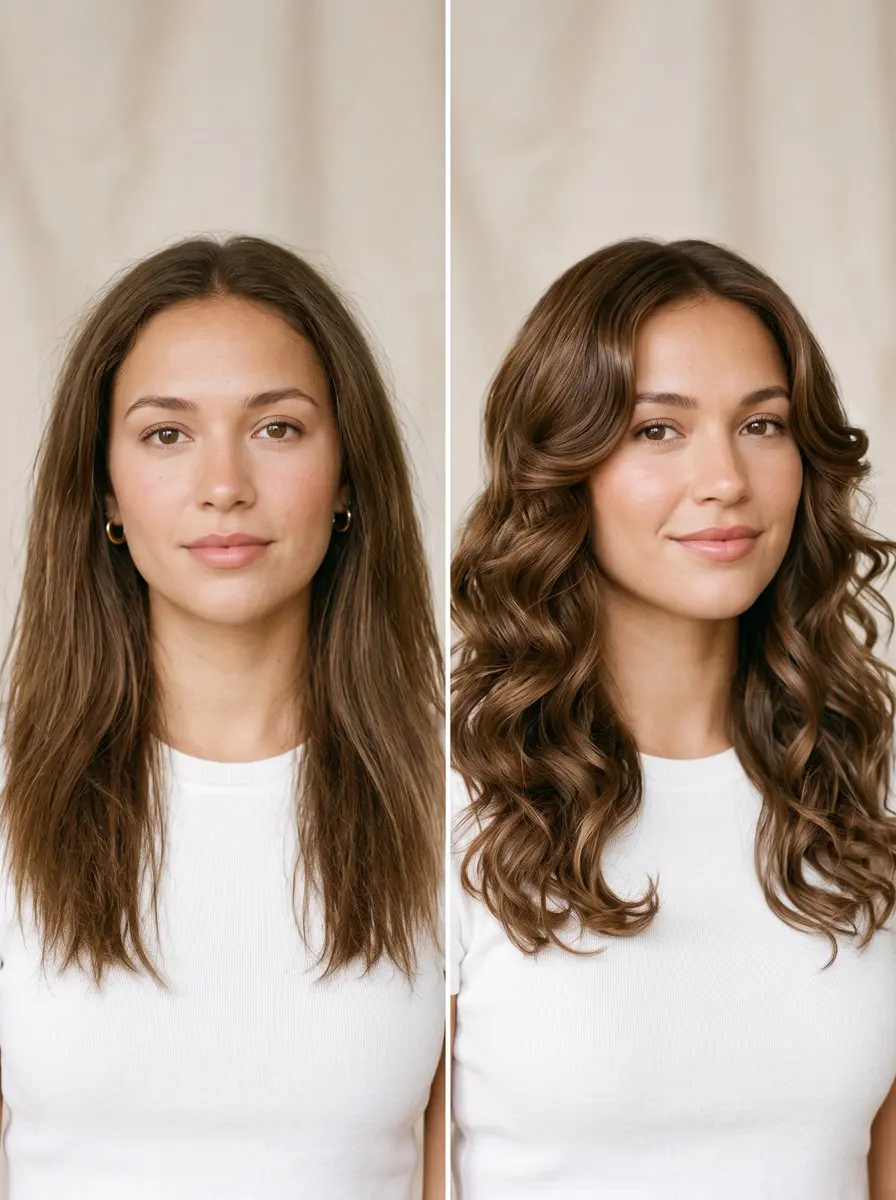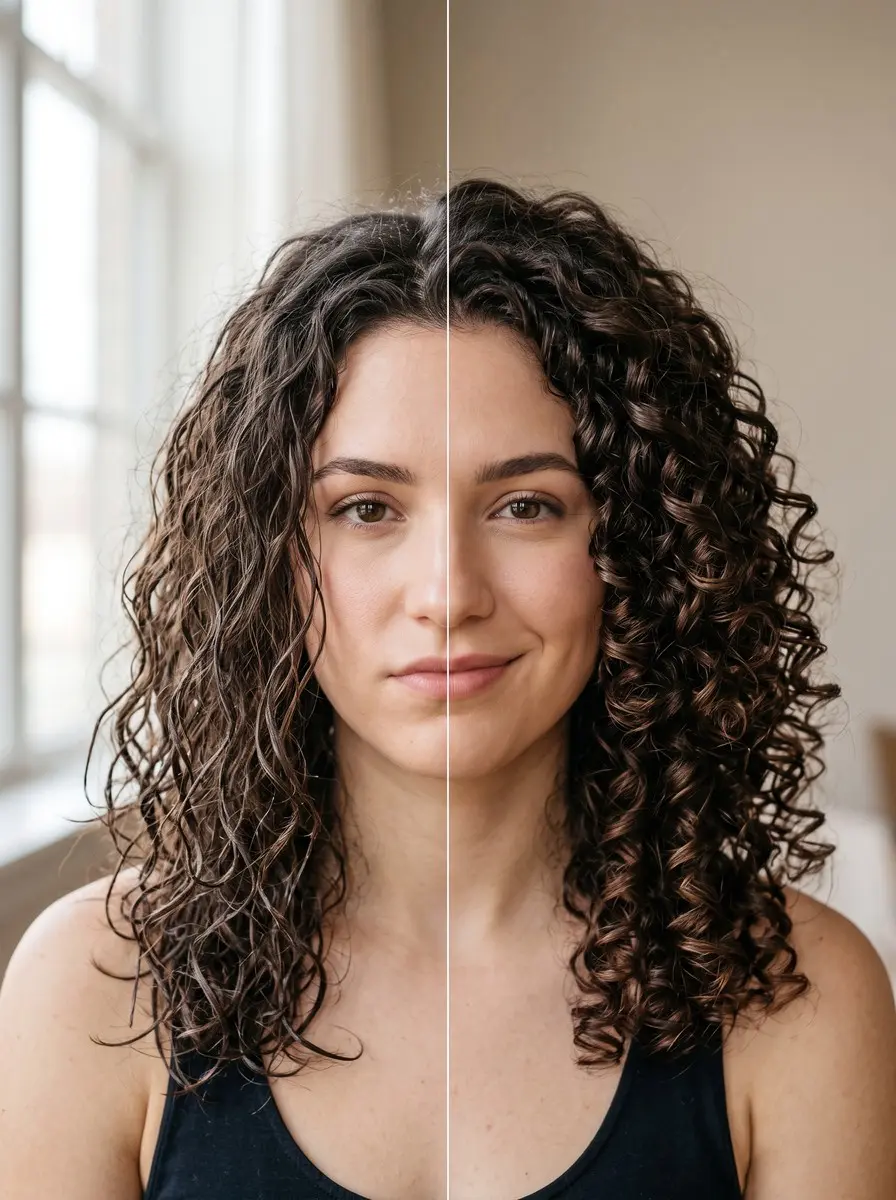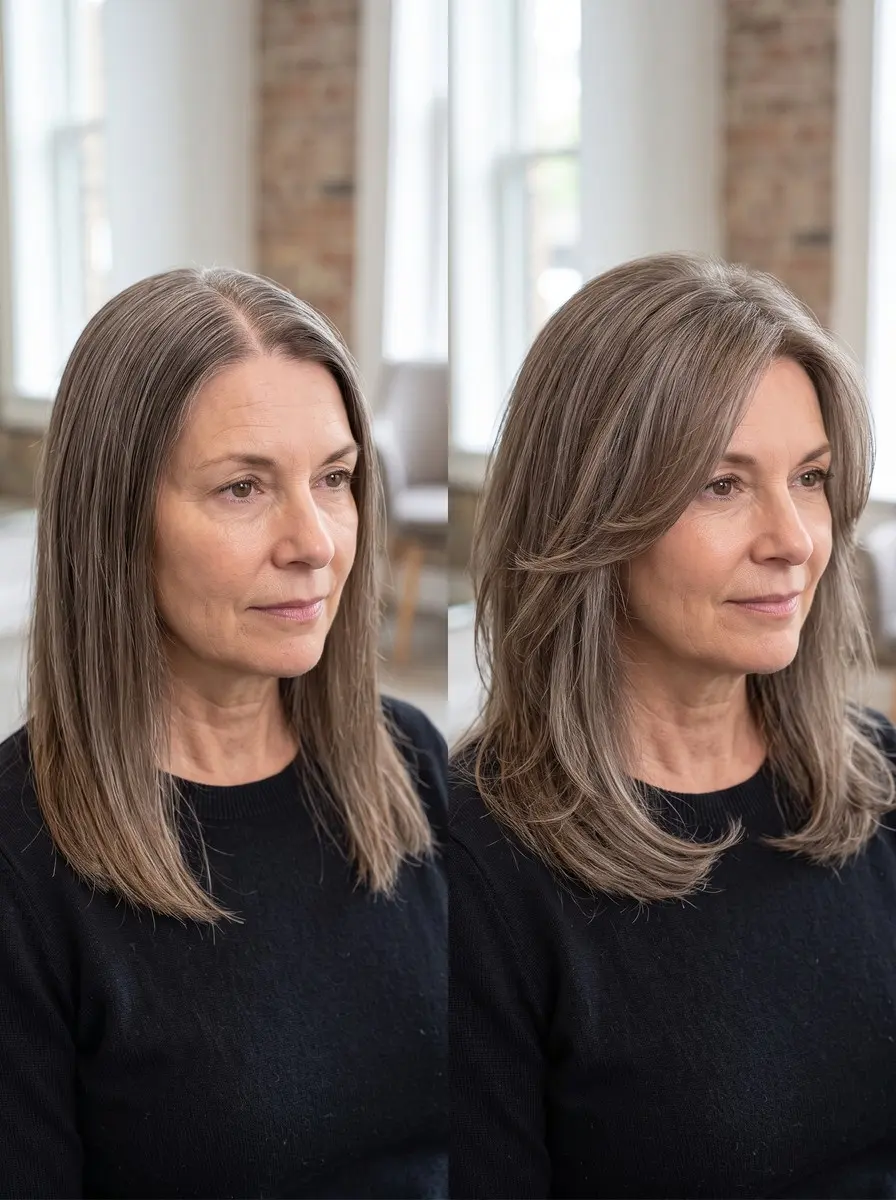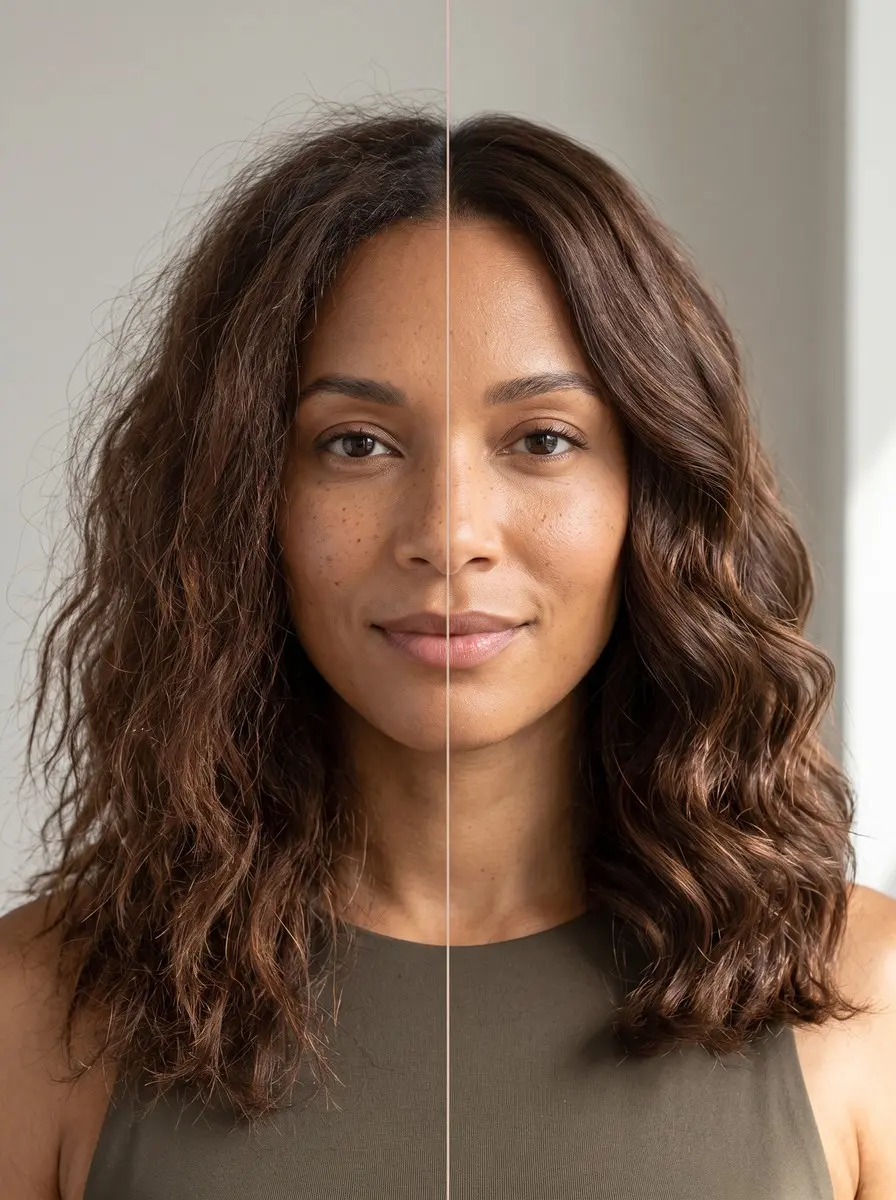
To build a high porosity hair routine, cleanse gently, condition every wash, use a 10-20 minute deep conditioning mask weekly, then layer a leave-in, a cream or gel and a light oil on very wet hair. Add protein only when hair feels weak or overly stretchy.
If your hair soaks up conditioner almost instantly, dries before you’ve left the bathroom and still feels rough by lunchtime, you’re likely dealing with high porosity. The outer cuticle layer has gaps or lifted areas, so water rushes in and escapes just as fast. You see it as frizz, tangles, dullness and ends that snap. Sometimes it’s simply how your hair grows. It can also follow bleach, color, frequent hot tools or long stretches of sun and chlorine.
The good news is that you can manage it at home. A high porosity routine is a sequence: gentle cleansing, a weekly mask, a leave-in, a cream or gel, then a light sealing oil. Add a feel test that tells you whether your hair wants protein or moisture. Expect softer, less frizzy hair within a few wash days. Damaged lengths stay porous until they’re trimmed or grow out, so the goal is managing it, not curing it.
What You’ll Need
- Mild hydrating shampoo (gentle, low-stripping cleanser) — Cleans the scalp on regular wash days without stripping oils from porous lengths that lose them quickly.
- Deep conditioning hair mask (moisture mask) — The weekly 10-20 minute treatment that softens and smooths the roughened surface of porous hair.
- Hydrolyzed protein treatment (protein hair mask) — For the weeks when the stretch test shows weak, mushy, overly stretchy strands that need temporary reinforcement.
- Leave-in conditioner (spray or cream) — The first layer on every wash, applied to very wet hair to hold onto the water porous hair loses fast.
- Lightweight sealing oil (argan, jojoba or grapeseed) — The thin final layer that slows water loss, adds shine and helps keep humidity frizz down.
As an Amazon Associate, HairAide earns from qualifying purchases. Some links above are affiliate links — they cost you nothing extra and help support free tutorials.
Step-by-Step
-
Map where your hair is most porous before you buy anything, because the cause decides what’s realistic. Mist a few dry sections at the roots, mid-lengths and ends with water: porous lengths darken and soak it up within seconds instead of letting it bead, and after a wash they dry noticeably faster than the rest. Then note which lengths have been bleached, colored or regularly heat-styled. If the whole strand behaves the same and has rarely been processed, the porosity is likely natural; if the roots are smooth and only the processed lengths drink water fast and feel rough and tangly, it’s damage-driven, and that porosity can’t be reversed, only managed until those lengths are gradually trimmed away. You’re done when you’ve written down which zones need the richest treatment, which is usually the mid-lengths and ends.
-
Wash with a mild, hydrating shampoo, massaging it into your scalp and letting the lather rinse down the lengths instead of scrubbing them together. Sulfates aren’t automatically the enemy, because the overall formula and how often you use it matter more. Still, a strong cleanser used every day strips oils faster than porous lengths can afford to lose them. Many people with high porosity hair do well washing every two to four days (curly and coily hair often less often), with a clarifying wash every few weeks if styling products build up, and you’re done when your scalp feels clean and your ends feel soft rather than squeaky.
-
Use a rinse-out conditioner every wash, concentrating it on the mid-lengths and ends, and detangle while it’s in with a wide-tooth comb or your fingers, starting at the ends and working up. Wet hair stretches more easily than dry hair and porous strands are already weaker, so the conditioner’s slip lets knots slide apart instead of stretching each strand until it snaps. Working from the ends up means you release small tangles first rather than dragging one big knot down the whole length. You’re done when the comb glides from root to tip without catching.
-
Before each weekly mask, test one shed strand from your comb or the shower wall while it’s still wet: hold both ends and stretch it gently. If it stretches a long way, feels mushy and doesn’t spring back, the hair needs strength, so choose a protein treatment, because hydrolyzed proteins cling to weak, damaged spots and temporarily reinforce them. If it barely stretches, feels stiff or straw-like and snaps quickly, choose a moisture mask, because more protein would only make it stiffer. There’s no fixed protein-to-moisture ratio and sources disagree on schedules, so treat ‘protein every two to four weeks’ for heavily bleached hair as a starting point and let the strand overrule it. A strand that stretches slightly and springs back is balanced, so stay with moisture, and you’re done when you’ve picked protein or moisture for this week’s mask.
-
Once a week, swap your regular conditioner for the treatment your strand test picked. Apply it to the mid-lengths and ends, the zones you noted in step one, with the heaviest coat on the very ends, which are the oldest and most worn part of each strand; detangle with it in as in step three, then cover with a shower cap for about 10-20 minutes. The longer contact time lets the mask’s conditioning ingredients spread over and soften the roughened surface more thoroughly than a two-minute rinse-out can, and the cap keeps the lengths from drying out while you wait. If you chose protein, follow it with a minute or two of your regular conditioner so the lengths don’t dry stiff. Rinse until hair feels slippery but not coated; if it dries limp or greasy, use less mask or rinse longer next time.
-
While your hair is still very wet, in the shower or within a minute of squeezing it, work in a leave-in conditioner, then a styling cream for softness or a gel for hold (or cream, then gel), and finish with two or three drops of a light oil such as grapeseed, argan or jojoba. Timing matters because porous hair loses water fast: by the time it’s towel-dry, much of the moisture you meant to keep has already evaporated. Order matters too: the water-based leave-in supplies the moisture, the cream adds softening emollients, the gel forms a flexible film that holds your shape and helps keep humid air from frizzing it, and the oil goes last as a thin layer that slows water loss and adds shine. You’re done when hair looks evenly glossy, not greasy, with any extra oil pressed only into the driest ends.
-
Squeeze out excess water and blot with a microfiber towel or an old cotton T-shirt instead of rubbing with a rough terry towel. Rubbing creates friction that roughens the already lifted surface and breaks up curl clumps, a major source of frizz on porous hair. Air drying is the gentlest option. If you need speed, use a diffuser or blow-dryer on low or medium heat and stop at about 80-90% dry so the hair finishes on its own. Don’t touch it while it dries; you’re done when it’s fully dry and set and you’ve gently scrunched out any gel cast for soft, defined hair.
-
Between washes, shield your lengths from the friction, chlorine and sun that make porosity worse, because preventing new damage gives bigger gains than any product. At night, sleep on a satin or silk pillowcase or in a satin-lined bonnet, with long hair in a loose braid or a high, loose pineapple, so the ends don’t rub against cotton for hours. Before swimming, wet your hair with clean water and coat it with leave-in or conditioner so it soaks up less chlorinated water, then rinse and condition straight after. On long sunny days, wear a hat or use a leave-in with UV filters. You’ll know it’s working when your ends look less fuzzy and tangle less from week to week.
-
Put it all together as a simple weekly rhythm and adjust for the weather. On wash day, cleanse, deep condition for 10-20 minutes (protein or moisture depending on your strand test), then apply leave-in, cream or gel, and oil. On a mid-week wash day, use regular conditioner with the same leave-in and styler. On the days between, refresh with a water mist, a little leave-in and a drop of oil on the ends. When it’s humid, switch to a firmer-hold gel and keep the oil layer, since porous hair pulls water from the air quickly and swells into frizz; in cold, dry air, use richer creams and a little more oil. The rhythm fits when your hair still feels soft on day three and frizz stays manageable without restyling.
Common Mistakes to Avoid
- Using a protein treatment every wash because the hair is ‘damaged’. Too much protein leaves porous hair stiff, straw-like and quicker to snap, so let the stretch test decide.
- Applying leave-in and stylers to towel-dried or half-dry hair, after most of the water you meant to keep has already evaporated.
- Rubbing hair with a terry towel or dragging a brush through dry knots from the root down. Both roughen the surface and break fragile ends.
- Using oil alone as a moisturizer. Oil slows the loss of water that’s already in the hair but adds none, so dry hair coated in oil stays dry underneath.
- Expecting a product to permanently repair porosity and skipping trims. Damaged ends stay porous and keep splitting until they’re cut off.
Pro Tip
Porosity is rarely even along a strand: never-colored roots can be perfectly normal while bleached ends are very porous, so keep the mask, protein and oil on the mid-lengths and ends and give your roots only a light leave-in so they don’t go limp or greasy. If your ends still feel dry by day two with leave-in, cream, then oil, try the LCO order (leave-in, oil, then cream) on those ends only, because neither order is the rule and the right one is whichever keeps your hair soft longer.
Frequently Asked Questions
Can you reverse high porosity hair?
Naturally high porosity hair doesn't need reversing, just a routine that holds moisture. Porosity caused by bleach, heat or sun damage can't be reversed: the gaps in the cuticle stay until that length is trimmed off, and new growth arrives at roughly half an inch a month. Masks, leave-ins and oils smooth and reinforce it temporarily, and protecting new growth stops the problem from spreading.
How often should high porosity hair get a protein treatment?
There's no fixed protein-to-moisture ratio, and experts disagree on strict schedules. Stretch a wet shed strand: if it stretches a long way and feels mushy, use protein; if it feels stiff and snaps quickly, skip protein and use a moisture mask. For heavily bleached hair, every two to four weeks is a common starting point to adjust from.
Can I use heat on high porosity hair?
Yes, occasionally. Apply a heat protectant first. Blow-dryers and diffusers go on damp hair at low or medium heat. Flat irons and curling irons or wands go on completely dry hair only, because wet hair under an iron is genuinely damaging. Keep irons at or below about 150°C/300°F for fine or bleached hair, or 180-200°C/355-390°F for coarse hair.
Are sulfate shampoos bad for high porosity hair?
Not automatically. What matters is the whole formula and how often you use it. A strong sulfate shampoo every day can strip oils that porous lengths lose quickly. A well-formulated one used every week or two to clear buildup, followed by conditioner, is usually fine. For regular washes, a mild, hydrating shampoo is the gentler default.
Why does high porosity hair get so frizzy in humidity?
Porous strands absorb water from humid air quickly and unevenly, so sections swell, lift and lose their shape. A gel's flexible film and a light oil finish help slow that uptake. On humid days, use a firmer-hold gel, don't touch your hair while it dries, and refresh with a little leave-in and oil rather than rewetting it completely.
You Might Also Like
- 20 curly butterfly haircut ideas to inspire your next cut
- 20 two-strand twist hairstyles for low-manipulation days
- how to balance protein vs moisture in your hair
- low porosity curly hair routine
- how to use heat protectant so it actually works
- how to air dry hair without frizz
- how to sleep with long hair without damage
After three or four wash days on this routine, porous hair should feel softer, tangle less and hold its shape longer. Make the weekly mask and the leave-in, cream-or-gel, oil sequence fixed habits, and let the stretch test decide each week whether the mask is protein or moisture.
Damaged lengths stay porous, so book a trim every 8-12 weeks to take off the most worn, split ends. No product mends a split end, and since hair grows about half an inch a month, cutting the damage away gradually is the realistic route. See a stylist sooner if wet hair feels gummy or stretches like elastic, breaks off in short pieces, or needs color correction. Those problems call for a professional plan.
Sources
- High porosity can be natural or caused by chemical processing, excess heat or environmental exposure. The cuticle likely has gaps or holes, so the hair is more vulnerable to damage. Strands that sink quickly in the float test suggest high porosity. ouidad.com
- The Mestiza Muse argues there is no fixed protein-moisture ratio to chase: reach for protein when hair feels weak or overly stretchy, and skip it when hair feels stiff. It adds that the damage behind high porosity usually can't be reversed, so preventing new damage gives the biggest gains. themestizamuse.com