Quick answer To choose developer volume, match it to what you want the color to do: 10 volume (3%) for deposit-only color or going darker, 20 volume (6%) for gray coverage and 1-2 levels of lift, and 30 volume (9%) only off the scalp. Leave 40 volume to professionals.
Every at-home color job starts with a choice most box-dye users never knew they were making: which developer goes in the bowl. Developer is hydrogen peroxide, and its volume (10, 20, 30 or 40) decides how much of your natural pigment the color is allowed to lift.
Pick one too weak and the gray stays put or the shade barely moves. Pick one too strong and you get brassy warmth, a stinging scalp, or hair that feels like straw.
The good news is that the decision follows a short, logical order: what you want the color to do, where your hair starts, and what it has already been through.
This guide takes you through each step and gives you a chart to check before you mix. It is also blunt about the volumes that don’t belong in a home bathroom at all, and about the tests that take five minutes and save a lot of grief.
Time 20 minutes to decide, plus a 48-hour patch testDifficulty BeginnerSteps 8
Developer Volume by Goal
| Volume | Peroxide | What it does | Use it for |
|---|---|---|---|
| 10 volume | 3% | Deposits only, no real lift | Demi-permanent, glosses, going darker |
| 20 volume | 6% | Lifts 1-2 levels | Gray coverage; on-scalp ceiling |
| 30 volume | 9% | Lifts up to ~3 levels | Off-scalp only: foils, freehand pieces |
| 40 volume | 12% | Most damaging | Professionals only, never on scalp |
What You’ll Need
As an Amazon Associate, HairAide earns from qualifying purchases. Product links in this guide are affiliate links: they cost you nothing extra and help keep these tutorials free.
- Madison Reed Radiant Hair Color Kit Pairs gray-covering permanent color with its own pre-measured developer, so the volume and ratio are already chosen for on-scalp use.
- ESalon custom hair color Custom-blended color ships with the developer picked for your formula, which takes the guesswork out if you’re nervous about choosing a volume.
- Cream developer in 10 and 20 volume These are the two volumes most at-home jobs need, and matching the brand of your tube keeps the manufacturer’s ratio and timing valid.
- Digital scale, mixing bowl and tint brush set Weighing developer and color to the exact ratio prevents the over-processing or patchy results that come from eyeballing.
- Bond-building treatment Reduces breakage between bleach sessions when you’re lifting in stages.
Step-by-Step
Step 1 Decide what the color must do
Before you look at a single bottle, decide which of four jobs this color has to do: deposit only (refresh, gloss or go darker), cover gray, lift one or two levels lighter, or lighten further with bleach. The job sets the developer volume.
Your current shade and the brand you like don’t, so this one decision narrows the choice to a single bottle. Write the goal down in one sentence, such as ‘cover gray at my natural level’ or ‘go one level lighter and warmer’. You’re done when that sentence makes clear whether you need any lift at all.
Step 2 Find your starting and target levels
Colorists measure lightness on a scale of 1 to 10, where 1 is black and 10 is the palest blonde. The number of levels between where you are and where you want to be is the lift you’re asking for.
Check your natural level at the roots in daylight by holding a dry section against a level chart or the brand’s shade swatches. Use the roots because lengths are often lighter from sun fading or past color.
Then count the gap to your target shade’s level: zero or darker means no lift, one to two levels is a modest lift, and three or more is a lightening project rather than a color refresh.
Step 3 Match the volume to the goal
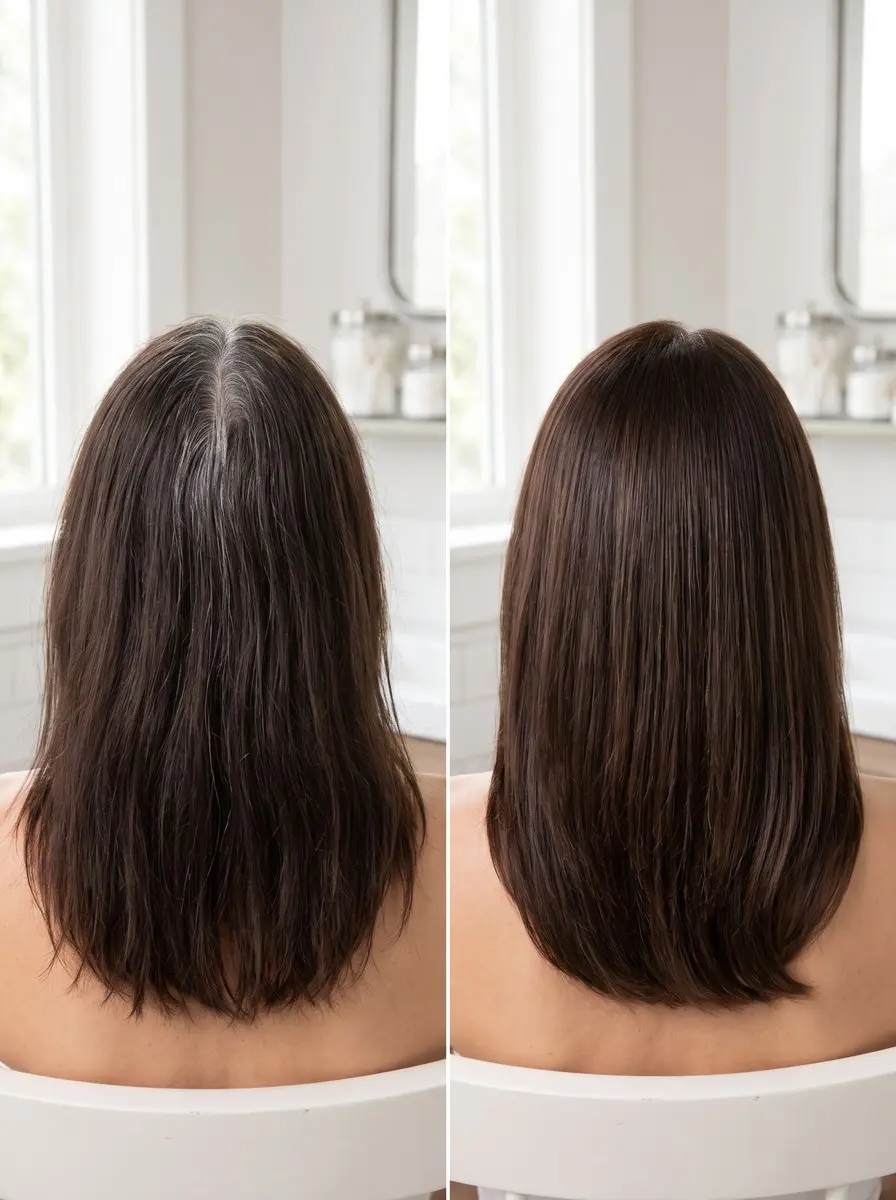
Now read your gap against the four standard strengths. 10 volume (3% hydrogen peroxide) is the gentlest and only deposits color, with no real lift, so it suits demi-permanent shades, glosses and going darker.
20 volume (6%) lifts one to two levels and is the standard partner for permanent color on gray. 30 volume (9%) lifts up to about three levels and belongs off the scalp, in foils or freehand pieces. 40 volume (12%) is the most damaging and stays with experienced professionals.
Developer is only the activator and gives no usable color change on its own, because the dye or bleach mixed into it does the actual coloring, so pick the lowest volume that reaches your goal and stop there.
Step 4 Keep the scalp at 20 volume
Anything that touches skin, whether a root retouch, all-over color or on-scalp bleach, should be mixed with 20 volume at most. That is the practical ceiling even if the hair itself could take more. Stronger peroxide on the scalp raises the risk of stinging, irritation and chemical burns, and roots near the warm scalp already process faster than the lengths.
Use 30 volume only on sections painted away from the skin, such as foils or freehand pieces that start a finger-width from the root. 40 volume is not an at-home or on-scalp product at all, whatever a tutorial promises.
Step 5 Skip strong developer for deposit-only color
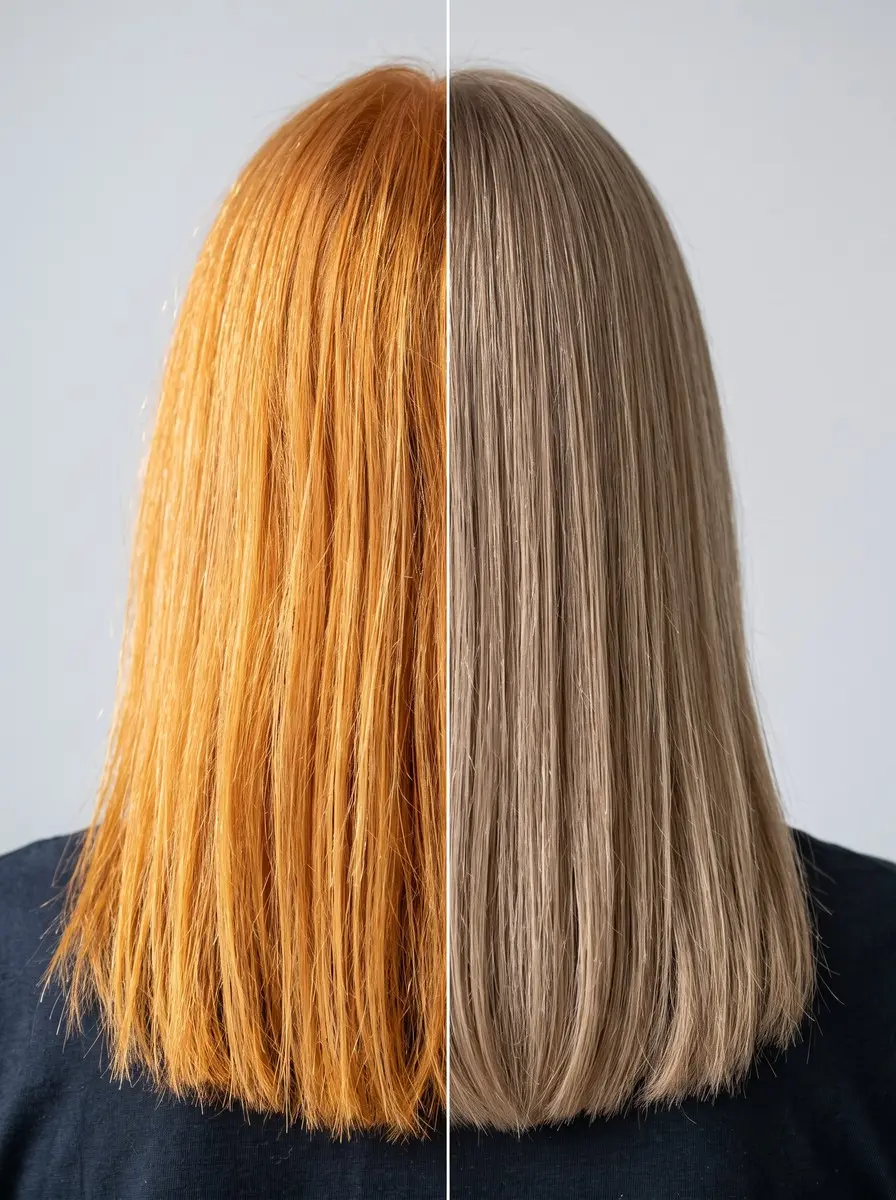
If you want to stay at your level, add shine or go darker, 30 or 40 volume adds nothing useful. Higher volume lifts natural pigment you never meant to remove, which exposes the warm red, orange or yellow underneath and leaves the result brassier than planned.
The extra oxidation also leaves hair drier and rougher for no gain. Demi-permanent lines and toners are formulated around one specific developer, usually a low volume such as 10 and sometimes 20 for certain toners, so use exactly what the manufacturer specifies.
You got it right if the shade comes out as planned and your hair feels the same as it did before you colored.
Step 6 Adjust for porosity and past color
The chart assumes healthy hair that has never been colored, so adjust for what yours has been through. Fine, porous or previously lightened hair absorbs and lifts faster, so stay at the low end of the range or shorten the time.
Thick, coarse hair that resists color does better with 20 volume and the full processing time than with a jump to 30.
Previously dyed lengths are a separate problem: permanent color won’t lift earlier color at any volume, so lightening box-dyed ends takes a color remover or bleach, often applied by a pro. If you’ve had a relaxer, a keratin treatment or recent bleach, do a strand test before you settle on anything.
Step 7 Lift in stages, not one jump
When the gap is more than about three levels, plan several gentler bleach sessions rather than one strong mix. Each round at 20 volume lifts a controlled amount and lets you check condition, tone and breakage before you go further.
A single 40 volume jump puts all of that damage into one sitting and gives you no chance to stop partway.
Going from jet black to platinum takes multiple sessions even for a professional colorist, so space yours out, keep your hair conditioned in between, and use a bond-building treatment to reduce breakage. You’re ready for the next round when wet hair stretches and springs back instead of feeling gummy or snapping.
Step 8 Patch test, strand test, then measure
Do a skin patch test 48 hours before every color application, even with a brand you’ve used before, because dye allergies can develop over time. Then strand test a hidden section with your chosen volume and the full processing time to confirm the lift, the tone and how the hair feels afterwards.
When you mix, measure developer and color to the manufacturer’s ratio with a scale or a marked bottle instead of eyeballing it. The ratio is commonly 1:1 for permanent color and 1:2 for many lighteners. Follow the stated timing too: too much developer over-processes hair, leaving it dull, dry and brittle, while too little gives patchy, uneven color.
Common Mistakes to Avoid
- Reaching for 40 volume to finish a big lightening job in one sitting. It puts all the damage into one session and is not safe on the scalp.
- Mixing 30 volume into a demi-permanent gloss or toner, which lifts your natural pigment and turns the result brassy.
- Expecting any developer to lighten box-dyed lengths. Color doesn’t lift color, whatever the volume.
- Eyeballing the ratio or swapping in another brand’s developer, which throws off the timing the color was formulated for.
- Skipping the 48-hour patch test because you’ve used the same brand before.
Pro tip When you’re lightening hair that has never been colored, apply to the mid-lengths and ends first and the root inch last. Roots near the scalp process faster, and this order prevents the bright-roots, darker-ends band salons call ‘hot roots’.
The Bottom Line
Choosing developer volume comes down to a short checklist: the job you want the color to do, the number of levels between your start and your target, the 20-volume ceiling on your scalp, and what your hair has already been through. Get those right and test first. The lowest volume that reaches your goal will almost always give a cleaner, healthier result than a stronger shortcut.
For upkeep, retouch only the new growth, using the same volume as before. Hair grows about half an inch a month, so the line shows within a few weeks. Avoid overlapping onto lengths that are already colored. Book a colorist for anything beyond about three levels of lift, for removing box dye, or any time your scalp reacts.
Frequently Asked Questions
What developer volume should I use to cover gray hair?
Use 20 volume (6%) with a permanent color for full gray coverage. It gives the dye enough strength to take on resistant gray strands and hold the shade. 10 volume with a demi-permanent shade blends gray rather than fully covering it, which suits anyone who wants a softer, lower-commitment grow-out.
Can I use 30 or 40 volume developer on my scalp?
No. 20 volume is the practical ceiling for anything that touches the scalp, because stronger peroxide raises the risk of irritation and chemical burns. 30 volume is for off-scalp work such as foils, and 40 volume, the most damaging strength, is meant for experienced professionals rather than at-home or on-scalp use.
Does developer lighten hair on its own?
Not in any usable way. Developer is the hydrogen peroxide activator that makes dye or bleach work, and the color or lightener mixed into it does the actual change. That's why you always mix to the manufacturer's ratio: too much developer over-processes hair and leaves it dull and dry, and too little gives patchy color.
How many sessions does it take to go from black to platinum?
More than one, and usually several. Jet black to platinum is a big jump, so colorists lift in stages and check the hair's condition between rounds instead of forcing it with high-volume developer. If your hair is box-dyed dark, see a professional: the earlier color has to be removed first, and the risk of breakage rises with every round.
Do I have to use the same brand of developer as my hair color?
It's the safest choice. Color lines are formulated, timed and tested with their own developer, so the ratio and processing time in the instructions assume that pairing. Box kits and custom-color services already include the matched developer, which is why you never have to pick a volume when you use one.
Keep Reading
Sources
- What developer to use studio.salonory.com
- What is the bleach to developer ratio curlcentric.com
- How much 20 volume developer to mix with hair color cosmeticworld.ca