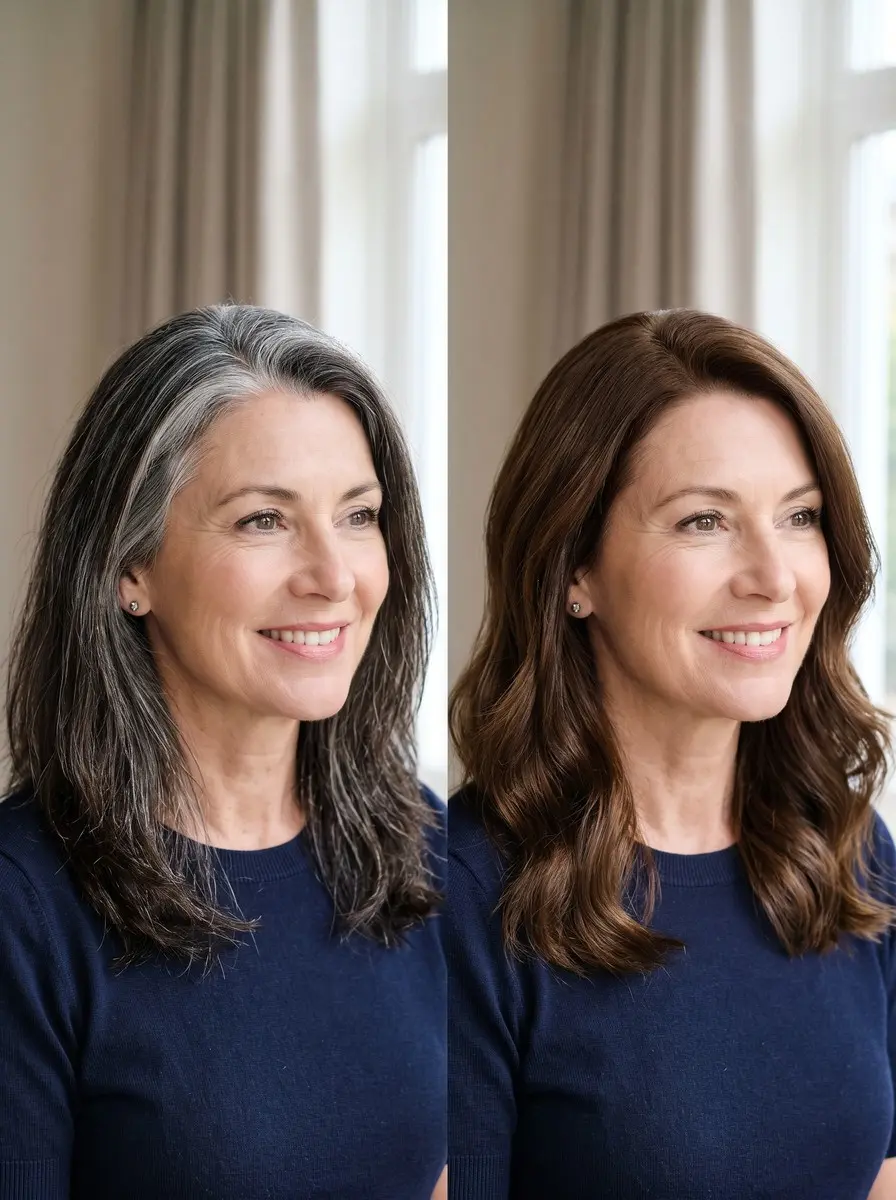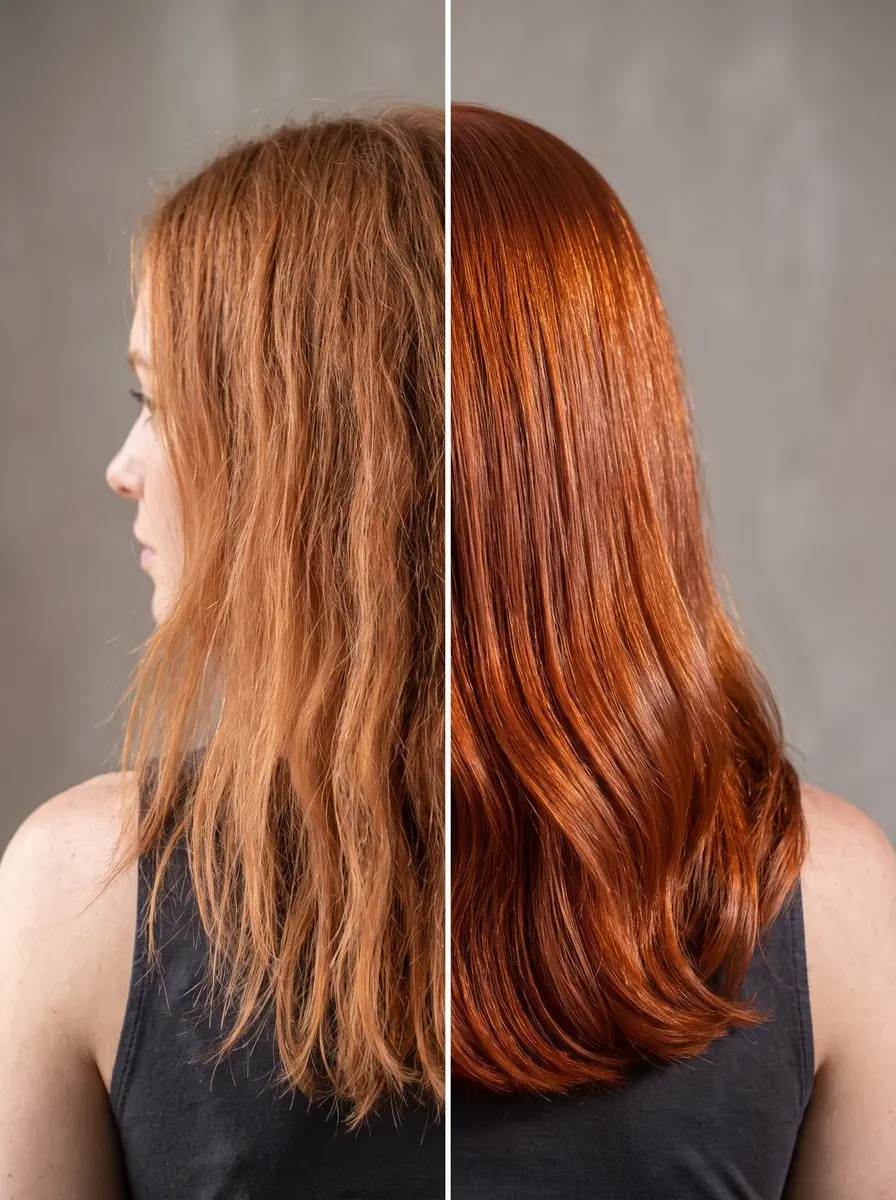
Quick answer To use a color depositing conditioner, shampoo without conditioner, towel-dry, and saturate damp hair section by section with gloves on. Leave it for the label time — often about 15 minutes, less on porous bleached lengths — then rinse and judge the color once dry.
Color fades on everyone. Blonde drifts toward yellow, red goes flat within a few washes, and a bright pastel slides into a washed-out version of itself long before you’re ready for another dye job. A color depositing conditioner is the gentlest fix there is: a conditioner with direct pigment mixed in, used in place of your regular one, that adds tone back without developer, ammonia or bleach.
The catch is that it behaves very differently from head to head. The same tube can look barely there on smooth, never-colored hair and startlingly bright on bleached ends, which is why timing matters as much as the shade you buy. Below, you’ll choose the right color, read your porosity, test first, keep pigment off your skin and grout, and time the application for an even result — all easily done at home.
Time 30-45 minutesDifficulty BeginnerSteps 8
Which Depositing Conditioner Shade to Use by Starting Hair Color
| Starting hair | Goal | Shade to choose |
|---|---|---|
| Yellow or brassy blonde | Cooler, brighter blonde | Violet |
| Gray or silver turning yellow | Crisp, clean silver | Violet |
| Orange-tinged lightened brown | Less brassy brunette | Blue |
| Faded red or copper | Brighter red | Red or copper |
| Dull, faded brunette | Richer brown | Brown close to your own |
| Pale lightened blonde | Pastel or vivid color | Any pastel or vivid |
| Medium blonde to light brown | Subtle fashion tint | Vivid, reads as a softer tint |
| Unlightened dark brown or black | A hint of color | Deep vivid, a sheen in sunlight |
What You’ll Need
As an Amazon Associate, HairAide earns from qualifying purchases. Product links in this guide are affiliate links: they cost you nothing extra and help keep these tutorials free.
- Color depositing conditioner The deposit-only pigment that refreshes or shifts your tone without developer, ammonia or bleach.
- Color reviving gloss A gentler alternative for refreshing a natural or salon shade between color appointments.
- Nitrile gloves Direct dye stains skin and nail beds within minutes, so gloves keep your hands clean through sectioning and application.
- Tint brush and sectioning clips Clips keep the four sections separate, and a brush lays even coverage at the roots where fingers miss.
- Barrier balm Coating the hairline, ears and nape stops pigment from staining skin around the edges.
Step-by-Step
Step 1 Match the shade to your starting color
Choose the shade by what is on your head right now, because a depositing conditioner only adds pigment over your existing color and never lightens it. To cancel brass, pick violet for yellow-toned blonde or yellowing gray and silver, and blue for orange-tinged lightened brown.
To refresh a faded shade, match its family: a red or copper conditioner for faded red, and a brown close to your own for dull brunette.
Pastels and vivids show true only on pale, lightened blonde; on medium blonde to light brown they read as a softer tint, and on unlightened dark brown or black a deep vivid shows as a sheen in sunlight at most.
Step 2 Read your hair’s porosity
Porosity is how readily your hair takes in and releases water and pigment, and it decides how quickly a depositing conditioner grabs. Your color history is the most reliable guide: bleached, lightened, heat-styled or sun-worn lengths are usually high porosity, while smooth, never-colored hair that takes a long time to get wet and to dry is usually low.
To confirm, mist a dry section — water that beads on the surface points to low porosity, while water that soaks in almost instantly points to high. Many heads have both, with porous ends and healthier roots, so note each zone, because each will need its own timing.
Step 3 Run a patch and strand test
Two days before, dab a little conditioner behind your ear or inside your elbow, then wait as long as the label directs before using it (48 hours is the usual window for color products), and skip the product entirely if you get itching, burning or redness.
For the strand test, coat a small section from the underside of your hair, where a mistake won’t show, and leave it on for the label time.
Rinse, let it dry completely and look at it in daylight. This shows the true payoff on your own starting color and porosity, and it is the moment to adjust the shade or timing before the conditioner goes anywhere visible.
Step 4 Protect your skin and bathroom
Before you start, smooth a barrier balm or petroleum jelly along your hairline, over the tops of your ears and down the nape, then put on nitrile gloves. A depositing conditioner is direct dye, and it stains almost anything porous it touches, including skin, nail beds, grout, pale towels and shower curtains.
Lay out an old dark towel and keep a damp cloth nearby to wipe splashes off tile and the tub right away, since pigment is much harder to remove once it dries. If a drip lands on your skin, micellar water or makeup remover usually lifts it while it is fresh.
Step 5 Wash and towel-dry first
Shampoo once and skip your usual conditioner, because leftover conditioner, oils, silicones and styling products sit on the hair and can keep pigment from depositing evenly. Squeeze the water out and blot with a towel until your hair is damp but not dripping — excess water dilutes the formula and makes it slide off, which is a common cause of patchy results.
Detangle with a wide-tooth comb now, so you can work the product through later without tugging. If your product’s label says to apply to dry hair instead, follow the label.
Step 6 Section and saturate evenly
Clip your damp hair into four sections — part down the middle, then from ear to ear — so you can see every strand you’re coating.
Working one section at a time, start where hair is most resistant, usually the roots and mid-lengths, using a tint brush near the scalp, and finish on the ends, which are often the most porous and grab pigment fastest. Use far more than you would of a regular conditioner and work it through with gloved fingers or a wide-tooth comb until no uncoated strands show when you lift a section.
Thin spots are what cause streaks, so saturation matters more than technique. When all four sections are done, twist your hair up loosely in a clip and start the timer.
Step 7 Time it to your porosity
Start with the time printed on your product, because formulas differ widely from brand to brand. oVertone, for example, suggests about 15 minutes as standard, adjusted to 15 to 20 minutes for low porosity, 10 to 15 for medium and 5 to 10 for high porosity, which grabs pigment fast and should be watched closely for over-deposit.
Other formulas are made to work faster — Moroccanoil’s color depositing mask is meant to sit for about 5 to 7 minutes, depending on how intense you want it.
Leaving a conditioner on longer won’t damage your hair, but it rarely improves payoff, so build a bigger change through repeat sessions rather than one marathon soak.
Step 8 Rinse and judge it dry
Rinse until the water runs mostly clear; a faint tint in the water is mostly excess pigment that had nothing to bind to, not your new color washing away. Blot with the dark towel and let your hair dry completely before you judge the result, because damp hair always looks deeper and more saturated than it will once dry.
Check it by a window rather than under bathroom lights. If it came out too strong, wash once or twice with a clarifying shampoo to pull out the excess; if it is too faint, repeat at your next wash, which builds color more evenly than one long session.
Common Mistakes to Avoid
- Applying it over regular conditioner or styling product, which blocks pigment and leaves patchy, streaky color.
- Giving porous, bleached ends the same time as healthier roots, so the ends come out darker or brighter than the rest.
- Expecting it to lighten hair, cover gray completely or fix banding — it only adds tone over what is already there.
- Judging the color while hair is still wet, then stripping or reapplying based on a shade that will dry lighter.
- Going to bed on damp, freshly colored hair, which transfers pigment onto pillowcases and sheets.
- Skipping gloves and barrier balm, then spending days with tinted hands and a stained hairline.
Pro tip If your ends are more porous than your roots, cut the conditioner roughly half and half with a plain white conditioner for the ends, or work it onto them only for the last few minutes. Porous lengths grab pigment so fast that equal timing almost always leaves them darker than the rest.
The Bottom Line
A color depositing conditioner works best as maintenance. It brings faded red, dull brunette or brassy blonde back between color appointments, and it lets you wear a pastel or vivid on lightened hair without another dye job. Repeat it whenever the tone starts to drift, keep your timing matched to your porosity, and strand-test any new shade before it touches your whole head.
See a colorist instead if you want to go lighter, need full gray coverage, or are dealing with banding, patchy box dye or a shade that has turned murky or green. Those problems need lightener or corrective color, and no amount of extra pigment in a conditioner will fix them.
Frequently Asked Questions
What is the difference between a color depositing conditioner and toner or hair dye?
A color depositing conditioner is a conditioner with direct pigment added, so it tints hair without developer and fades gradually with washing. Salon toner is usually a demi-permanent color mixed with developer for longer-lasting tone correction. Semi-permanent dye is a stronger direct dye for a bigger change, and permanent dye uses developer to lift and deposit, so it grows out rather than washing out.
Can a color depositing conditioner lighten hair or cover gray?
No. It is deposit-only, with no bleach or developer, so it can add tone over your current color but never lift it to a lighter shade. On gray it gives a soft tint that blends rather than opaque, full coverage. To go lighter you need a lightener first, and for complete gray coverage you need a demi-permanent or permanent dye.
How long does color depositing conditioner last?
It is temporary and fades a little with every shampoo, so expect it to last several washes rather than holding steady for weeks. How long it lasts depends mostly on how often you shampoo and on your hair's porosity, so the same shade can fade faster on one head than another. Washing less often and using a sulfate-free, color-safe shampoo helps it last.
How often should I use a color depositing conditioner?
Use it in place of your regular conditioner whenever the tone starts to fade, about once or twice a week for toning or refreshing a natural shade, and as often as every wash for bright vivids. Between salon or box-dye sessions it keeps tone fresh. Pause it for a couple of washes before your next color service and tell your colorist which shade you used.
Is it bad to leave color depositing conditioner on too long?
Leaving it on longer will not damage your hair. oVertone says even 45 to 60 minutes is harmless, but extra time rarely improves the color beyond the recommended time. The real risk is on high-porosity, bleached lengths, which grab pigment quickly and can over-deposit into darker or uneven patches. Stick to the label time, and repeat at your next wash if you want more.
Keep Reading
Sources
- How to apply color conditioner and treatment mask at home overtone.co
- The ultimate guide to hair porosity and color application overtone.co
- Color Depositing Mask en.parfumdreams.de