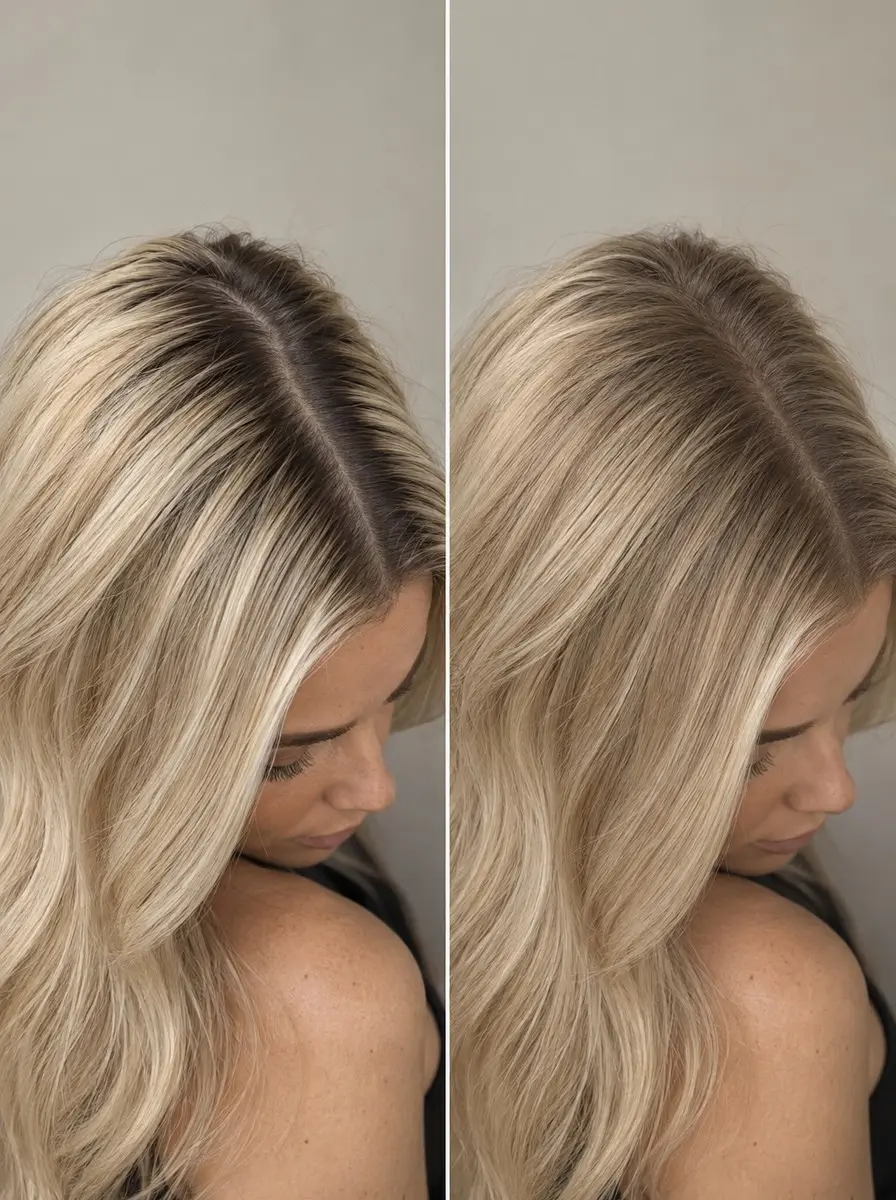
Quick answer To use rice water on hair, soak or boil rinsed rice, strain off the cloudy water and dilute it with plain water. Pour it over freshly shampooed hair, leave it for about five minutes, then rinse well and condition. Start at no more than once every two weeks.
Rice water is one of the internet’s favourite hair rituals, and the before-and-after photos look convincing. Pour the cloudy liquid left over from soaking rice through your lengths and, so the story goes, you get glossier, smoother and somehow longer hair.
The honest version is smaller. There are no large randomized trials showing rice water grows hair, and most of the praise is anecdotal. Its real job is cosmetic: on many hair types it can leave strands feeling smoother and looking shinier.
The catch is that rice water carries starch and some protein, so overdoing it is easy. Use it too often and hair goes stiff, dry and prone to snapping.
This guide covers the safe way to do it: how to make soaked, boiled or briefly fermented rice water, how much to dilute it, how long to leave it on, and how often to repeat it for your hair type. It also covers the stop signals that tell you to back off.
Time 30-45 minutes, plus 30 minutes of soakingDifficulty BeginnerSteps 8
Rice Water Schedule by Hair Type
| Hair type | Start at | Never more than | Leave on |
|---|---|---|---|
| Fine or low-porosity | Once a month | Every 2 weeks | 3 to 5 minutes |
| Medium, normal porosity | Every 2 weeks | Every 2 weeks | About 5 minutes |
| Thick, coarse or high-porosity | Every 2 weeks | Once a week | Up to 10 minutes |
| Bleached or chemically treated | Strand test, then once a month | Every 2 weeks | 3 to 5 minutes |
What You’ll Need
As an Amazon Associate, HairAide earns from qualifying purchases. Product links in this guide are affiliate links: they cost you nothing extra and help keep these tutorials free.
- Uncooked white rice The base of the rinse: soaking or boiling it releases the starch and protein that give the smoothing, shine-boosting coat.
- Fine-mesh strainer Rinses debris off the rice and strains out the grains so only the cloudy liquid goes on your hair.
- Lidded glass jar Holds the soak and keeps the rice water sealed in the fridge for its three-to-five-day life.
- Saucepan (cookware) Optional: needed only for the boiled method, which makes a thicker, starchier rinse.
- Applicator or spray bottle Holds the diluted mix for testing and lets you aim it at your lengths and ends instead of flooding your scalp.
- Gentle sulfate-free shampoo Cleans off oil and product first so the rice water coats clean strands.
- Wide-tooth comb Spreads the rinse evenly through damp hair without snagging or stretching fragile wet strands.
- Moisturizing deep conditioner Puts back softness after every session and is the fix for protein overload, so you need it on hand from the start.
Step-by-Step
Step 1 Decide whether your hair is a good candidate
Before you make anything, think about how your hair handles protein, because that decides whether rice water helps or backfires. Thick, coarse or high-porosity hair, which soaks up water fast and dries quickly, usually copes best. Fine hair and low-porosity hair, where water beads on the surface, are the most likely to turn stiff, so start them at a lower frequency.
Bleached or chemically treated hair can react to the proteins and needs a strand test first (step five). If you’re reaching for rice water because of shedding or thinning, see a dermatologist instead. Rice water isn’t a treatment for hair loss, and putting off a diagnosis costs you time.
Step 2 Make soaked or boiled rice water
Put half a cup of uncooked white rice in a fine-mesh strainer and rinse it once under the tap to wash off dust and loose debris.
For soaked rice water, tip the rice into a clean glass jar with two cups of water, leave it for 30 minutes, then swirl until the water turns milky and strain the liquid back into the jar. For boiled rice water, simmer the rice in three cups of water in a saucepan until the water is thick and cloudy, about 15 minutes, then strain and let it cool completely.
Boiled water carries more starch, so it feels slipperier and coats the hair more. Either version is ready once it’s opaque and at room temperature.
Step 3 Ferment briefly, or skip it
Fermented rice water is popular online, but you don’t need it, and leaving it out for days is a mistake. If you want to try it, cover the strained soaked water and leave it at room temperature for 12 to 24 hours at most. Then move it to the fridge.
It should smell mildly sour, not rotten. Fermenting longer makes it more pungent and more likely to irritate your scalp, and adds nothing proven in return. Store any rice water in the sealed jar in the fridge and use it within three to five days. Throw it out if it smells foul, turns slimy or grows mold.
Step 4 Dilute it into an applicator bottle
Rice water goes on diluted, because full strength leaves more starch and protein behind than most hair needs. Mix soaked or boiled rice water with an equal amount of plain water. Fermented water is stronger, so use one part rice water to three parts water.
Pour the mix into an applicator or spray bottle so you can aim it at the lengths and ends rather than tipping it over your scalp. Make only what you’ll use in one session, about a cup for shoulder-length hair, and put the rest of the jar back in the fridge. This same diluted mix is what you test with in the next step.
Step 5 Patch test and strand test
Use the diluted mix from your applicator bottle for both tests: one part rice water to one part plain water for soaked or boiled, or one to three for fermented. Dab a little behind one ear and leave it for 24 hours, keeping the bottle and jar in the fridge while you wait.
Redness, itching or bumps there mean it isn’t for your scalp, and this matters most with fermented water. If your hair is bleached or chemically treated, also strand test a hidden section underneath.
Apply the same diluted mix, leave it for five minutes, rinse well, let it dry and then feel it. Soft and smooth means you can carry on. Rough, crunchy or straw-like means your hair is already short of moisture and rice water will make that worse.
Step 6 Apply after shampoo and time it
Wash with a gentle shampoo first, so the rice water goes onto clean hair instead of sitting over oil and styling product. Squeeze out the excess water until your hair is damp but not dripping, which leaves room for it to take up the rinse.
Soak the mid-lengths and ends, then run a wide-tooth comb through to spread it evenly without snagging wet hair. Leave it on for 3 to 5 minutes for fine, low-porosity or bleached hair, about 5 minutes for medium hair, and up to 10 minutes for thick, coarse or high-porosity hair. Longer doesn’t give better results. It just leaves more behind.
Step 7 Rinse thoroughly, then condition
Rinse with lukewarm water until your hair no longer feels slick or starchy. Leftover starch is what dries into stiffness and white flakes, so the rinse needs to be longer than you’d think. Then apply a moisturizing deep conditioner to the lengths and leave it for the time on the label.
That puts back the softness the protein can take away, which is why skipping this step is the quickest route to straw-like ends. You’re done when your hair feels soft and slips easily through your fingers, with no tacky film.
Step 8 Watch for overload and set your schedule
Check your hair a day or two after each session, once it’s fully dry. Smoother, shinier hair that still bends easily means rice water suits you. Fine or low-porosity hair, and bleached or chemically treated hair once it passes the strand test, starts at once a month and never goes past every 2 weeks.
Medium hair with normal porosity stays at every 2 weeks. Thick, coarse or high-porosity hair starts at every 2 weeks and can build up to once a week, but no more.
Hair that feels stiff, dry, brittle or rough, or snaps when you stretch a strand, is showing protein overload. Stop the rice water and use the moisturizing deep conditioner each wash day until the softness comes back. When you restart, halve your old frequency.
Common Mistakes to Avoid
- Fermenting rice water on the counter for days. It turns rotten-smelling and more irritating, and gives nothing proven in return.
- Using it undiluted after every wash, which piles on starch and protein until hair goes stiff, dry and snaps.
- Leaving it on overnight or as a leave-in, which leaves residue behind and makes overload far more likely.
- Skipping the long rinse and the conditioner, so dried starch leaves a tacky film, white flakes and rough ends.
- Treating fine or low-porosity hair on the same weekly schedule as thick, high-porosity hair.
Pro tip Before each session, do a stretch test on one shed strand while it’s wet. If it stretches a little and springs back, you’re balanced. If it snaps almost straight away, skip the rice water and deep condition instead. If it stretches and stays limp, your hair can probably take the protein.
The Bottom Line
Used the careful way, rice water is a cheap, low-effort rinse that can make hair feel smoother and look shinier. Make it fresh, dilute it, keep it on your lengths for a few minutes, rinse it out completely and always finish with a moisturizing conditioner. Let your hair, not the hype, set the schedule. Start at every two weeks or less, and back off at the first sign of stiffness.
Rice water is a conditioning rinse, not a medical treatment. If your hair is breaking badly whatever you put on it, a stylist can tell you whether you’re dealing with damage, product buildup or a protein-moisture imbalance. If you’re seeing thinning, a widening part or unusual shedding, book a dermatologist. Those problems need a diagnosis, not a kitchen remedy.
Frequently Asked Questions
Does rice water actually make hair grow?
There's no good evidence that it does. Dermatologists point out that no large randomized controlled studies show rice water grows hair, and Cleveland Clinic dermatologist Alok Vij has said there isn't much good evidence beyond anecdotal reports. Hair grows about half an inch a month, and nothing in rice water has been shown to change that. If you're shedding or thinning, see a dermatologist.
How often should I use rice water on my hair?
Start at no more than once every two weeks. Fine, low-porosity or bleached hair should start at once a month. Thick, coarse or high-porosity hair that clearly responds well can build up to once a week, but no more. If your hair turns stiff, dry or brittle, stop until it feels soft again, then restart at half the frequency.
Can I leave rice water in my hair overnight?
No. Rice water works as a short rinse: three to ten minutes depending on your hair type, followed by a thorough rinse and a moisturizing conditioner. Leaving it in overnight lets starch and protein build up on the strand, which is how hair ends up stiff and prone to snapping. Long contact also gives it more time to irritate a sensitive scalp.
Is rice water safe for bleached or color-treated hair?
It can be, but test first. Experts caution that chemically treated hair may react to the proteins, and bleached hair, which is already porous and short of moisture, can turn crunchy quickly. Strand test a hidden section with diluted rice water for five minutes, rinse and let it dry. If it feels soft, use it no more than once a month to start.
How long does homemade rice water last?
Keep it sealed in the fridge and use it within three to five days. Fermented rice water should spend no more than 12 to 24 hours at room temperature before it goes into the fridge. Throw out any batch that smells rotten rather than mildly sour, feels slimy or shows mold, and make a fresh one. It only takes 30 minutes.
Keep Reading
Sources
- Wait rice water actually shiniest yahoo.com
- Rice water the secret ingredient for longer hair my.clevelandclinic.org
- Does rice water have benefits hair t today.com