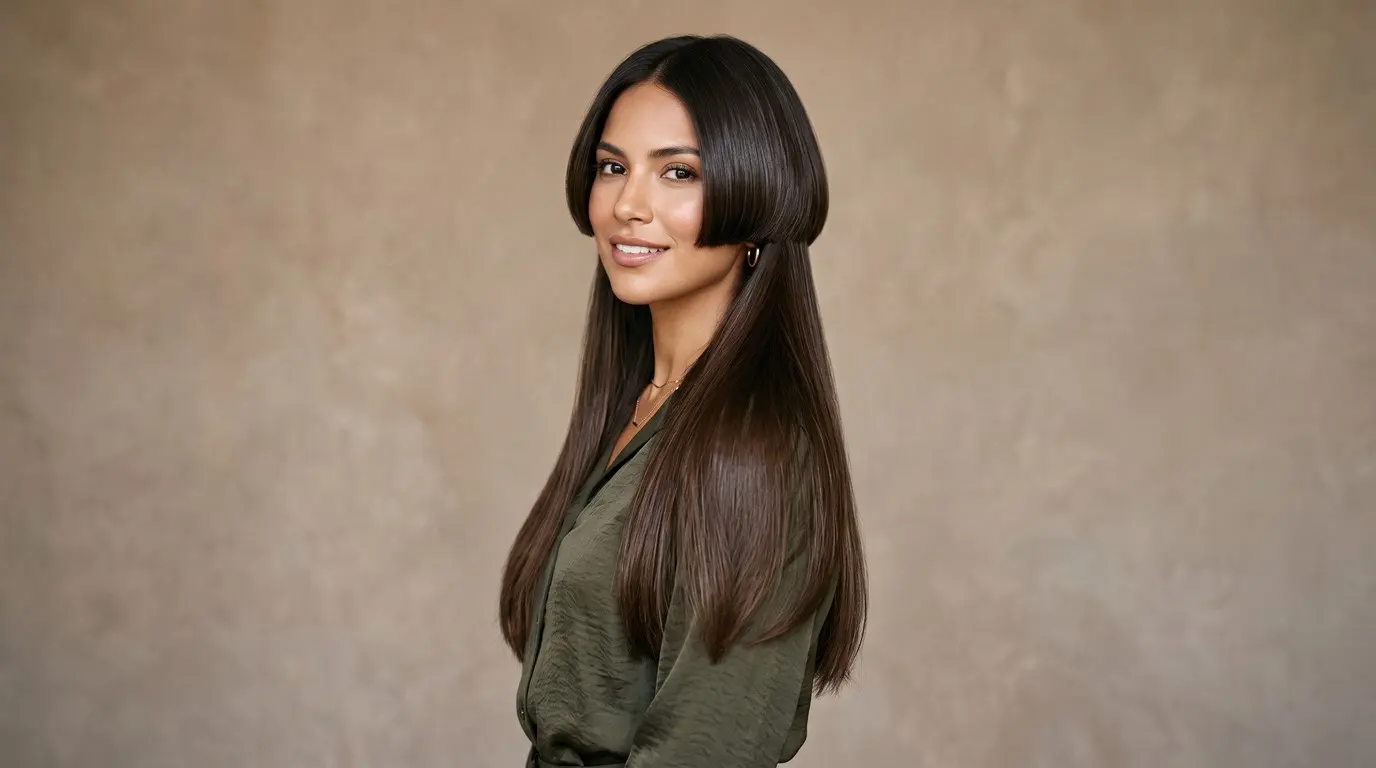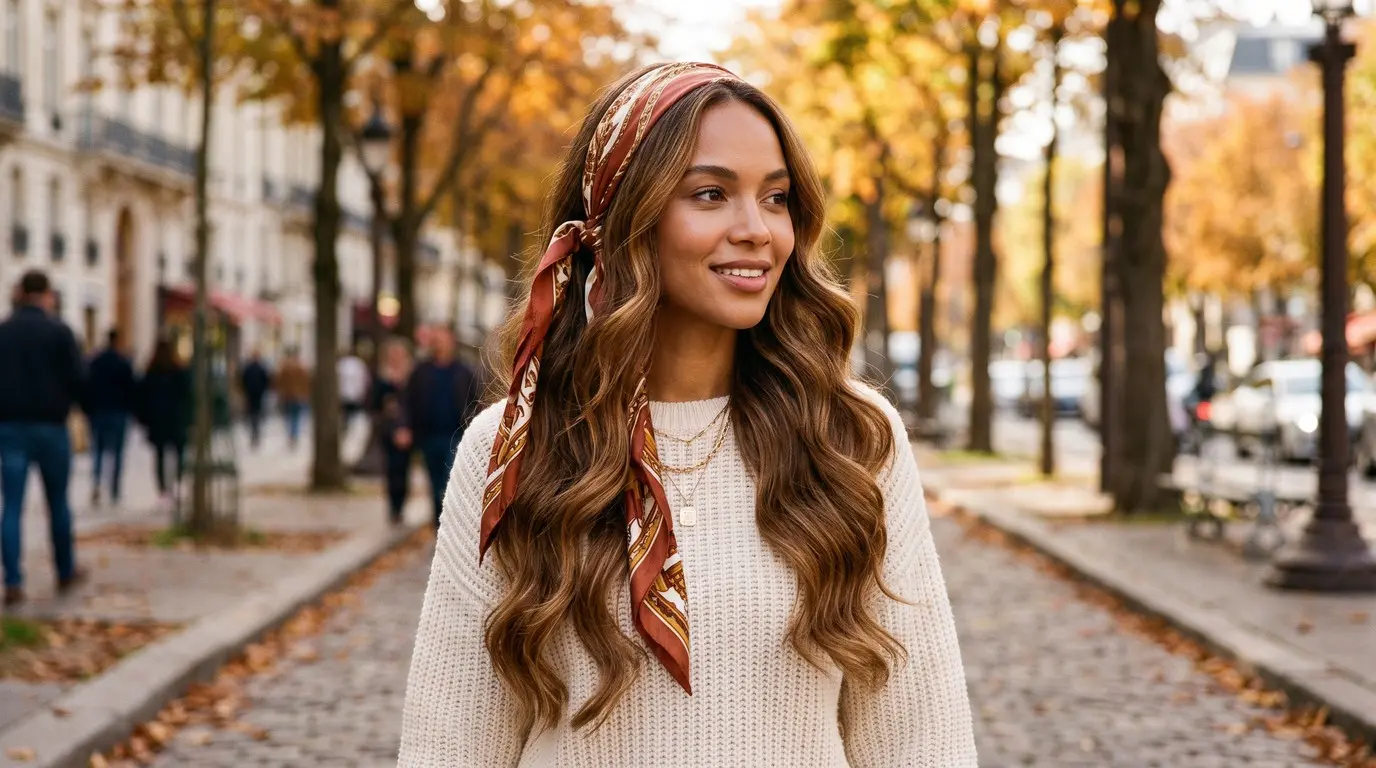
The easiest scarf-friendly hairstyles pair a simple base (a low bun, braid, half-up twist or second-day waves) with one tie: the triangle head wrap, a scarf headband, or a scarf knotted around a ponytail. Choose silk or soft cotton to limit friction.
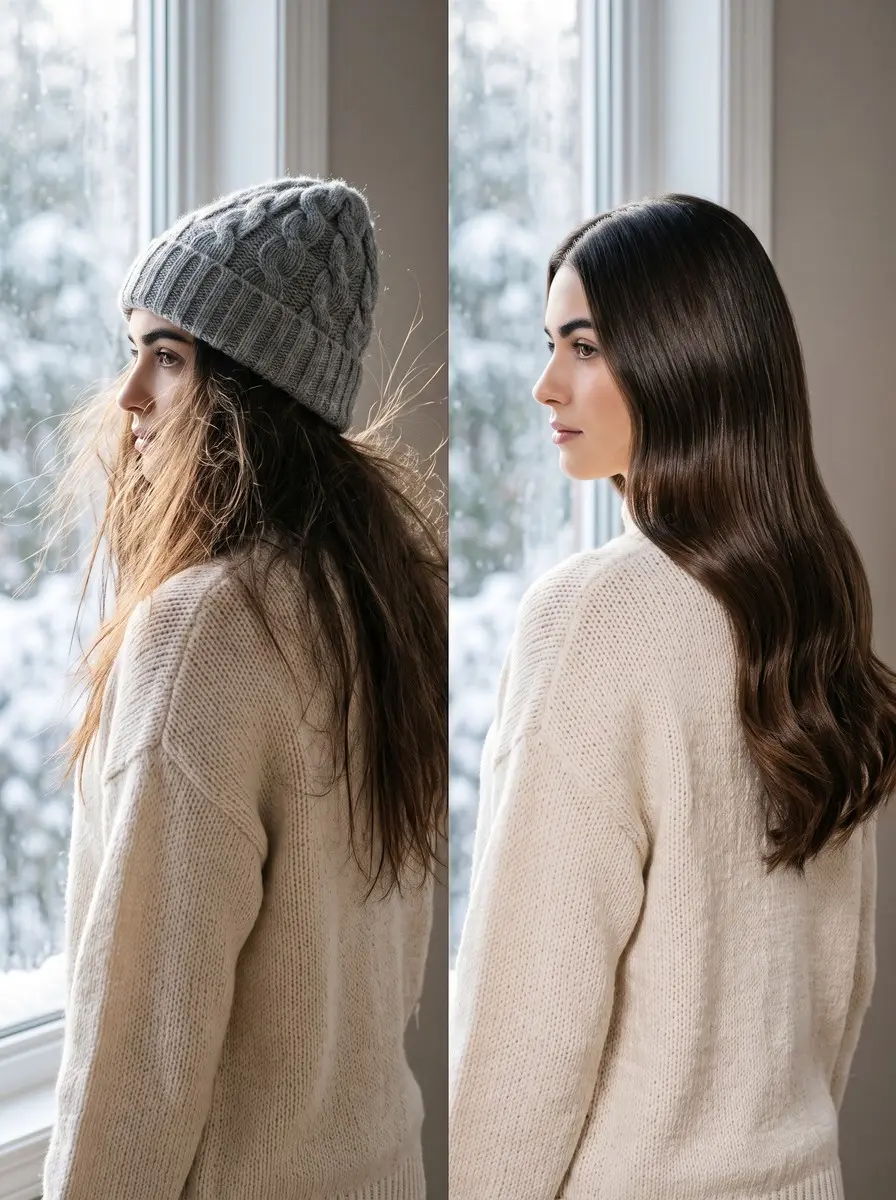
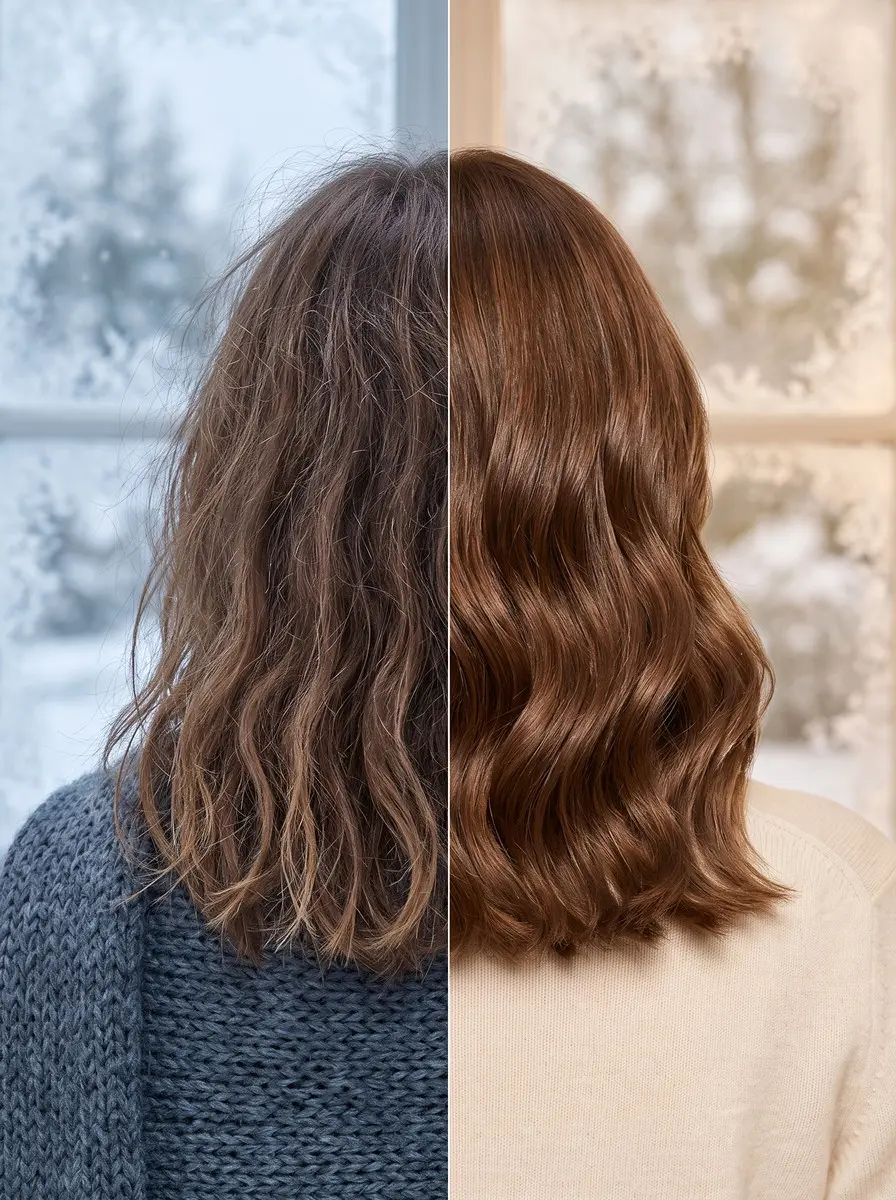
Cold-weather dressing is hard on hair. Wool scarves rub the lengths into static and tangles, and a quick head wrap can leave roots flat by lunch. The fix isn’t giving up scarves, which have become the easiest way to finish an outfit this season. It’s choosing scarf-friendly hairstyles, pairing each tie with a hair base that actually works under it.
That’s the gap in most scarf roundups, which show the fabric and skip the hair. Below, each of the 20 looks names the base (low bun, braid, half-up twist, twist-out or second-day waves) and the exact tie, from the classic triangle head wrap to a scarf knotted around a ponytail. There are options for pixies, bobs, long layers, and coily and curly hair, plus two styles built for chunky knit scarves and advice on protecting your edges.
1. Classic Triangle Head Wrap Over a Low Bun

Hover on images and discover how pinning can transform your collection of favorites!
The most versatile tie there is: fold a square scarf into a triangle, lay the long edge along your hairline, and knot the two ends at the nape, leaving the third corner draped over the crown. A low bun underneath gives the fabric a smooth shape to hug, so it suits medium to long hair of any texture. Pin the bun just below the knot so the two don’t compete for space, and shift the knot slightly left or right each wear to spread tension.
2. Triangle Wrap With Front Curls Left Loose

Hover on images and discover how pinning can transform your collection of favorites!
Set the triangle’s long edge two inches behind the hairline and let your front curls spill out, so the scarf frames your face rather than covering all your hair. It flatters curly and wavy hair at shoulder length or longer and hides third-day roots. For pieces that always fall well, ask your stylist for face-framing layers cut dry, curl by curl. Between washes, refresh only the exposed curls with a spritz of water and a pea-sized dab of curl cream.
3. Silk Scarf Knotted Around a Low Ponytail

Hover on images and discover how pinning can transform your collection of favorites!
The lowest-effort option: secure a low ponytail with a snag-free elastic, fold a silk square into a narrow band, wrap it twice over the elastic and knot it, letting the ends hang. It works on straight, wavy or curly hair long enough to reach the collar. For a ponytail that looks full, ask your stylist for long layers that keep weight at the ends. Vary the ponytail’s height day to day so the elastic doesn’t stress one spot.
4. Scarf-Braided Low Bun

Hover on images and discover how pinning can transform your collection of favorites!
Tie a skinny scarf around the base of a low ponytail, split the hair into two sections, and braid the scarf’s doubled tails in as the third strand, then coil the braid into a bun and pin it. The fabric running through the plait adds bulk, which makes it a clever pick for fine or thinning hair at shoulder length or longer. Tuck the scarf ends under the coil and secure them with two U-pins; the bun holds well into day two.
5. Rolled Scarf Headband With a Half-Up Twist

Hover on images and discover how pinning can transform your collection of favorites!
Fold a square scarf into a triangle, roll it from the long edge into a two-inch band, and tie it at the nape under your hair, knot hidden. Then twist the top section back and pin it just behind the band. It suits almost any length from a lob to waist-length hair and is especially kind to a grown-out fringe you’re trying to keep off your face. It also buys an extra day between washes, since the band hides your part and flat roots.
6. Half-Up Top Knot With a Silk Bow

Hover on images and discover how pinning can transform your collection of favorites!
Gather the top third of your hair into a small knot at the crown, then tie a silk square or long skinny scarf around its base in a floppy bow, tails trailing into the lengths. It gives straight or fine hair lift at the crown without teasing, and reads playful on shoulder-length cuts. Keep the knot loose enough to slide a finger under, which spares you a tension headache and a dent. Second-day hair grips better here than freshly washed hair.
7. Bandana Headband Over Heatless Braid Waves

Hover on images and discover how pinning can transform your collection of favorites!
Braid damp hair into two plaits before bed and unravel them in the morning, then fold a cotton bandana into a band, set it under your hair at the nape, and knot it on top, slightly off-center. The soft, bendy waves suit medium to long straight or wavy hair, and cotton grips well enough to stay put without pins. Rake a drop of hair oil through the ends to tame frizz, and re-braid loosely at night to reset the wave for day two.
8. Silk Scarf Woven Through a Dutch Braid

Hover on images and discover how pinning can transform your collection of favorites!
Start a Dutch braid at the crown, lay the midpoint of a long, narrow scarf under the first strand, and braid its tails in with the outer strands so a ribbon of print weaves down the plait. Knot the tails at the end in place of an elastic. Thick, long hair shows the pattern most clearly, while finer hair gains visible bulk. Starting at the crown rather than the hairline keeps tension off your edges, and the braid survives two days if you sleep on satin.
9. Pineapple Puff Inside a Satin-Lined Wrap

Hover on images and discover how pinning can transform your collection of favorites!
Gather coily or tightly curled hair loosely at the top of your head with a satin scrunchie, then wrap a wide satin-lined scarf around your head just below the puff and knot it at the front, so the curls burst out the top. It shields a twist-out or wash-and-go from collar friction during the day and doubles as overnight protection. Keep the gather loose enough that nothing tugs at your hairline, and lift the roots with a pick when you take it down.
10. Front-Knot Turban Over Two-Strand Twists

Hover on images and discover how pinning can transform your collection of favorites!
Place the middle of a long rectangular scarf at your nape, bring both ends up to your forehead, twist them around each other once, then take them back and tuck them in at the nape. You get a sculpted knot at the front and full coverage that keeps twists or braids looking fresh deep into the week, on any length of coily or curly hair. Choose a satin-lined scarf or wear a thin satin cap underneath, and keep the wrap snug rather than tight across the forehead.
11. Twist-Out Framed by a Wide Scarf Headband

Hover on images and discover how pinning can transform your collection of favorites!
Fold a scarf into a three-inch band, slide it under a stretched twist-out at the nape and tie it on top, knot slightly off-center. The band covers flattened roots while the defined lengths stay on show, which makes it a strong day-three or day-four look for medium-length coily and curly hair. Rest the band on your hairline rather than pulling your edges back to fit it. At night, pineapple the curls and re-tie the scarf over them to preserve definition.
12. Scarf-Wrapped High Bun for Box Braids

Hover on images and discover how pinning can transform your collection of favorites!
Knotless or box braids get heavy in a bun, so gather them loosely at the crown, twist them into a bun, then wrap a long scarf around the base several times and knot it at the side. The scarf holds the shape without a tight elastic, spreading the weight instead of pulling on the hairline. It suits braids of any length past the shoulders. Take the bun down every evening, and if you feel tenderness or see small bumps at the edges, loosen the style.
13. Retro Driving Scarf Over Pin-Curl Waves

Hover on images and discover how pinning can transform your collection of favorites!
Set pin curls on damp hair the night before, brush them out into soft waves, then fold a large square into a triangle, place it over your head with the point at the back, and tie the ends under your chin or at the nape. Leave an inch of waves showing at the forehead. It’s ideal for shoulder-length or shorter hair on windy days. Ask your stylist for soft, rounded layers so the waves fall into a shape rather than splaying.
14. Second-Day Low Bun With a Silk Band

Hover on images and discover how pinning can transform your collection of favorites!
When your roots start to look oily, dust dry shampoo along the part, brush everything back into a low bun, then fold a silk square into a band and tie it across the crown so the knot sits just above the bun. The scarf covers the part, where oil tends to show first, and the bun hides kinked ends. It suits straight to wavy hair of medium length or longer. Smooth flyaways with a drop of lightweight serum warmed between your palms.
15. Front-Knot Bandana Over a Messy Top Knot

Hover on images and discover how pinning can transform your collection of favorites!
Twist second-day hair into a messy top knot, then fold a bandana into a band, place the middle at your nape, and knot it on top just in front of the bun, tucking the tails under. The front knot adds height and hides oil or flatness at the hairline, and the look works on every texture from straight to coily. If short layers escape, cross two bobby pins in an X to hold them under the band. It’s the fastest gym-to-errands fix here.
16. Silk Twilly Spiraled Down a Long Braid

Hover on images and discover how pinning can transform your collection of favorites!
Tie a twilly, a narrow ribbon-width silk scarf, around the top of a loose three-strand or fishtail braid, spiral it down the plait, and knot it over the elastic at the end. It adds color without covering the crown, so there are no flat roots when it comes off, and it suits hair that reaches mid-back or longer. The spiral also stops a fishtail from fraying in wind. Unwrap the twilly each evening and hang it flat so it doesn’t crease.
17. Nape-Tied Kerchief for a Pixie

Hover on images and discover how pinning can transform your collection of favorites!
Short hair can still wear a scarf: fold a small square into a triangle, set the long edge a finger’s width behind the hairline, and knot it at the nape with the point tucked under. Pull a few pieces out at the temples so the cut still reads. It suits pixies and cropped cuts and rescues the awkward grow-out stage. To keep that stage polished, ask your stylist to tidy the nape and around the ears every six to eight weeks, before the shape loses its line.
18. Wide Folded Band Over a Blunt Bob

Hover on images and discover how pinning can transform your collection of favorites!
Fold a large scarf into a band about four inches wide and tie it at the nape under the bob, knot hidden, so it sits like a soft Alice band across the crown. A chin- or jaw-length blunt bob swings neatly below it, and the width covers a stubborn crown cowlick on flat-root days. Ask for a one-length bob with the ends cut blunt, not thinned, so the line stays crisp under the scarf. Tie it snug but not tight, or it leaves a crease.
19. High Sleek Bun for Chunky Knit Scarves

Hover on images and discover how pinning can transform your collection of favorites!
Wool knits rub against loose hair at the collar, which tangles the ends and builds static, so lift everything into a high, smooth bun before you wrap a chunky scarf around your neck. It suits medium to long hair of any texture and stops coat collars from matting the hair at your nape. Smooth a pea-sized amount of leave-in conditioner through the lengths first to curb static in dry winter air, and secure the bun with a fabric scrunchie rather than a thin elastic.
20. Low Side Braid Draped Over a Blanket Scarf

Hover on images and discover how pinning can transform your collection of favorites!
Sweep your hair to one side and plait a loose three-strand braid that rests over the front of the scarf instead of trapping your hair under the wrap. Nothing gets crushed or knotted at the nape, and the braid keeps its shape through a full day of taking your coat on and off. It flatters long hair of most textures and disguises second-day kinks. If your ends catch on the wool, smooth them with a little balm and tie off with a snag-free elastic.
You Might Also Like
- polished low bun hairstyles
- half-up half-down hairstyles
- how to fix greasy roots between washes
- how to stop hair breakage
- find your hair porosity
Across all 20 looks the rule is simple: build a base that holds on its own, then let the scarf add polish rather than grip. Choose silk or soft cotton over rough weaves, tie firmly but never tight at the hairline, and move your knot around from day to day. Second-day hair usually grips a scarf better than freshly washed hair.
Try this: keep a silk square in your coat pocket and, on a flat-root day, fold it into a band before you head out. If you’d rather set waves with a curling wand or flat iron before tying on a scarf, mist on a heat protectant, use irons only on completely dry hair, and cap the temperature at about 150°C/300°F for fine or bleached hair, or 180-200°C/355-390°F for coarse hair.
Frequently Asked Questions
Is silk or cotton better for wearing a scarf over your hair?
Silk and satin have the smoothest surface, so they create the least friction, which matters most for dry, curly, coily or fragile hair. Soft cotton is also a good choice and grips better, so bandanas stay put without pins. Rougher weaves such as coarse wool or scratchy synthetics cause the most friction, so keep your lengths tucked away from them.
How do I protect my edges and hairline when wearing a head scarf?
Tie scarves firmly enough to stay on but never tight at the hairline, because repeated tension along the edges is a known cause of traction hair loss. Move the knot from day to day, don't drag your edges back to fit a band, and choose a satin-lined scarf or wear a satin cap underneath. Tenderness, small bumps or thinning along the hairline mean it's time to loosen the style.
What are the best scarf hairstyles for natural or curly hair?
A loose pineapple puff inside a satin-lined wrap, a front-knot turban over twists, and a wide scarf headband framing a twist-out are the most practical, because each protects the lengths while letting definition show. Keep your ends away from collars and rough fabric, and refresh only the exposed curls between washes.
Why does my hair get staticky with winter scarves, and how do I stop it?
Friction between hair and wool or synthetic knits builds static, and dry winter air makes it worse. Smooth a little leave-in conditioner or a drop of hair oil through your lengths before you head out, wear your hair in a bun or a braid that sits above or over the scarf, and pick a silk-lined or cotton scarf where you can.
Are scarf hairstyles a lasting classic or a passing trend?
Hair scarves are a lasting classic that keeps resurfacing in new forms, from the retro driving scarf to the bandana headband and the twilly-wrapped braid. Because the core techniques (triangle wraps, headbands, knotted ponytails) work with whatever cut or color you have, a good silk square keeps earning its place long after any single trend fades.
Sources
- Silk or soft cotton scarves are recommended over rougher fabrics to minimize hair damage and friction. brucesamia-silks.com
- The triangular head-wrap technique — folding the scarf into a triangle and tying the corners at the back, leaving the third corner over the crown — is one of the most versatile scarf styling methods. hairstylecamp.com
- Wrapping a scarf around a low ponytail or bun as a knotted hair band is a popular, low-effort way to incorporate scarves without full head coverage. purewow.com