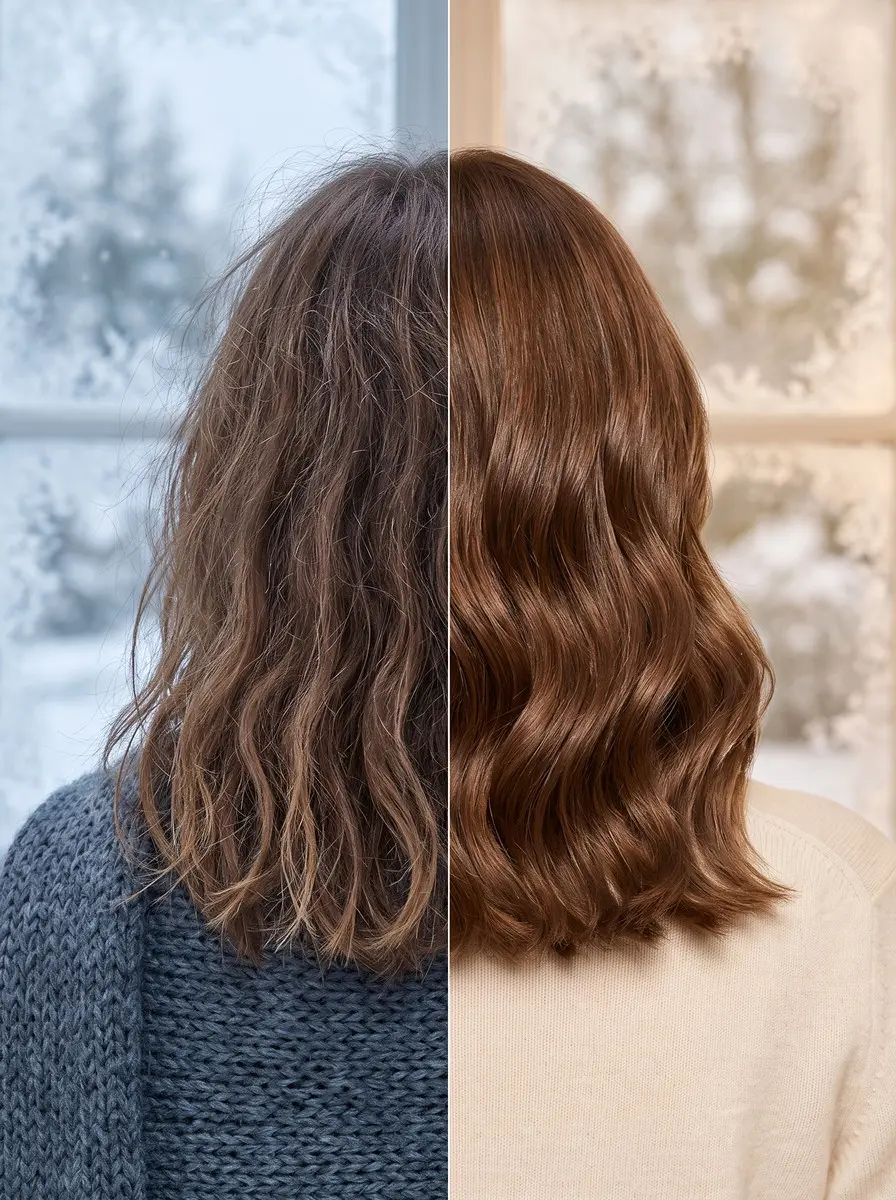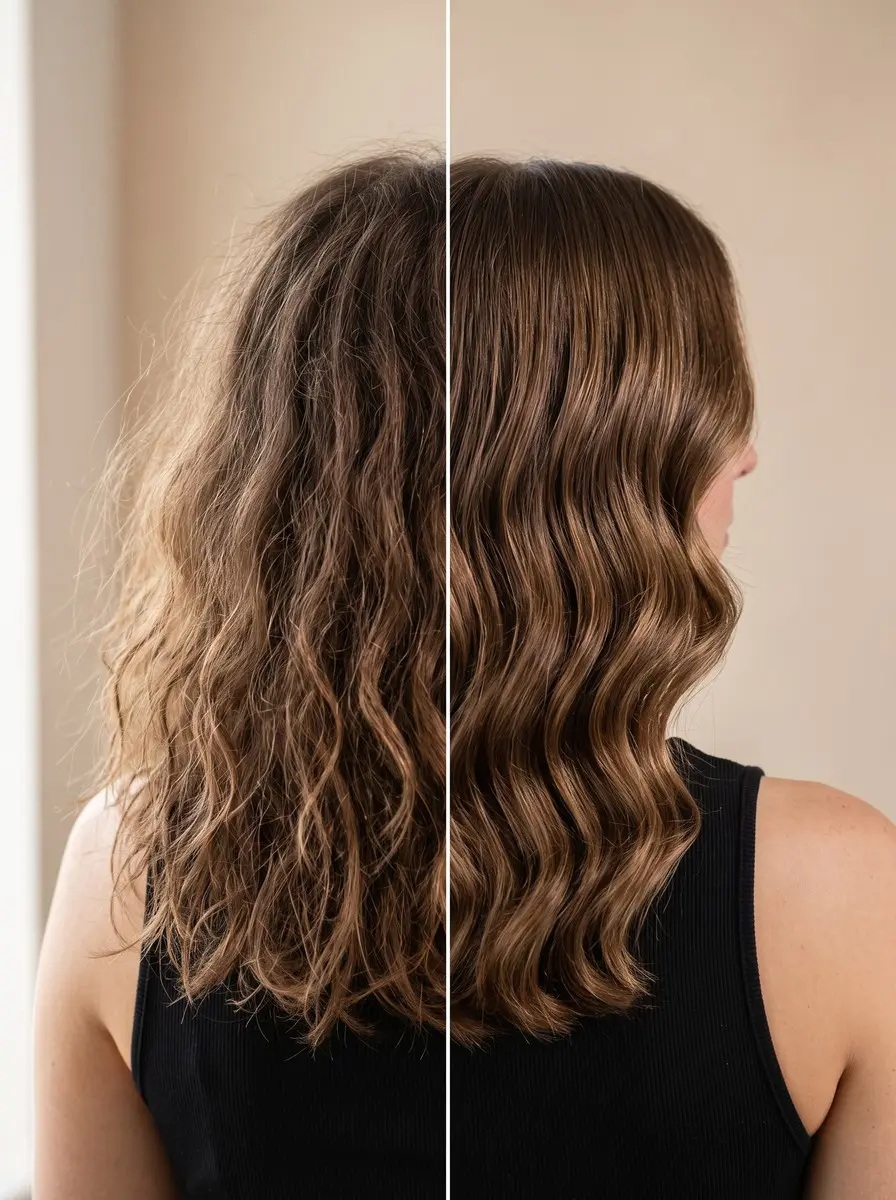
To get rid of static hair, rub a dryer sheet over the flyaways or comb them flat with a metal comb misted with hairspray. To prevent it, use a leave-in conditioner after each wash, swap plastic brushes for metal or boar bristle, sleep on silk and run a humidifier.
You pull off your beanie and half your hair goes with it, crackling toward the ceiling. Strands cling to your cheeks, your scarf and your coat collar, and every attempt to smooth them down only seems to make them float higher. Static is one of winter’s most maddening hair problems, and it always seems to strike just as you’re heading out the door.
The good news is that it’s electricity, not damage, and it’s easy to switch off. Friction from hats, scarves, brushes and pillowcases strips electrons from your strands, and dry winter air holds too little moisture to carry that charge away. Every hair ends up with the same charge, and like charges repel, so the strands push away from each other. Here’s how to get rid of static hair in seconds, then keep it from coming back with a simple prevention routine.
What You’ll Need
- Lightweight leave-in conditioner spray (anti-static) — Coats strands after every wash to cut friction and keep a little moisture at the surface so charge can’t build up.
- Stainless-steel comb — Grounds the static charge as it moves through your hair, and it holds the hairspray for the all-day flyaway fix.
- Light-hold flexible hairspray — Misted onto the metal comb, it weighs down flyaways without leaving stiff, crunchy pieces.
- Mulberry silk pillowcase — Lets hair glide instead of rubbing overnight, so you wake up with fewer flyaways.
- Cool-mist humidifier — Adds moisture back to heated bedroom air so charge can escape instead of building up on your strands.
As an Amazon Associate, HairAide earns from qualifying purchases. Some links above are affiliate links — they cost you nothing extra and help support free tutorials.
Step-by-Step
-
Confirm it’s static, not frizz, before you treat it. Static shows up on cold, dry days as individual strands that lift away from each other, cling to your sweater or face, and sometimes crackle. Frizz is a fuzzy, puffy halo that swells in humid weather and stays put whatever you touch. The difference matters because the fixes don’t overlap much: static needs a little moisture and a way to discharge, while frizz needs smoothing and protection from humidity. To test, hold your palm close to your hair without touching it. If strands lift toward your hand, it’s static.
-
When you need static gone in seconds, reach for an unused dryer sheet. Glide it lightly down the surface of your hair from mid-lengths to ends, or wipe it over your brush or comb and brush through, keeping it off your scalp. Dryer sheets contain the same kind of softening, anti-static ingredients found in conditioner, and even a thin layer neutralizes the charge almost instantly. If you don’t have a sheet, rub a pea-size dab of hand cream between your palms until it has nearly absorbed, then smooth it over the top layer. You’re done when the flyaways settle and stop reaching for your hand.
-
For flyaways that need to stay down all day, mist a light-hold hairspray onto a metal comb, not onto your head. Then comb it gently over the top layer from crown to ends. The metal grounds the static charge as it passes through, and the thin film of spray weighs the strands down just enough to keep them in line. Because you spray the comb instead of your hair, the dose stays tiny and you get control without stiff or crunchy pieces. You’re finished when the surface lies smooth and stays put when you shake your head.
-
Use a leave-in conditioner or anti-static spray every wash day. Mist it through damp, towel-blotted hair from mid-lengths to ends before you blow-dry or air-dry, then comb it through so every strand is coated. Conditioning ingredients leave a light, slippery film that reduces the friction that creates static. They also hold a little moisture at the surface, so any charge you pick up can escape instead of building up. Fine hair needs only a few sprays, while thick or coarse hair can take a creamier leave-in. When your dry hair feels soft rather than squeaky and no longer clings to your fingers, you’ve used enough.
-
Swap plastic brushes and combs for materials that don’t build up charge. Plastic picks up charge with every stroke. A stainless-steel comb grounds the charge instead, and a wooden or boar-bristle brush creates far less of it. Boar bristles also carry your scalp’s natural oils down the lengths, adding the light surface moisture that static can’t survive. Brush less often too: a few slow strokes to detangle and style beat dozens of fast ones, because every pass is friction. You’ll know the switch is working when your hair lies flat after brushing instead of lifting toward the brush.
-
Cut friction where your hair spends the most time: on your pillow and under your winter accessories. Replace a cotton or rough synthetic pillowcase with silk, or with a smooth satin if silk isn’t in the budget, so your hair glides instead of rubbing through a night of tossing and turning. Knit hats and scarves are major static generators, especially synthetic knits like acrylic, so choose a satin-lined beanie or tuck a silk scarf between your hair and a knit collar. Lift your hat off slowly instead of dragging it back over your head. You’ll know it’s working when you wake up and take off your hat without strands lifting or clinging to the fabric.
-
Adjust your wash day for the dry-air season. Washing every day with a strong clarifying shampoo strips the natural oils that keep strands supple, so go longer between washes if your scalp allows and switch to a moisturizing, sulfate-free formula. Follow every shampoo with conditioner on the lengths and add a hydrating mask once a week, because hair that’s prone to static is almost always dry. If your hair still feels coated and straw-like, hard-water mineral buildup may be to blame, and an occasional clarifying treatment will clear it. The routine is working when your hair feels soft for days after washing instead of just a few hours.
-
Put moisture back into the air and keep a rescue kit on hand. Indoor heating makes winter air even drier, so run a cool-mist humidifier in your bedroom overnight. The extra moisture in the air lets charge leak away instead of building up on your strands. If static keeps coming back, carry a dryer sheet and a small metal comb in your bag, spritz leave-in onto your lengths before you put on a hat, and on the driest, windiest days wear your hair in a low bun or braid so fewer loose ends can lift. After about a week of the full routine, static should go from a daily battle to an occasional blip.
Common Mistakes to Avoid
- Brushing harder with a plastic brush to flatten flyaways. Every stroke adds more friction and more charge.
- Yanking a knit hat off in one fast drag, which rubs every strand on the way out and leaves your hair standing on end.
- Slicking static down with a heavy oil or serum, which weighs hair down and looks greasy by lunchtime. A drop or two on the ends is plenty.
- Washing daily with a clarifying shampoo all winter, which strips the natural oils that keep strands supple and less prone to static.
- Rubbing a dryer sheet across your scalp, or using a heavily scented one on sensitive skin. Keep it on the lengths and choose fragrance-free.
Pro Tip
When you restyle dry hair, spritz your leave-in onto the brush instead of your head. The bristles leave a whisper-thin, even layer that tames static without dampening your style.
Frequently Asked Questions
Is it safe to use a dryer sheet on your hair?
Yes, as an occasional quick fix. Dryer sheets are made for fabric, not hair, and many are heavily fragranced, so keep them on the lengths and away from your scalp. Choose a fragrance-free sheet if your skin is sensitive. For everyday static control, a leave-in conditioner or anti-static hair spray does the same job and is made for hair.
What's the difference between static hair and frizz?
Static is an electrical charge. Strands repel each other, stand on end and cling to fabric or your face, and it strikes in cold, dry air. Frizz is a texture problem: strands swell and lift out of alignment into a fuzzy halo, usually worse in humidity or on dry, damaged hair. Static needs moisture and grounding, while frizz needs smoothing and humidity protection.
Why does my hair get so staticky in winter?
Winter stacks every static trigger together. Cold outdoor air and heated indoor air are both dry, so charge can't escape, and hats, scarves and high-necked sweaters add friction all day. Hair also tends to be drier in winter, which makes it easier to charge. Adding moisture to both your hair and the air around you is the core fix.
Does a silk pillowcase really help with static hair?
It helps by reducing friction, which is where the charge comes from. Hair glides over smooth silk instead of rubbing against the rougher weave of cotton, so you wake up with fewer flyaways and less tangling. A pillowcase alone won't fix static if your hair and the air are very dry, but paired with a leave-in and a humidifier it makes a real difference.
Can static damage your hair?
The charge itself doesn't harm the hair fiber. But static is a sign that your strands are dry and facing a lot of friction, and constant rubbing from rough fabrics and aggressive brushing wears down the hair's surface over time, leading to roughness and breakage. Treat static as an early warning to add moisture and cut friction before real damage builds up.
You Might Also Like
- 20 polished low bun ideas for static-prone days
- 20 candlelit winter wedding hairstyles to inspire your next look
- how to remove hard water buildup from hair
- repair bleach-damaged hair at home
- do a split-end dusting without losing length
- make thin hair look thicker at home
Static comes down to friction meeting dry air, with nowhere for the charge to go. A dryer sheet or a hairspray-misted metal comb will rescue you in seconds, but the lasting fix is more moisture and less friction: leave-in after every wash, a metal, wood or boar-bristle brush, silk at night and a humidifier while you sleep. Keep it up from the first cold snap until spring. If you blow-dry, mist a heat protectant through damp hair first and dry on medium rather than blasting it bone-dry on high.
If your hair still feels straw-like, snaps easily or tangles constantly despite the routine, you’re probably dealing with damage rather than static. A stylist can tell you whether a trim or a repair treatment should come next.
Sources
- Static happens when dry winter air and friction strip electrons from hair strands, causing flyaways. redken.com
- Rubbing a dryer sheet over hair, a brush, or a comb neutralizes static almost instantly. prose.com
- Spraying hairspray onto a metal comb before combing tames flyaways while the metal grounds the static charge. toppik.com