To balance protein and moisture, clarify first, then do a strand-stretch test: hair that snaps almost instantly and feels straw-like needs moisture, while hair that stretches far, feels mushy and then snaps needs protein. Pause the excess for about four weeks, then reintroduce products one at a time.
Protein vs moisture hair balance sounds technical, but you already know the symptoms. You bought the mask that promised to fix dry hair, and now it feels like straw. Or you layered on leave-ins and oils, and your waves went flat, mushy and greasy by lunchtime. Both are the same problem pointing in opposite directions: your hair has had too much of one thing, protein or moisture, and every new product you try piles onto the wrong side.
This guide is a diagnosis first and a routine second. You’ll clarify to a clean baseline, read your symptoms alongside the strand-stretch test, check your porosity and audit your labels, then follow the four-week reset for whichever direction you’re in, or the plan for plain damage. It all happens at home with a handful of products, and it tells you when the problem is beyond what a mask can fix.
What You’ll Need
- Clarifying shampoo (chelating formula if you have hard water) — Strips silicone, oil, protein and mineral buildup so you diagnose your real hair and start either reset from a clean slate.
- Protein-free moisturizing deep conditioner (hair mask) — The core of the protein-overload reset, restoring softness and slip without adding more protein to already stiff strands.
- Light protein treatment (hydrolyzed-protein or amino-acid mask or spray) — Adds protein back gradually during the moisture-overload reset and keeps balanced hair from drifting limp.
- Bond-building treatment (pre-shampoo or leave-in) — Reduces breakage on bleached or chemically processed hair by adding new crosslinks, alongside a trim and balanced conditioning.
- Microfiber hair towel or cotton T-shirt towel — Squeezes water out fast after washing so strands spend less time saturated, which limits hygral fatigue.
As an Amazon Associate, HairAide earns from qualifying purchases. Some links above are affiliate links — they cost you nothing extra and help support free tutorials.
Step-by-Step
-
Start with one wash using a clarifying shampoo, because buildup from silicones, butters, oils and protein products can make hair feel stiff or limp and fake either problem. If your water is hard, pick a chelating formula, since mineral deposits also leave hair rough and dull. Shampoo the roots twice, let the lather run through the lengths, then use a plain, lightweight conditioner with no hydrolyzed proteins or heavy butters near the top of its label. Let hair dry with no leave-in or styler; you’re ready when it feels light and uncoated, so the texture left is your hair talking, not your products.
-
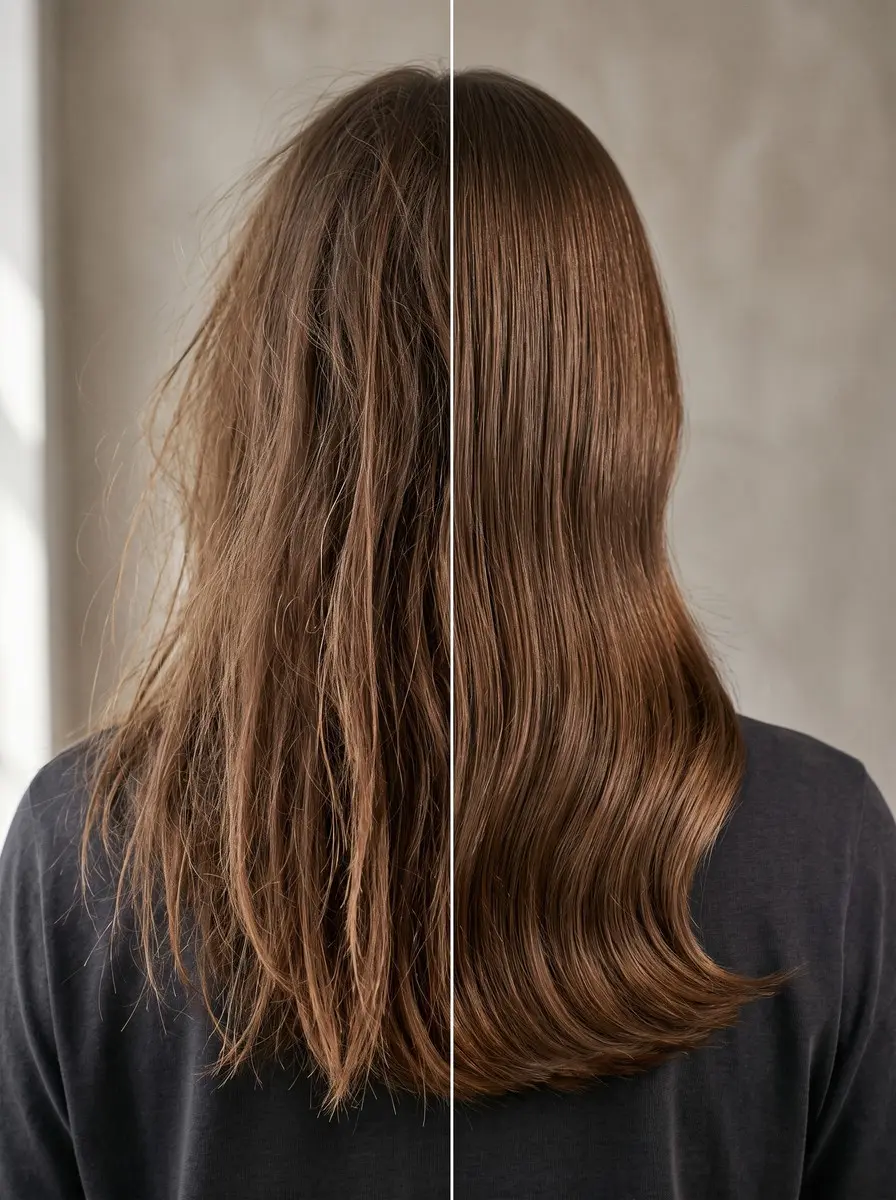
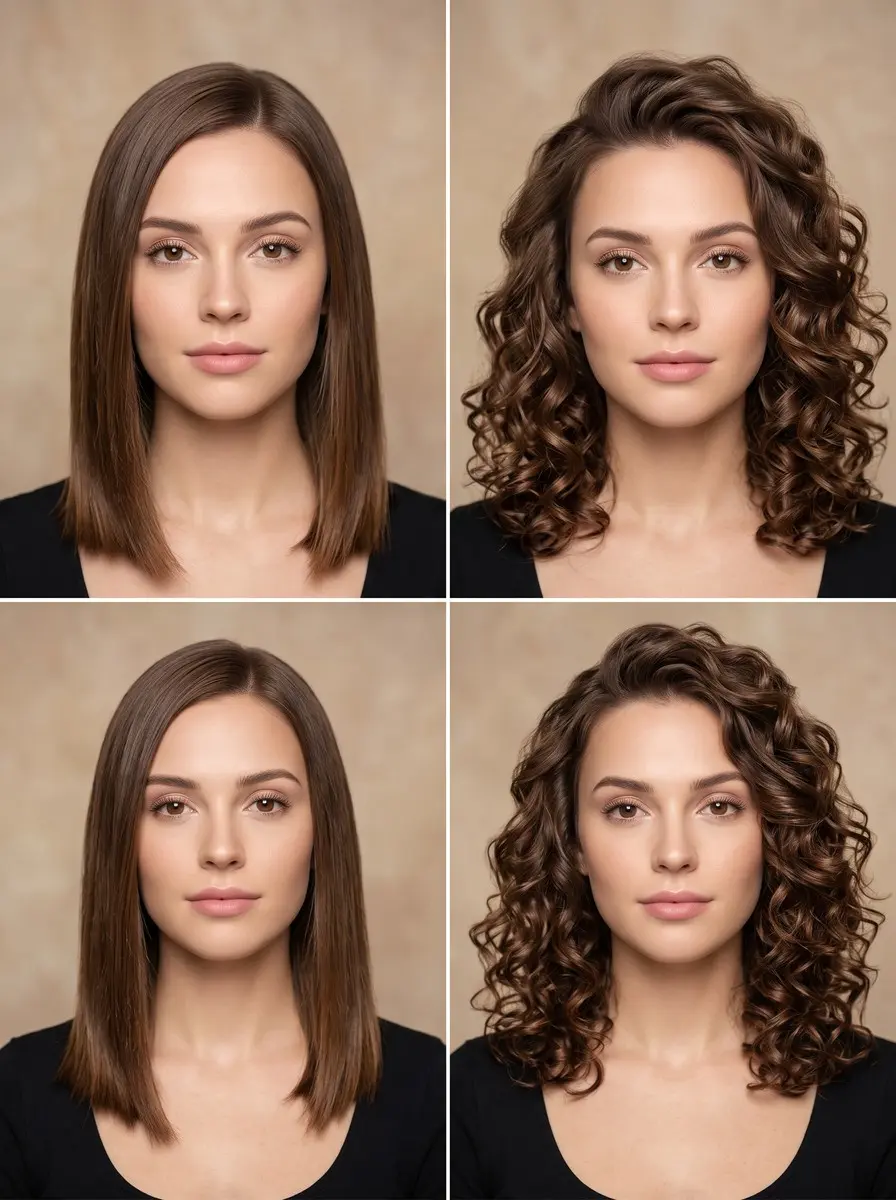
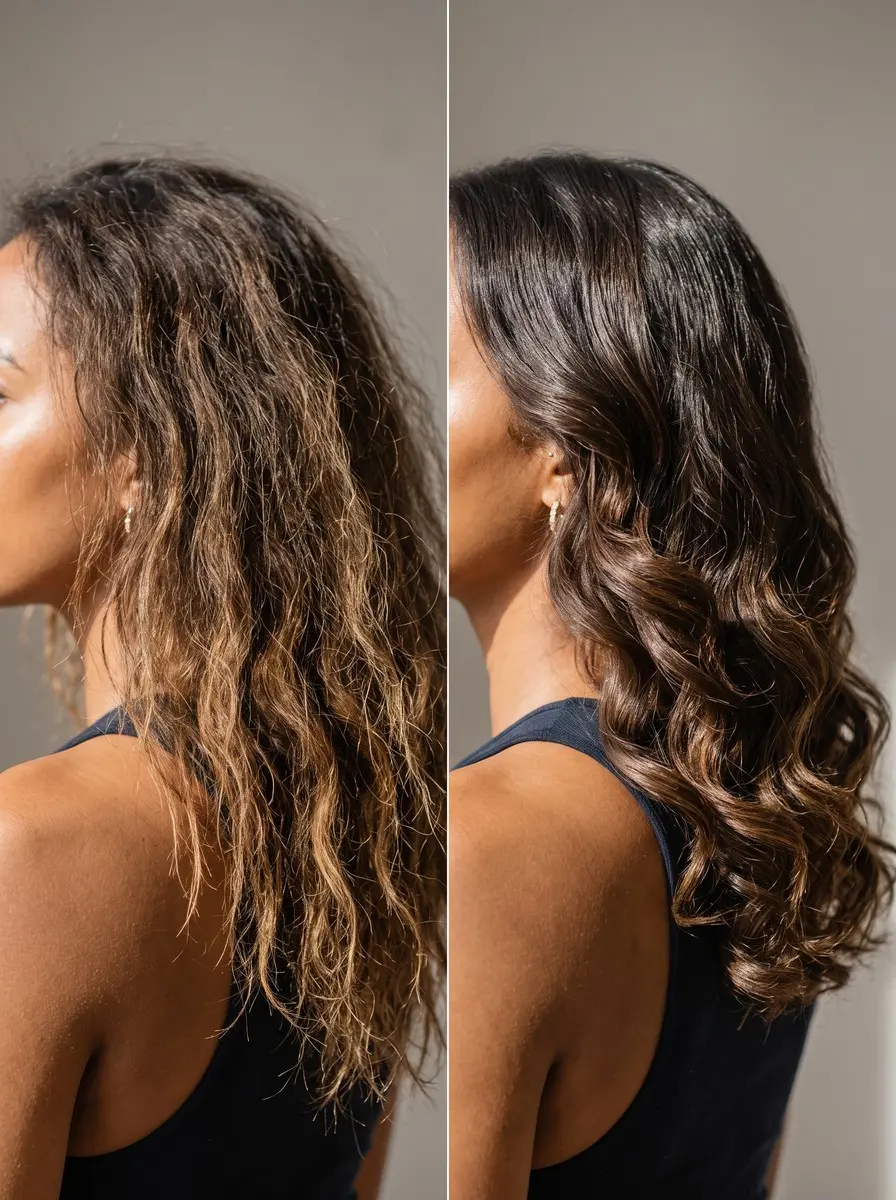
Once hair is dry, judge it by feel first: protein overload is rough, straw-like and stiff with little elasticity and breaks easily, moisture overload is limp, mushy, weighed down and oilier than usual, and simple damage shows as split, see-through ends and breakage concentrated where bleach, heat or friction hit hardest. On curly and coily hair the curl pattern is the early warning, going brittle and frizzy with too much protein and drooping and stretching out with too much moisture, and on any hair the ends can tell a different story from the roots. Then confirm with the strand-stretch test: wet three or four shed strands from your brush, taken from different parts of your head, then pinch each end and pull slowly. Balanced hair stretches a little and springs back or breaks with some resistance, a strand that feels dry and snaps almost immediately points to protein overload, one that stretches very far before it snaps points to moisture overload, and one that gives way at a split or rough spot points to damage. Treat the test as a rough guide, not a lab test, because shed strands carry your oldest ends, wet and dry hair stretch differently and a few strands can’t speak for a whole head, so act only when the test and your symptoms agree.
-
Run a quick porosity check on the same clean, dry hair, because porosity changes how fast your hair tips out of balance and which correction it needs more of. Mist one section at mid-length with a spray bottle and watch: water that beads and sits on top for a minute or more means low porosity, water that soaks in within a few seconds means high porosity, and water that absorbs gradually is normal. Repeat on two or three sections and trust that over the popular strand-in-a-glass float test, which is less reliable because oils and surface tension can keep almost any strand floating. High-porosity hair, common after bleach, colour and regular heat, is more prone to moisture overload and usually needs light protein sooner, while low-porosity hair lets products sit on its surface, so heavy butters and protein masks show up as a stiff, coated feel faster. Write your diagnosis and porosity down as a pair, such as ‘mushy, high porosity’ or ‘stiff, low porosity’, before choosing a reset, and use the porosity half to decide how hard to lean on the matching fix.
-
Gather everything you use and sort it by label, because most of the fix is removing the excess. Protein appears as hydrolyzed keratin, hydrolyzed wheat, rice, soy or silk protein, collagen, and keratin or silk amino acids, with amino acids generally gentler than whole hydrolyzed proteins. Moisture comes from humectants such as glycerin, panthenol, aloe, honey, sodium PCA and hyaluronic acid, while weight comes from oils and emollients such as shea butter, coconut, castor and argan oil, and fatty alcohols like cetearyl alcohol. Ingredients above 1% are listed from most to least, so a protein or butter in the first five matters far more than one sitting beside the fragrance and preservatives; put the products feeding your problem in a separate basket, because that basket is what the reset pauses.
-
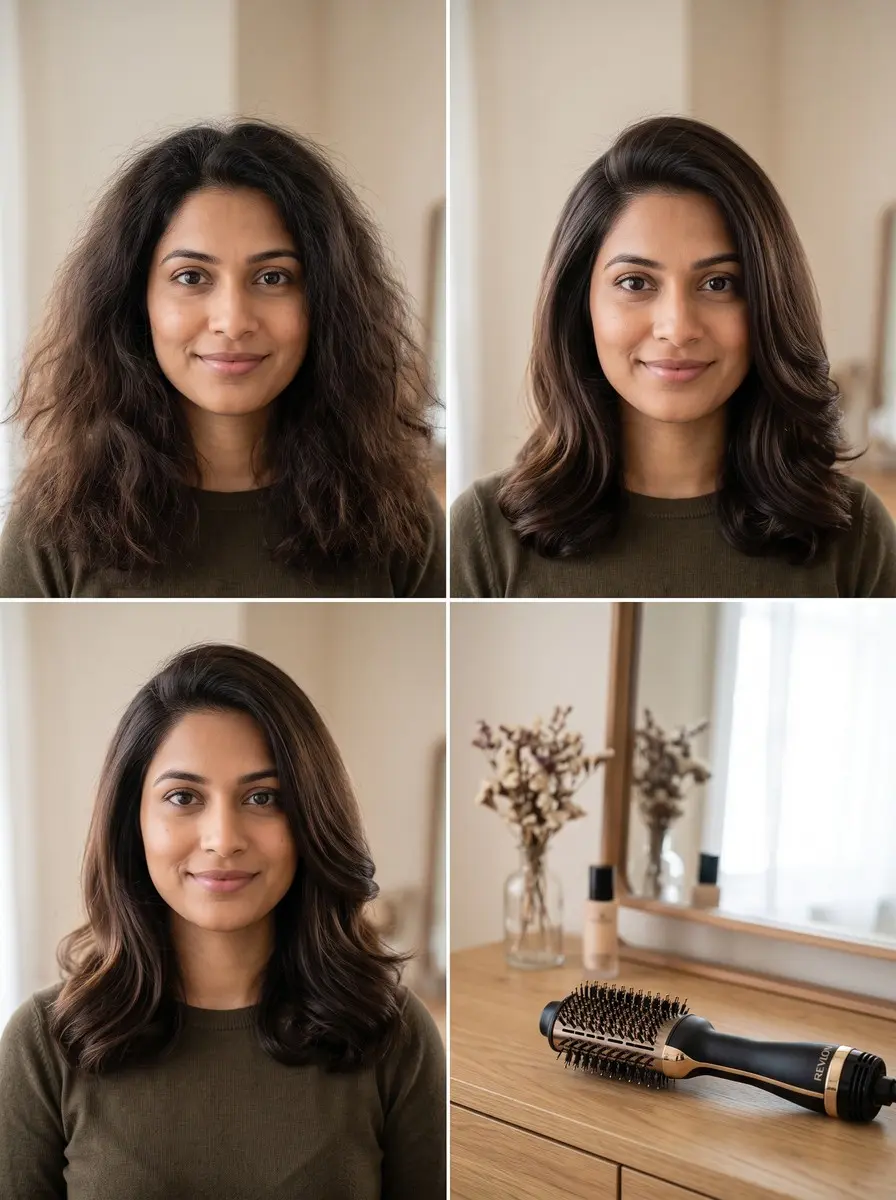
Follow only the reset that matches your diagnosis, this one for protein overload, the next for moisture overload or the one after for damage, and skip the others. If your hair is stiff, straw-like and snaps fast, pause every high-protein product for four weeks: protein masks, protein leave-ins, strengthening sprays and any bond treatment that lists peptides or amino acids. On the first wash day, soak your hair in warm water for a few minutes to soften stiff, coated strands and loosen residue, clarify once, then apply a protein-free, moisture-rich deep conditioner from mid-lengths to ends for 10 to 20 minutes. For the rest of the month, use a gentle shampoo, a slip-rich conditioner every wash and a humectant-based leave-in, and deep condition once a week rather than every wash. You’ll know it’s working when strands stretch a little before they break instead of snapping, and curls start to bend back.
-
If your hair is limp, mushy and oily and the stretch test ran long before it snapped, clarify once to strip the layered conditioners and oils, then spend four weeks cutting the weight: skip heavy leave-ins, butters and oils, and use a lighter conditioner on the lengths only. Go a day or two longer between washes if your scalp allows, since every wash adds another round of water and conditioner to hair that already has too much. Add protein gradually, with a light amino-acid or hydrolyzed-protein treatment once in week one, then every second wash until hair firms up and holds its curl again, which can take longer on high-porosity hair. Squeeze water out with a microfiber towel or cotton T-shirt straight after washing and stop overnight masks, because hygral fatigue, the wear from strands swelling with water and shrinking again over and over, worsens the longer hair stays saturated.
-
If the test pointed to damage, with breaks at split or rough spots and see-through ends, start with a trim of the frayed ends, because splits keep travelling up the strand and no product mends them for good. Then balance instead of swinging: moisture-rich conditioner every wash, a light protein treatment every two to three weeks, and, for bleached or chemically processed hair, a bond-building treatment. Bond builders reduce breakage and add new crosslinks inside the strand, but they don’t rebuild the bonds bleach destroyed, and many contain no protein at all, so check the label before counting one toward your protein. Use masks as the weekly correction and leave-ins as the daily light layer, moisture-based for stiff hair and protein-light for limp hair.
-
After four weeks, or once your hair has felt normal for a couple of wash days, bring paused products back one at a time with one or two washes between each, so you can see which one tips the balance. Re-run the stretch test every few weeks on fresh shed strands, because seasons, colour services and new products all shift what your hair needs. Most balanced routines settle into moisture every wash, light protein every one to three weeks depending on porosity and processing, and a clarifying wash about once a month or whenever hair feels coated. If one product pushes you back into stiff or mushy territory, drop it and note what its label leads with.
Common Mistakes to Avoid
- Switching products every wash without clarifying first, so leftover buildup keeps faking the very symptom you’re trying to fix.
- Reaching for a protein mask because hair is breaking, when strands that already feel stiff and snap instantly need moisture and a break from protein.
- Deep conditioning overnight or leaving hair soaking wet for hours, which keeps strands swollen and invites hygral fatigue.
- Bringing every paused product back at once after a reset, so you can’t tell which one tipped the balance again.
- Trusting one shed strand over what your whole head is doing; test several and act only when the test and your symptoms agree.
Pro Tip
Treat the head in zones: if your ends feel stiff but your roots feel limp, put a moisture mask on the bottom third only and a light protein spray from mid-lengths up, because your ends are the oldest hair and have taken the most wear.
Frequently Asked Questions
How do I know if my hair needs protein or moisture?
Clarify first, then compare how your hair feels with a strand-stretch test. Hair that feels rough and straw-like and snaps almost immediately usually needs moisture and a break from protein. Hair that feels limp or mushy, gets oily fast and stretches very far before snapping usually needs protein, added gradually. Hair that breaks at split or rough spots is damaged and needs a trim.
How long does it take to fix protein overload?
Many people notice softer, bendier hair within one to three wash days of clarifying and using a protein-free deep conditioner. Give the full reset about four weeks before reintroducing protein, then bring products back one at a time with a wash or two between each, so you can see which one pushes your hair back toward stiffness.
What is hygral fatigue, and can deep conditioning cause it?
Hygral fatigue is the wear hair takes from swelling with water and shrinking as it dries, over and over. Long soaks, overnight masks and hours of sitting wet make it worse, especially on high-porosity hair. Deep conditioning for 10 to 20 minutes once a week is fine; just squeeze water out soon after washing and avoid sleeping on soaking-wet hair.
Do bond builders count as protein treatments?
Most don't. Many bond builders work by forming new crosslinks inside the hair rather than depositing protein, so they're unlikely to cause protein overload, though some formulas add peptides or amino acids, so check the label. They reduce breakage on bleached hair but don't rebuild the bonds bleach destroyed, so pair them with a trim and balanced conditioning.
When should I see a stylist or doctor instead of fixing it myself?
Book a stylist if hair breaks off in clumps, feels gummy or stretchy right after bleaching or a chemical service, or still snaps after a full four-week reset; that usually needs a trim and a professional plan. Sudden shedding from the root, bald patches or a sore, flaky scalp point to a scalp or health issue, so see a dermatologist or doctor.
You Might Also Like
- 20 curly butterfly haircut ideas to inspire your next look
- 20 two-strand twist ideas to inspire your next look
- curly hair wash day routine
- air-dry hair without frizz
- moisture routine for coarse, wiry hair
- cold-weather routine for dry hair
- flat iron temperature guide
Balancing protein and moisture is mostly subtraction: clarify, diagnose, pause whatever your hair has had too much of, then bring products back slowly. Once strands stretch a little and spring back, hold them there with moisture every wash, light protein every one to three weeks and a monthly clarifying wash. If you heat style, use a heat protectant, put flat irons and curling irons on completely dry hair only, and cap them around 150C/300F for fine or bleached hair or 180-200C/355-390F for coarse hair.
See a stylist if hair breaks in clumps, turns gummy after bleaching or hasn’t improved after a full reset. Sudden shedding from the root is a job for a dermatologist or doctor.
Sources
- Protein overload: rough, straw-like hair with little elasticity that breaks easily and loses curl pattern. A stretched strand feels dry and snaps almost immediately. us.davines.com