Quick answer To clarify curly hair, wet and section it, massage a clarifying shampoo into your scalp and roots, leave it on for a few minutes, then rinse thoroughly and follow with a deep conditioner. Do it once or twice a month; use a chelating formula for hard water.
If your curls have gone dull and limp, your gel sits on top like a film, and even a fresh wash leaves them feeling coated, the problem usually isn’t your routine. It’s what your routine leaves behind. Butters, oils, silicones, gels and the calcium and magnesium in hard water build up on curly strands over weeks, and a gentle everyday shampoo isn’t made to lift all of it. Clarifying is the occasional reset that does.
Here is how to clarify curly hair at home without drying it out. First you’ll check whether you actually have buildup, because dry hair needs the opposite treatment.
Then you’ll choose between sulfate-based, sulfate-free and chelating formulas, wash in a way that cleans the scalp without tangling your lengths, put moisture back with a deep conditioner, and set a schedule that suits your hair and your water. It takes one wash day in your own shower.
Time 45-60 minutes, including deep conditioningDifficulty BeginnerSteps 8
How Often to Clarify Curly Hair
| Your situation | How often | Best clarifier |
|---|---|---|
| Light products, soft water | Once a month | Sulfate-free clarifier |
| Heavy products or low porosity | Every 2 weeks | Sulfate-based; sulfate-free if colored |
| Hard water | Every 2-4 weeks | Chelating shampoo |
| Regular swimmer | Weekly in swim season | Chelating shampoo |
| Dry, high porosity, colored or bleached | Monthly or less | Mild sulfate-free |
What You’ll Need
As an Amazon Associate, HairAide earns from qualifying purchases. Product links in this guide are affiliate links: they cost you nothing extra and help keep these tutorials free.
- Sulfate-based clarifying shampoo The strongest option for lifting heavy butters, oils and silicone stylers off uncolored, resilient curls.
- Sulfate-free clarifying shampoo Removes everyday product residue with less stripping, so it suits colored, bleached or dry curls.
- Chelating shampoo Its chelating agents bind the calcium, magnesium and pool minerals that ordinary cleansers leave behind.
- Deep conditioner Puts moisture back right after clarifying, which keeps curls soft instead of stripped.
- Hair sectioning clips Hold four sections apart so the clarifier reaches the scalp and roots underneath.
Step-by-Step
Step 1 Check for signs of buildup
Before you reach for a clarifier, make sure buildup is really the problem. The classic signs are curls that look dull and limp, products that sit on top instead of absorbing, strands that feel coated or waxy near the roots, and a residue your regular shampoo won’t remove.
Curls that stop clumping the way they used to are another common clue. Dry hair is different: it feels rough or straw-like and soaks up product fast, and clarifying it would only make it drier. If two or more of the buildup signs fit, you’re ready to clarify.
Step 2 Pick the right clarifier
Match the formula to what has built up, because each type removes something different. A sulfate-based clarifying shampoo is the strongest choice for heavy butters, oils and silicone stylers on uncolored, resilient curls. A sulfate-free clarifier uses milder cleansers that lift everyday product residue with less stripping, so it suits colored, bleached or dry curls.
If you have hard water or swim often, choose a chelating shampoo. Calcium and magnesium settle on hair, and chelating agents such as disodium EDTA or sodium phytate bind those minerals so they rinse away, which ordinary cleansers don’t reliably do.
Step 3 Soak and section your curls
Wet your hair until it is fully saturated. On thick or coated curls this takes longer than you’d expect, so give it a full minute or two under the shower. Divide it into four sections (two is enough for shorter or looser curls) and clip each one out of the way.
Sectioning lets the clarifier reach the scalp and roots underneath, where oil and product collect most, instead of cleaning only the top layer. Gently finger-detangle any big knots now, because freshly clarified hair has less slip and tangles more easily later.
Step 4 Massage the clarifier into your roots
Work one section at a time. Apply a quarter-sized amount of clarifier straight to the scalp and massage it in with the pads of your fingers, not your nails. Concentrate on the scalp and the first few inches of root, where buildup is heaviest, and let the lather run down the lengths rather than piling your curls on top of your head and scrubbing.
Squeeze the suds gently through the mid-lengths and ends, which cleans them without knotting them. If the lather is thin, the cleanser is usually tied up with residue, and a second, smaller application will foam more.
Step 5 Leave it on, then rinse thoroughly
Leave the clarifier on for a few minutes. Three to five is typical, but follow the label, especially on chelating formulas that give a specific time. That contact time lets the cleansers or chelating agents work through the residue instead of rinsing away halfway through the job.
Rinse for at least a minute or two, lifting each section so water reaches the scalp underneath. You’re done when the water runs clear, the roots feel clean rather than slick, and no suds are left at the nape or behind the ears.
Step 6 Follow with a deep conditioner
Don’t skip this step. A clarifier strips natural oils along with the residue, so curls need moisture back straight away. Squeeze out the excess water, then work a generous amount of conditioner or deep conditioner through the mid-lengths and ends, finger-combing until each section feels slippery.
Leave a deep conditioner on for the time on the label, often 10 to 20 minutes under a shower cap, then rinse. If you clarified with a clay mask, condition afterward too, because clay can leave curls drier than you’d expect.
Step 7 Restyle with a lighter hand
Apply your usual leave-in and styler, but start with less than normal. Freshly clarified hair has nothing coating it, so product shows quickly. Add more only where a section looks frizzy or undefined.
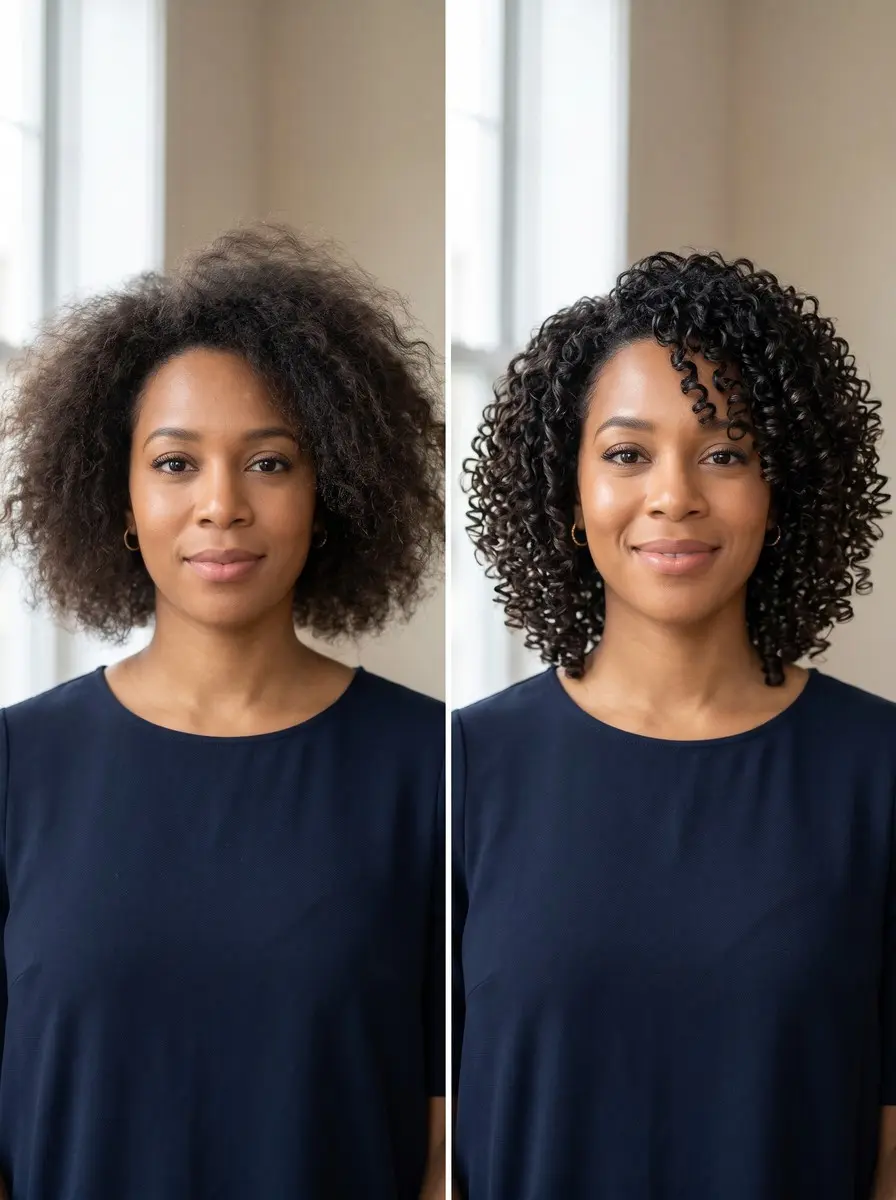
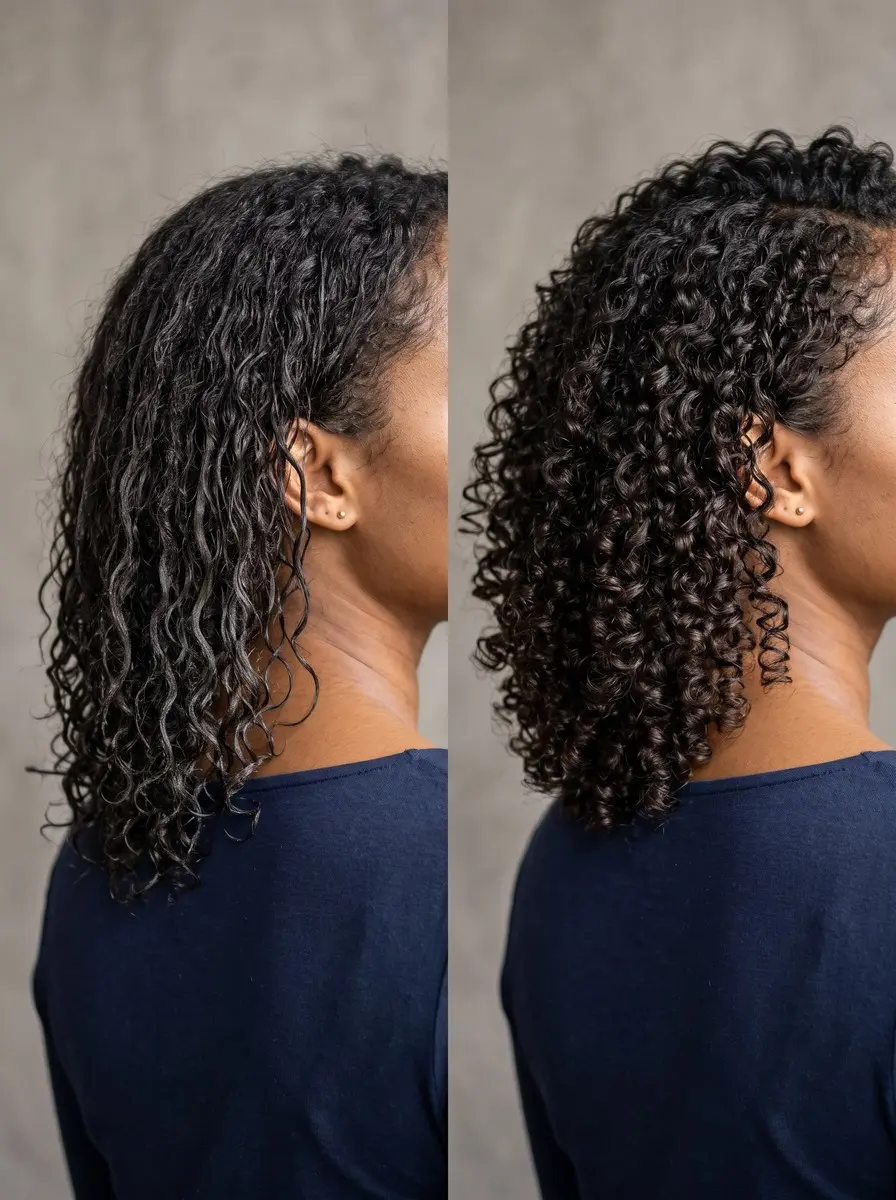
Air-dry or diffuse as usual, then judge the result: curls should clump and spring back, products should absorb instead of sitting on top, and the shine should be back. If your hair feels rough or straw-like, it needs more moisture next time. If it’s still limp, hard-water minerals may be the cause, so try a chelating shampoo.
Step 8 Set your next clarifying date
Most curls do well clarifying once or twice a month. Go every 2 weeks if you layer heavy gels, butters or silicones or have low-porosity curls that show buildup quickly, and once a month if you use light products and have soft water.
On hard water, use a chelating shampoo every 2-4 weeks, and regular swimmers can use one weekly during swim season. Dry, high-porosity, colored or bleached curls should go monthly or less, with a mild sulfate-free formula.
Published advice ranges from weekly to monthly, so treat these as starting points, adjust them to the signs from the first step, and use a co-wash or sulfate-free shampoo on the wash days in between.
Common Mistakes to Avoid
- Clarifying hair that’s actually dry. Rough, straw-like curls that soak up product need moisture, not a stronger wash.
- Piling the hair on top of your head and scrubbing the lengths, which knots curls. Focus on the scalp and roots and squeeze the suds through the ends.
- Skipping conditioner afterward, or treating a clay mask as the whole fix. Clay can leave curls drier than expected.
- Using a strong sulfate clarifier every week on colored or bleached curls, which fades color and dries the ends. Go monthly or less with a mild sulfate-free formula.
- Expecting a regular clarifier to remove hard-water or pool minerals. That job needs a chelating shampoo.
- Rinsing in a hurry, which leaves clarifier at the nape and behind the ears.
Pro tip If your curls go limp again within a week of clarifying, check your products before you change your schedule. One heavy butter, oil or silicone styler is usually the culprit, and swapping it is gentler on your hair than clarifying more often.
The Bottom Line
Done right, clarifying brings back curls that clump, bounce and shine, and products that actually absorb. Start from once or twice a month, use a co-wash or sulfate-free shampoo in between, and let the buildup signs, not just the calendar, tell you when it’s time. If you diffuse after clarifying, mist a heat protectant through damp hair first.
See a stylist if your curls stay limp or rough after a clarify and a deep condition, if your color is fading fast, or if mineral buildup from hard water or a pool keeps coming back. A salon chelating treatment can reset hair that home care hasn’t fixed. Ongoing flaking or itching is a scalp issue for a dermatologist, not something a clarifier will solve.
Frequently Asked Questions
How often should you clarify curly hair?
Most curly hair does well clarifying once or twice a month, with a co-wash or sulfate-free shampoo on other wash days. Published advice ranges from weekly to monthly, so adjust to your hair: every 2 weeks for heavy product users or low-porosity curls, monthly or less for dry, colored or bleached hair, and weekly in swim season for regular swimmers.
Is clarifying shampoo bad for colored or bleached curly hair?
You can still use it, but use it less often and choose a milder formula. Clarifiers can fade deposit-only color and toner faster, so stick to monthly or less with a mild sulfate-free clarifier, and avoid it for the first week or two after a gloss. Bleached and colored hair also picks up more hard-water minerals, so a gentle chelating shampoo helps on hard water.
What's the difference between a clarifying shampoo and a chelating shampoo?
A clarifying shampoo uses strong cleansers to remove product residue, oils and silicones. A chelating shampoo adds ingredients such as EDTA that bind calcium, magnesium and other minerals from hard water or pools so they rinse away. Many chelating shampoos also clarify, but a standard clarifier won't reliably remove mineral buildup, so choose chelating if you have hard water or swim often.
Can clarifying shampoo get rid of dandruff?
No. A clarifier removes product and mineral residue, so it can clear white gel flakes or a waxy film at the roots, but it isn't a dandruff treatment. Flaking, itching or redness that comes from the scalp itself is a separate issue. If it doesn't go away, see a dermatologist or doctor rather than clarifying more often.
How can you tell if you're clarifying too often?
If your curls feel rough, straw-like or frizzy and tangle easily after clarifying, you're stripping too much. Leave longer between sessions, switch to a sulfate-free clarifier, and deep condition for longer. If your curls stay clean and bouncy for a week or two before going limp again, your schedule is about right.
Keep Reading
Sources
- How to clarify curly hair curlcentric.com