Quick answer To use henna on hair, mix pure body-art-quality henna powder with a mildly acidic liquid, let the dye release for several hours, then apply it to clean hair in sections, wrap it and leave it about four hours. For brown or black, follow with indigo.
Using henna on hair is one of the few ways to color it at home with a single plant, and the method rewards patience: the copper and auburn tones henna leaves are rich, glossy and permanent. It also has a reputation for going wrong.
People end up with neon orange when they wanted brown, a green cast from indigo used on its own, a reaction to ‘black henna’, or a colorist who won’t bleach over it months later. Almost every one of those stories comes back to the wrong product or a skipped step.
This guide covers the method that avoids those problems. You’ll learn what color henna will actually give your starting shade, how to buy pure body-art-quality powder, and how to patch-test and strand-test.
Then it walks through mixing and timing the paste and adding indigo when you want brown or black. The tests start a few days ahead, and color day takes an afternoon or longer, most of it waiting. You can do all of it at home.
Time About 5-6 hours on color day (7-8 with the indigo step), plus a dye release of several hours or overnight before; start the tests 4 days ahead, because the test batch needs its own dye-release waitDifficulty IntermediateSteps 8
What Henna Gives Each Starting Shade
| Starting shade | Henna alone | For brown or black |
|---|---|---|
| Gray or white | Bright orange, deepening to copper in 2-3 days | Henna, then indigo |
| Blonde | Copper to orange-red | Henna, then indigo |
| Light to medium brown | Auburn or red-brown | Henna, then indigo |
| Dark brown or black | Red glints in sunlight | Henna, then indigo |
What You’ll Need
As an Amazon Associate, HairAide earns from qualifying purchases. Product links in this guide are affiliate links: they cost you nothing extra and help keep these tutorials free.
- Body-art-quality henna powder Pure, finely sifted henna makes a smooth paste and an even red-orange color, with no PPD or metallic salts.
- Pure indigo powder This is the second step for brown or black: its blue combines with the henna base to turn the orange brown.
- Clarifying shampoo It removes conditioner and product film so the paste reaches every strand evenly.
- Hair color kit with nitrile gloves, plastic bowl and tint brush Gloves keep henna off your hands and nails, and a wide brush makes thick paste easier to section and spread.
- Shea butter or petroleum jelly A barrier along the hairline, ears and nape stops henna and indigo from staining your skin for days.
Step-by-Step
Step 1 Predict your result from your starting shade
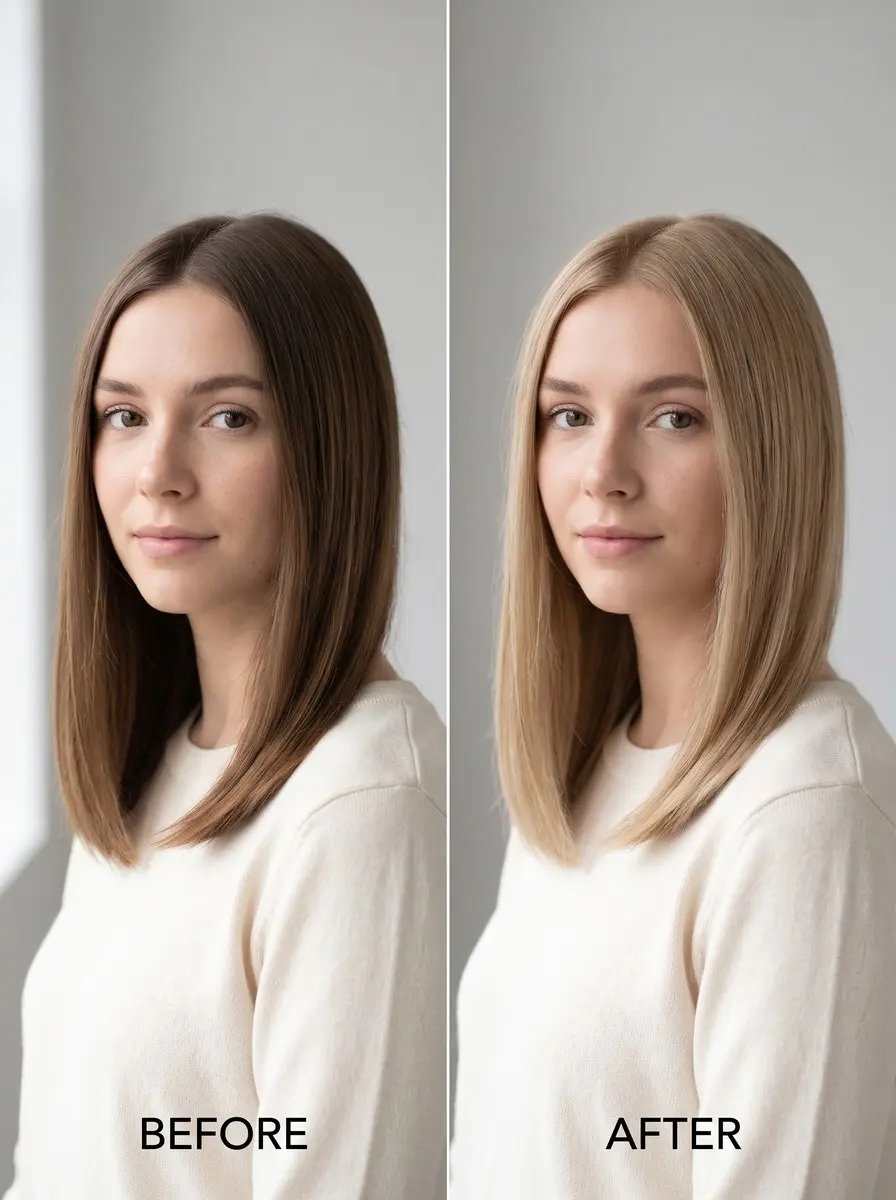
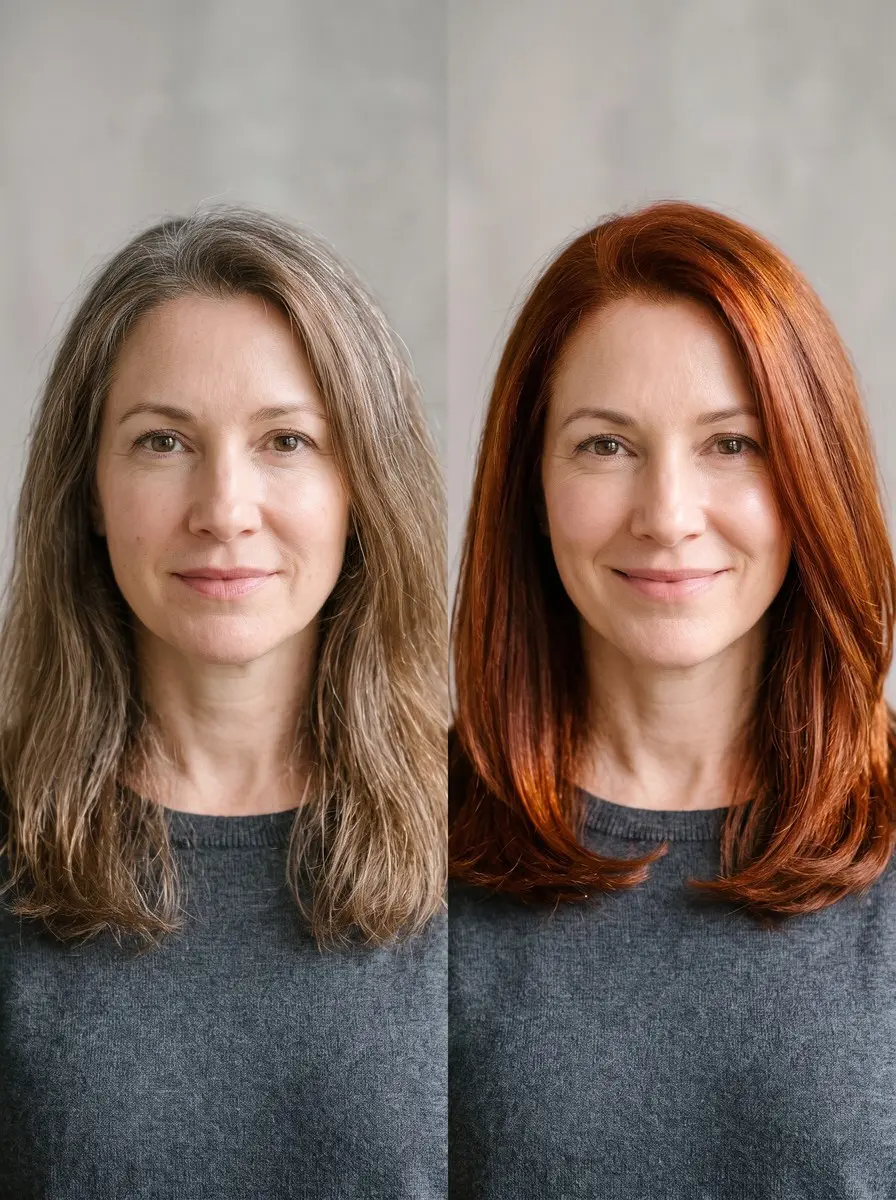
Henna only adds color. Its dye, lawsone, binds to the keratin in your hair and lays a see-through red-orange over the shade you already have, so it can never make hair lighter. On gray or white hair it starts bright orange and deepens to copper over 2-3 days.
Blonde turns copper to orange-red, and light to medium brown becomes auburn or red-brown. Dark brown or black shows red glints in sunlight but otherwise changes very little. If you want brown or black rather than red, plan from the start on the two-step method: henna followed by indigo.
Step 2 Choose pure body-art-quality henna
Turn the package over before you buy. The only ingredient listed should be Lawsonia inermis (henna leaf powder). Body-art-quality henna is finely sifted and rich in dye, so it makes a smoother paste and a more even color.
Avoid anything sold as ‘black henna’: it contains PPD, a synthetic dye that can raise your risk of allergy to hair dyes. Also skip compound hennas that contain metallic salts, because they can react badly with peroxide color later.
Pure henna only makes red-orange, so a ‘henna’ that promises brown, black or burgundy is either a plant blend with indigo (fine if every ingredient is a plant) or contains synthetic dye, and the label tells you which. Henna itself is an FDA-approved color additive for hair.
Step 3 Patch-test and strand-test a small batch
Start four days before you plan to color, because the test batch needs the same dye-release wait as the full one. Stir about a tablespoon of henna powder with lemon juice diluted with water, adding it a few drops at a time, until the paste is as thick as yogurt.
Then cover it and leave it at room temperature for several hours or overnight. Paste that hasn’t released its dye barely stains, so a test run too early would show a paler shade than you’ll really get. It’s ready when a dab on your palm leaves an orange mark within a few minutes.
For the skin test, dab the paste behind your ear or inside your elbow, along with indigo mixed with warm water just before use if you plan to use it. Let it dry and leave the spot unwashed for 48 hours or as long as the package says, watching for itching, redness or swelling.
The FDA advises a patch test every time you dye, and a clean result doesn’t guarantee you won’t react. For the strand test, coat a lock of hair from your brush or a small snip from underneath, wrap it for about four hours, rinse it, and judge the color 48 hours later, when you read the patch test.
If you’re going brown or black, coat a second hennaed lock with indigo right after rinsing it, wrap it for about an hour and rinse until the water runs clear. The skin test checks sensitivity, and only the strand test shows your shade.
Step 4 Mix the paste and let dye release
Mix the full batch the same way as your test batch, scaled up, the day or evening before you color. Stir the powder with a mildly acidic liquid, such as lemon juice or apple cider vinegar diluted with water. Add the liquid a little at a time until the paste is as thick as yogurt: thin enough to spread, thick enough not to drip.
As a rough guide, use 100 g of powder for a short cut, 200 g for shoulder length and 300 g or more for long or thick hair. Press plastic wrap onto the surface and leave the bowl at room temperature for several hours or overnight.
The lawsone has to be released from the crushed leaf before it can stain, and the mild acidity helps that happen. The paste is ready when the surface has darkened from green to brown and a dab on your palm leaves an orange mark within a few minutes.
Step 5 Prep clean hair and protect your hairline
Wash with a clarifying or plain shampoo, and skip conditioner, oils and styling products. Any film left on the strands keeps the paste from touching them evenly, which leaves patchy color. Towel-dry until your hair is damp, not dripping.
Smooth petroleum jelly or shea butter along your hairline, over your ears and across the nape. Henna and indigo stain skin for days, and this barrier keeps the color on your hair. Put on gloves, wear an old shirt and cover the sink and floor, because the paste also marks grout, towels and light surfaces.
Step 6 Apply in sections, wrap and wait
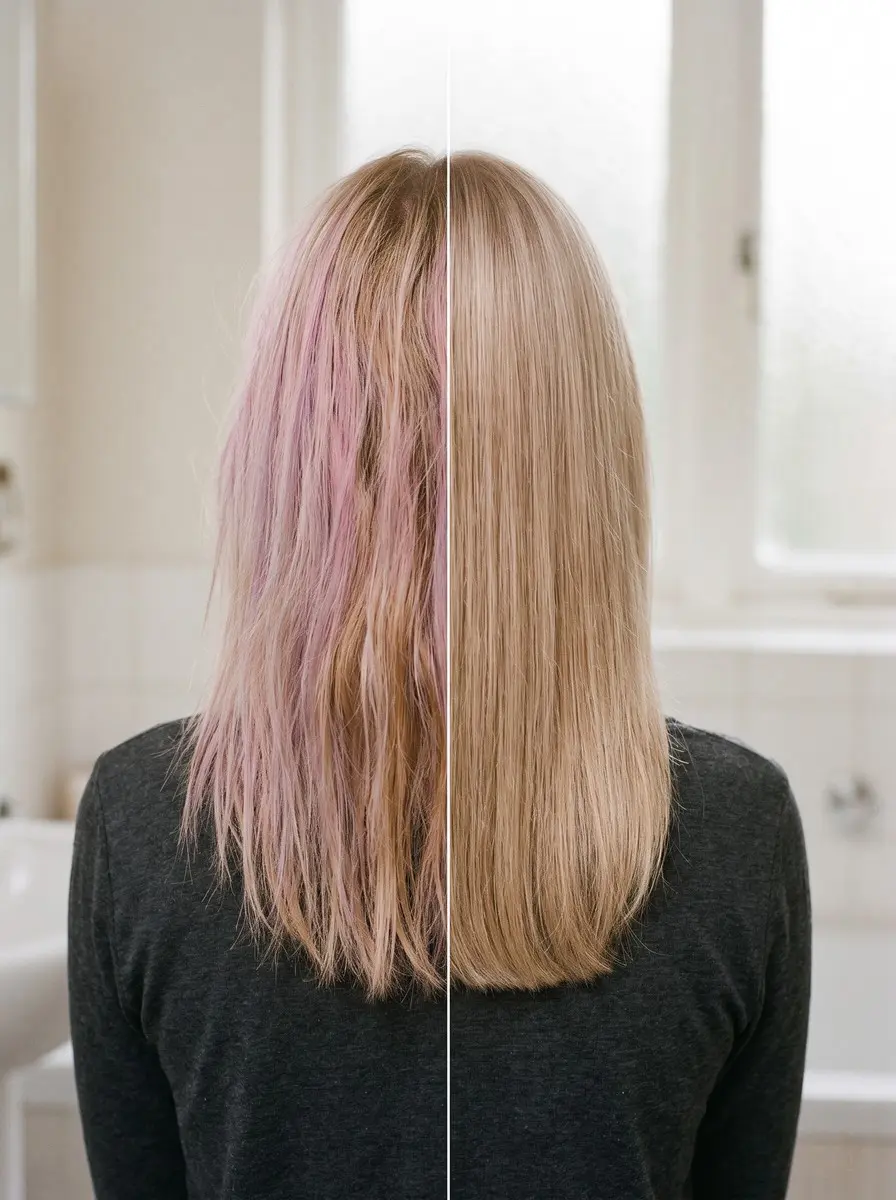
Divide your hair into four sections, then work through each one in thin slices, laying the paste on thickly from roots to ends. Henna only colors the hair it touches, so thin or missed patches show up as lighter streaks.
Start where grays or roots show most, because the hair you coat first gets the longest contact. When every strand is covered, pile your hair on top of your head and wrap it snugly in plastic wrap or a shower cap.
Leave it about four hours. The exact time depends on your hair type and porosity, so follow the timing that worked in your strand test. The wrap keeps the paste moist, and paste that dries out stops releasing dye and crumbles.
Step 7 Rinse and add indigo for dark shades
Rinse the henna out with lukewarm water and a little conditioner, no shampoo, until the water runs clear. If you want brown or black, mix indigo powder with warm water to the same yogurt-like texture right before you use it.
Indigo needs no dye-release wait and gets weaker the longer it sits mixed. Apply it the same way, either straight away or within 72 hours of the henna, and wrap it for about an hour. This works because indigo’s blue goes over henna’s orange and the two combine into brown or black.
On its own over light or gray hair, indigo leaves a green cast. Rinse with water and a little conditioner until the water runs clear, which usually takes several rinses, then check the color in daylight once your hair is dry.
You’re done when it matches the deep, even brown of your indigo strand test, allowing for a few days of further deepening. If it settles redder than the test, a second indigo coat within the same 72-hour window darkens it. More henna would only add red.
Step 8 Let it develop, then retouch roots
Wait 24 to 48 hours before shampooing, and judge your color on day three rather than in the shower. Henna keeps oxidizing and deepening for two to three days, and fresh indigo can keep darkening for a few days too. Henna is permanent and cumulative: each application builds on the last, and none of it lifts or washes out.
Hair grows about half an inch a month, so when new growth shows, put paste on the roots only. Re-coating the lengths every time slowly makes them darker than your roots. If henna leaves your lengths feeling dry, use a hair mask on them between touch-ups.
Common Mistakes to Avoid
- Buying ‘black henna’ or a compound henna without reading the label. PPD and metallic salts are the ingredients behind skin reactions and failed bleach jobs.
- Putting indigo on its own over light, gray or unhennaed hair and getting a green cast instead of brown.
- Panicking about bright orange right after rinsing. Henna deepens over two to three days, so judge the color on day three.
- Putting henna on the full length at every touch-up. The layers stack until the ends are far darker than the roots.
- Skipping the wrap and letting the paste dry out, which stops the dye transferring and leaves patchy color.
- Bleaching or box-dyeing over henna without a strand test first.
Pro tip Before any bleach or permanent color over henna, ask your colorist for a metallic-salts test. A few snipped strands soaked in a peroxide mixture will heat up, fizz or discolor if there’s compound henna in your hair, and you want that warning before color goes on your whole head.
The Bottom Line
Done carefully, henna gives a rich, permanent copper. Add indigo and you get a deep brown to black that gets richer and glossier with every root touch-up. The two tests matter most: do the patch test every time, and do a strand test whenever you change your powder or method. After that, upkeep is just roots-only touch-ups as regrowth shows, plus a mask when your lengths feel dry.
See a professional instead if you’ve had any reaction, if you want to go lighter, or if you’re planning bleach, a perm or a relaxer over hennaed hair. Tell the colorist exactly what you used (pure henna, indigo or a blend) so they can strand-test before working on your whole head.
Frequently Asked Questions
Does henna cover gray hair?
Yes. Gray and white hair take henna readily, but henna alone turns them bright orange, which deepens to copper over two to three days. On salt-and-pepper hair the grays usually end up a brighter copper than the rest, which looks like highlights. For brown or black coverage, follow the henna with indigo, and strand-test first to see how your grays take it.
Can you dye or bleach hair after using henna?
You can, but the results are unpredictable, so strand-test with the exact product first and tell your colorist you've used henna. Color removers don't take out pure henna, and bleach tends to stop at brassy orange. Compound henna with metallic salts can react with peroxide and damage hair. A darker permanent dye usually shows over henna, but a lighter one won't.
How long does henna last on hair?
Henna is permanent. It doesn't wash out, and it stays until the hair grows out or is cut off. The bright copper may soften a little over the first few weeks, but the stain remains, and each new application builds on it. Hair grows about half an inch a month, so regrowth usually shows within one to two months (sooner against gray), and that's when to touch up the roots.
Who should not use henna on their hair?
Skip henna if you've ever reacted to henna, hair dye or a 'black henna' tattoo, or if your scalp is broken or irritated. It's also a poor choice if you plan to go lighter or get a perm, relaxer or other chemical service soon, because it's permanent and can make those results unpredictable. People with G6PD deficiency should check with a doctor first.
Why did indigo turn my hair green?
Indigo leaves a blue tone, and on light, gray or henna-free hair that blue looks green. That's why indigo goes on after henna: the orange base and the blue combine into brown or black. If a strand has gone green, putting henna over it will usually warm it back toward brown. Test that on a hidden strand before doing your whole head.
Keep Reading
Sources
- Hair dyes fda.gov
- Complete guide how to color your hair with henna and indigo hennasooq.com
- How to mix henna indigo for dark brown curls naturallycurly.com