Quick answer To pre-poo curly hair, section dry hair into 4–8 parts, coat the lengths with a conditioner, oil, butter or aloe gel, detangle each section with a wide-tooth comb, leave it on at least 30 minutes or overnight under a satin scarf, then shampoo and condition.
If your curls come out of the shower feeling squeaky, knotted and rougher than when they went in, the problem often starts before the shampoo does. Shampoo is designed to lift oil and buildup, and on dry, curly or chemically treated hair it can also strip the lengths that needed that oil most.
Then you detangle wet, swollen strands that snag at every knot. Learning to pre-poo curly hair fixes that: a conditioning treatment applied to dry hair before you wash puts slip and cushion on the strands first, so washing and detangling cause less breakage.
The advice online is all over the place: twenty minutes, an hour, overnight, coconut oil, conditioner, even a leave-in. Below, you’ll learn which bases work and why a leave-in doesn’t, how to choose between a 30-minute session and an overnight one, and who should go lighter or skip the step entirely. All you need is a bowl, some clips and a wide-tooth comb.
Time 45 minutes to overnight (about 15 minutes hands-on)Difficulty BeginnerSteps 8
Pre-Poo Base and Timing by Hair Type
| Hair type | Best base | How long |
|---|---|---|
| Fine or low porosity | Argan or almond oil, or conditioner, on ends | 30–60 minutes |
| Oily scalp | Conditioner or aloe, lengths only | 30 minutes, or skip |
| Medium porosity waves and curls | Conditioner or mask, plus a few drops of oil | 30–60 minutes |
| High porosity, coarse or very dry | Shea butter, olive or avocado oil | 30 minutes to overnight under satin |
What You’ll Need
As an Amazon Associate, HairAide earns from qualifying purchases. Product links in this guide are affiliate links: they cost you nothing extra and help keep these tutorials free.
- Cold-pressed argan or coconut oil Gives dry strands slip and cushion so they comb and wash with less breakage.
- Unrefined shea butter A heavier base for high-porosity, coarse or very dry curls, and the best choice for overnight sessions.
- Wide-tooth detangling comb Separates knots in each coated section without snapping strands.
- Satin hair scarf or bonnet Keeps an overnight pre-poo off your pillow and holds the twists in place.
- Gentle sulfate-free shampoo Removes the pre-poo at the scalp without stripping the lengths you just protected.
Step-by-Step
Step 1 Decide whether your hair needs it
Before you buy anything, read your hair. If your lengths feel dry, tangle easily on wash day or turn frizzy and rough after shampooing, a pre-poo will help. If your hair is fine and gets weighed down easily, you may only need a light version on the ends.
If your scalp gets oily within a day, use a conditioner or aloe vera gel on the lengths only for about 30 minutes, or skip the step altogether.
A quick porosity read helps too: hair that soaks through slowly and takes a long time to dry tends to be low porosity and lets heavy products sit on top, while hair that wets and dries fast tends to be high porosity and can take richer products. This choice decides your base and your timing, so make it first.
Step 2 Choose a base, not a leave-in
Pick a rinse-out conditioner, a deep-conditioning mask, an oil (coconut, avocado, almond, argan or olive), a butter (shea, mango or cocoa), or pure aloe vera gel. These bases bring slip and enough weight to cushion the strand while you comb and wash.
A leave-in is the wrong tool: it is made to be light enough to stay on all day, so it offers less slip than a rinse-out conditioner and you’re paying for a styling product that goes straight down the drain.
As a rule of thumb, low-porosity and fine hair do best with light oils like argan or almond, or a plain conditioner. Medium-porosity waves and curls usually do well with a conditioner or mask plus a few drops of oil. High-porosity, coarse or very dry curls can take butters and heavier oils like shea, olive or avocado.
Step 3 Section dry hair into parts
Start with dry or barely misted hair, not soaking wet. Oils and butters spread poorly over water, and wet curls snag more than dry ones. Divide your hair into 4 to 8 sections depending on its thickness, and twist or clip each one out of the way.
Four sections are enough for medium-density waves. Dense, tightly coiled hair is easier to handle in six to eight. Sections that are small enough to see through mean every strand gets coated and you are never forcing a comb through a mass of hair. You’re ready when every section is separated and secured.
Step 4 Coat the lengths from the ends up
Unclip one section and work your product in from the ends upward, since the oldest, most weathered hair is at the tips and needs the most protection. Use enough that the section feels slippery and evenly coated without dripping. That’s usually a walnut-sized amount of conditioner or a few pumps of oil per section, less for fine hair.
Keep heavy oils and butters off the scalp if it gets oily, and stick to conditioner or aloe on the lengths instead. Only work product into the roots if your scalp feels dry and tight. The section is done when it feels slick from mid-length to ends with no dry patches.
Step 5 Detangle each section gently
While the product is still slippery, detangle each section with a wide-tooth comb, starting at the ends and working up toward the roots in small strokes. The pre-poo lets knots slide apart instead of snapping, and removing tangles now means you’re not fighting them under the shower once the hair is wet and weaker.
If you hit a stubborn knot, add a little more product and separate it with your fingers before combing again. When the comb glides from root to tip without catching, re-twist the section and move to the next.
Step 6 Leave it on short or overnight
Leave the pre-poo on for at least 30 minutes so the product has time to coat the strands thoroughly. Fine, low-porosity and medium-porosity hair do best with 30 to 60 minutes, and that window also suits any day you’re short on time.
An oily scalp needs only about 30 minutes on the lengths. Very dry, coarse, high-porosity or tightly coiled hair can benefit from leaving it overnight. If you do, use an oil or butter base and cover your hair with a satin scarf or bonnet to protect your pillowcase and keep the twists in place.
Longer is not better for fine or low-porosity hair, which tends to feel greasy or limp after a long soak, so stay within 30 to 60 minutes if that sounds like you.
Step 7 Emulsify, then shampoo and condition
Before turning on the water, smooth a small amount of shampoo or conditioner over the oiled lengths. This helps break up the oil so it rinses away instead of beading on the strand.
Wet your hair, then shampoo mainly at the scalp and let the suds run down the lengths, which is enough to lift the pre-poo without stripping the ends again. After a heavy oil or butter, a second light shampoo at the scalp may be needed. Finish with your usual conditioner, rinse thoroughly, and style as normal.
Step 8 Check the finish and adjust
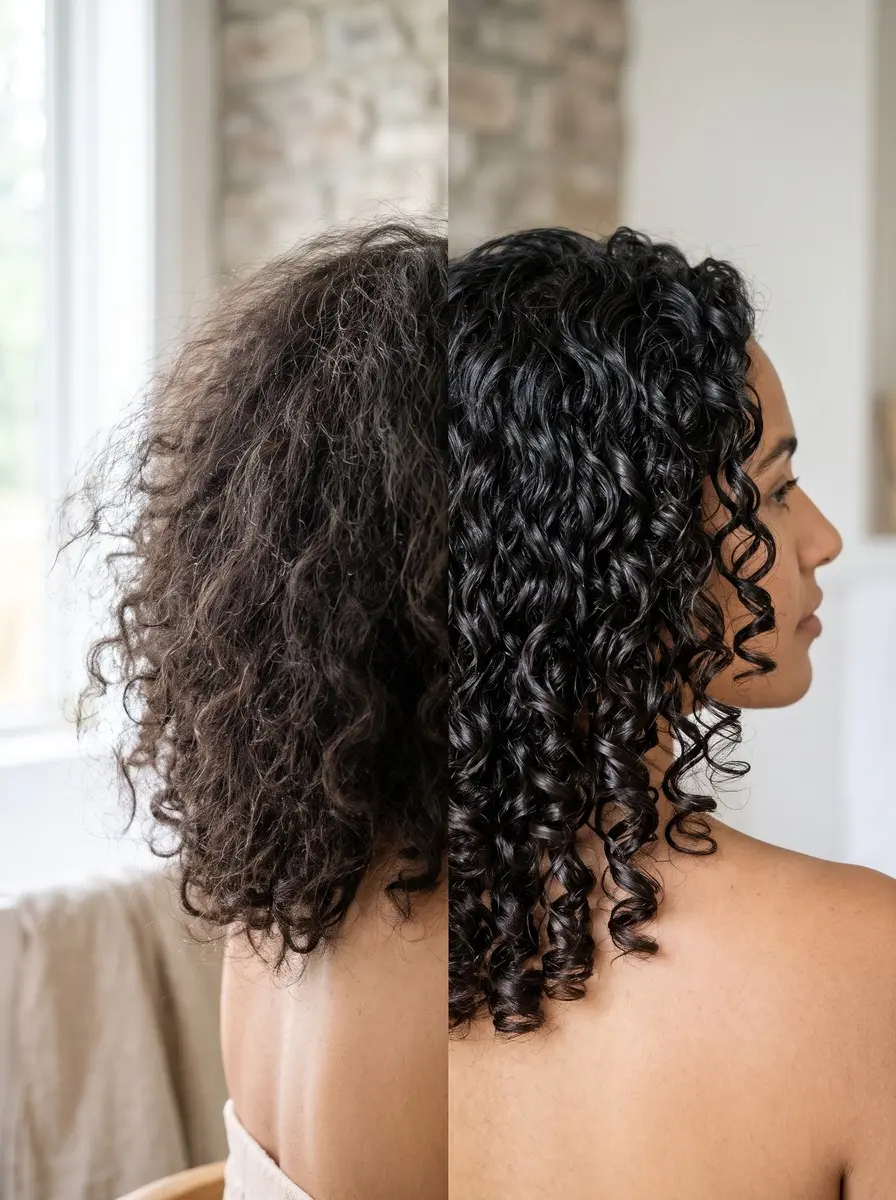
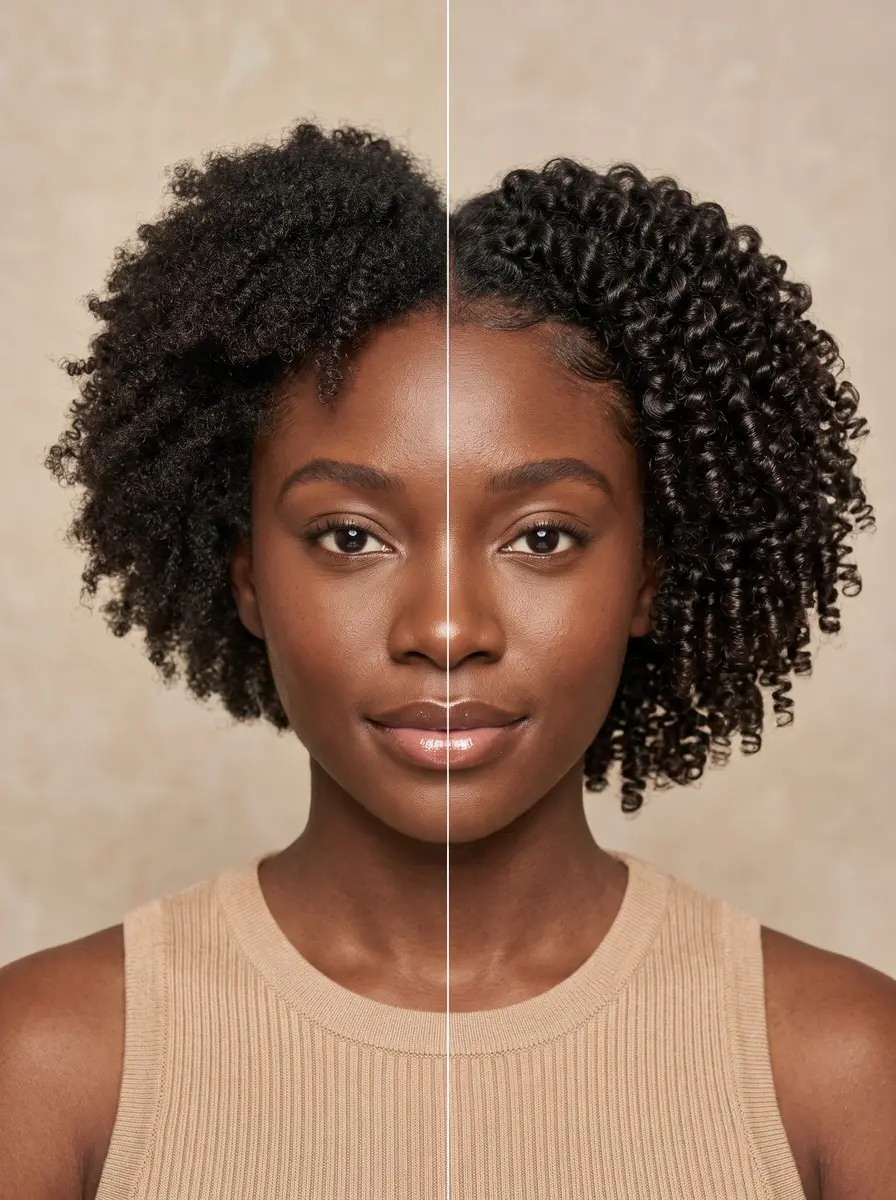
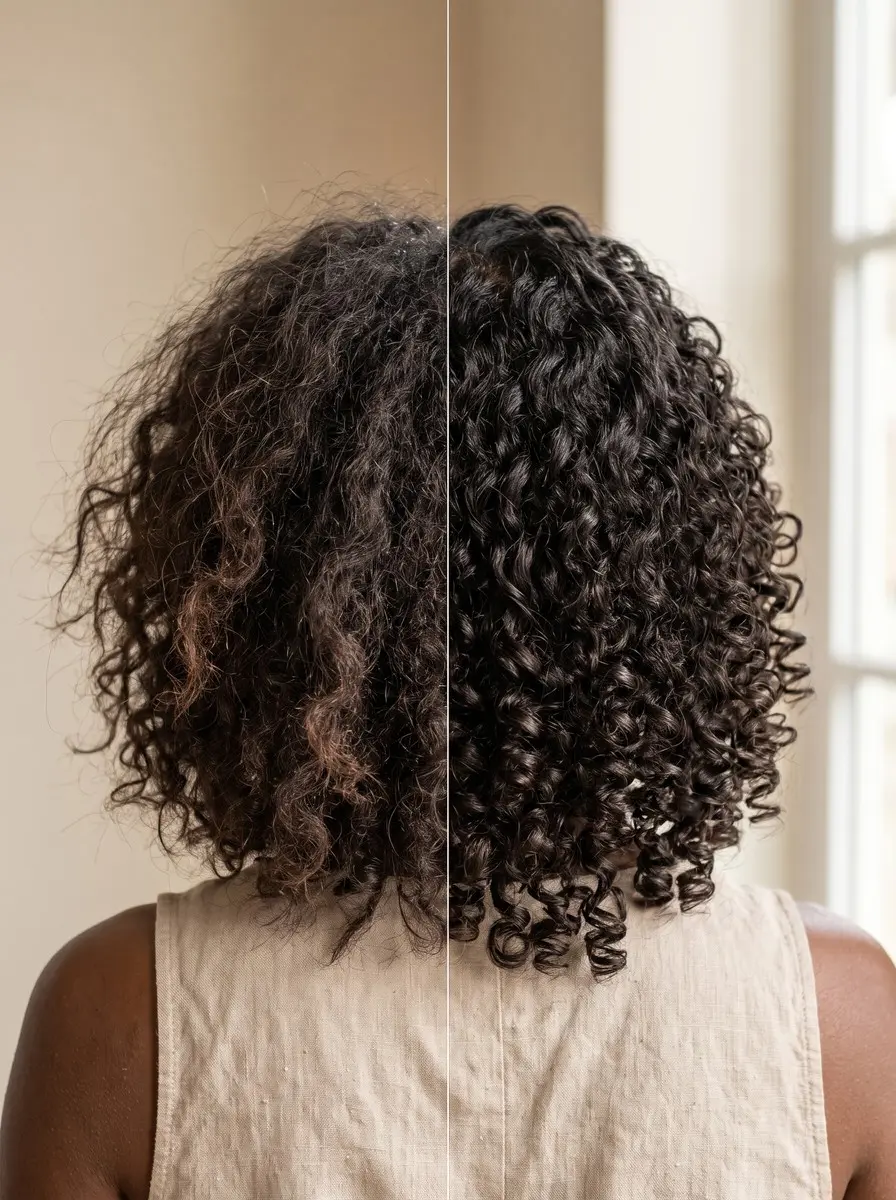
Once your hair is dry, judge the result. Soft, bouncy curls that detangled easily mean you got it right. If your roots look greasy, curls hang limp or there’s a waxy film, you used too much product, a base that was too heavy, or you didn’t rinse well enough, so lighten it next time or emulsify more thoroughly.
Repeat the pre-poo before every wash if your hair is very dry, or once or twice a week otherwise. If you’ve been washing a lot and notice a tight scalp with dry, frizzy strands, wash less often rather than adding more pre-poo.
Common Mistakes to Avoid
- Using a leave-in conditioner as the pre-poo. It’s too light to give real slip, and it washes straight off.
- Massaging heavy oil or butter into an oily scalp, which leaves roots greasy even after shampooing.
- Starting at the roots when detangling. Ripping down from the top drives knots into tighter tangles; comb from the ends up.
- Adding water to heavily oiled hair without emulsifying first, then wondering why the curls dry with a waxy film.
- Leaving a heavy overnight treatment on fine or low-porosity hair, which almost always ends in limp, flat curls.
Pro tip Before you turn on the water, rub a palmful of conditioner over the oiled lengths. It breaks up the oil, so one gentle scalp shampoo rinses it clean instead of you needing two harsh washes.
The Bottom Line
A good pre-poo is simple: a base that matches your hair, sections small enough to coat properly, a gentle detangle from the ends up, and enough time for the product to coat the strands. The payoff is a wash day with less snapping and tangling, and curls that dry softer and better defined.
Repeat it before every wash if your hair is very dry, or once or twice a week if it isn’t, and adjust the base and timing until your curls feel nourished rather than weighed down.
If you’re losing lots of hair at every wash even with gentle handling, or your hair snaps easily after bleaching or relaxing, see a stylist or dermatologist. A pre-poo cuts breakage from washing, but it can’t fix damage that is already done.
Frequently Asked Questions
Can I use a leave-in conditioner as a pre-poo?
It's not a good choice. Leave-ins are made to be light enough to stay on all day, so they give less slip and cushion than a rinse-out conditioner, oil or butter. Because shampoo washes it straight off, you're spending a styling product on nothing. Use a regular conditioner, a mask, an oil or aloe vera gel instead.
How long should I leave a pre-poo on curly hair?
Leave it on for at least 30 minutes so the product fully coats the strands. Thirty to sixty minutes suits fine, low-porosity or medium-porosity hair. Very dry, coarse or high-porosity curls can go overnight with an oil or butter base under a satin scarf or bonnet. Longer sessions rarely help fine hair and often leave it greasy.
How often should I pre-poo?
Pre-poo before every shampoo if your curls are very dry or tangle badly, or once or twice a week otherwise. Curly hair is typically washed one to five times a week, with shampoo focused on the scalp. If your scalp feels tight and your strands look dry and frizzy, you may be overwashing. Wash less often rather than adding more pre-poo.
Should I pre-poo if I have fine or low-porosity hair?
You can, but keep it light. Use a few drops of argan or almond oil or a plain rinse-out conditioner on the mid-lengths and ends only. Keep it off the scalp and leave it on 30 to 60 minutes rather than overnight. If your curls still look flat or greasy after washing, skip the step. Not every head of hair needs it.
How do I get pre-poo oil out without buildup?
Smooth a little conditioner or shampoo over the oiled lengths before you wet your hair. This breaks up the oil so it rinses clean. Then shampoo at the scalp and let the lather run through the ends. After a heavy oil or butter, a second light scalp shampoo may be needed. If a film builds up over time, use less product or a lighter base.
Keep Reading
Sources
- Pre poo healthline.com
- How often to wash curly hair healthline.com