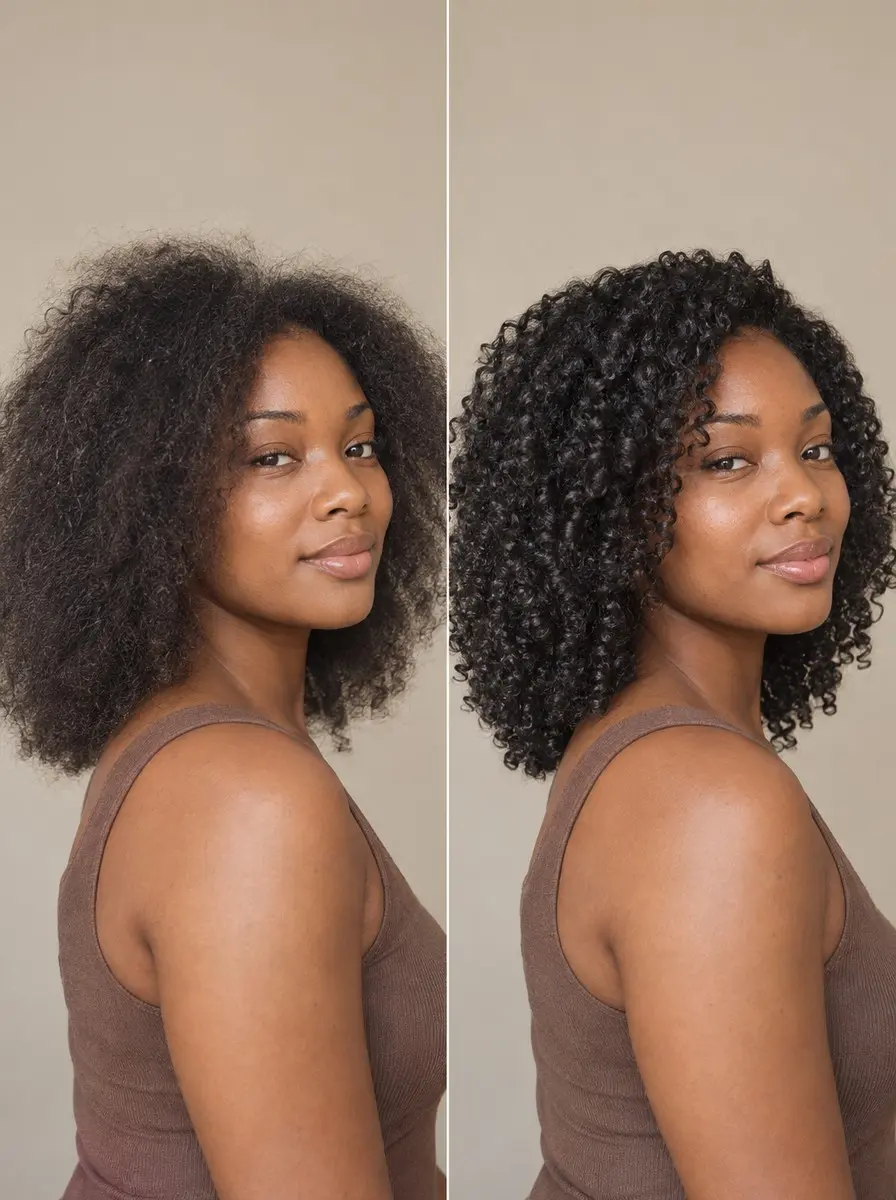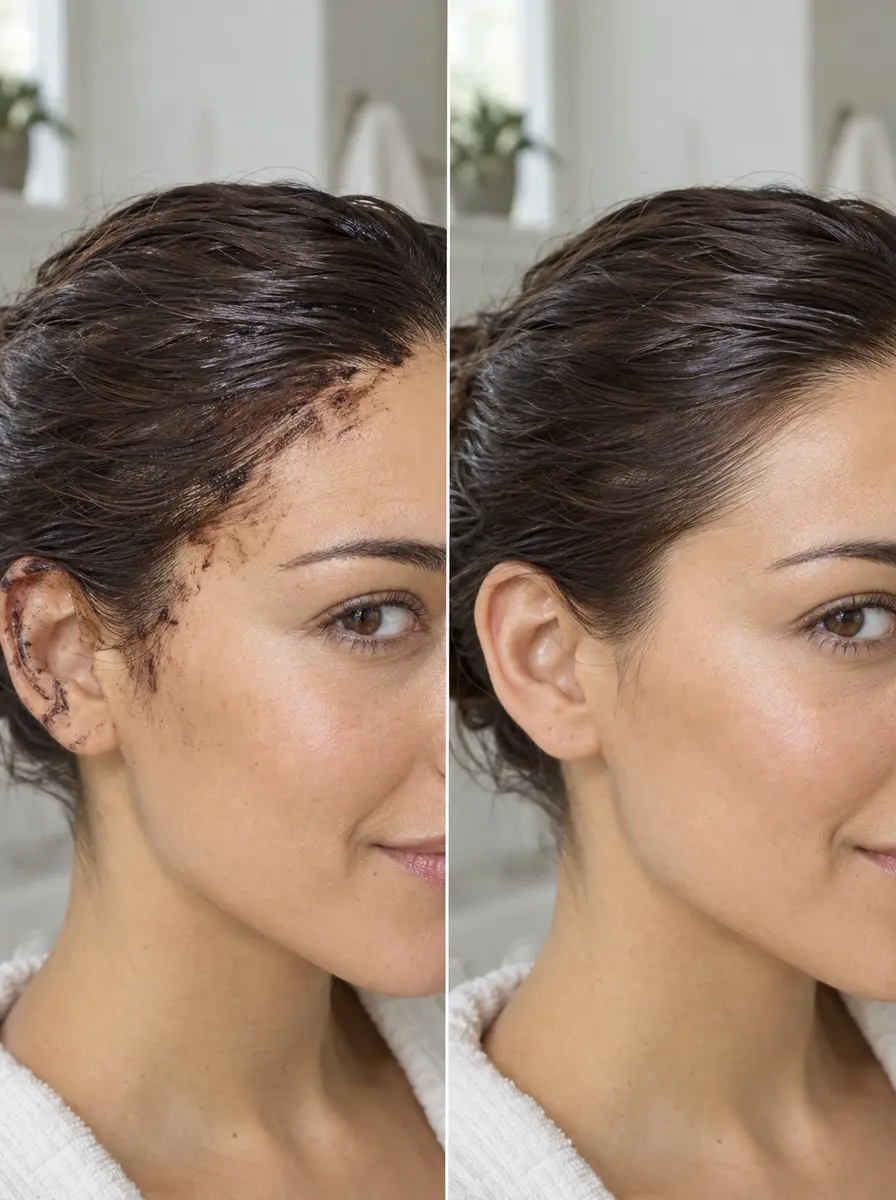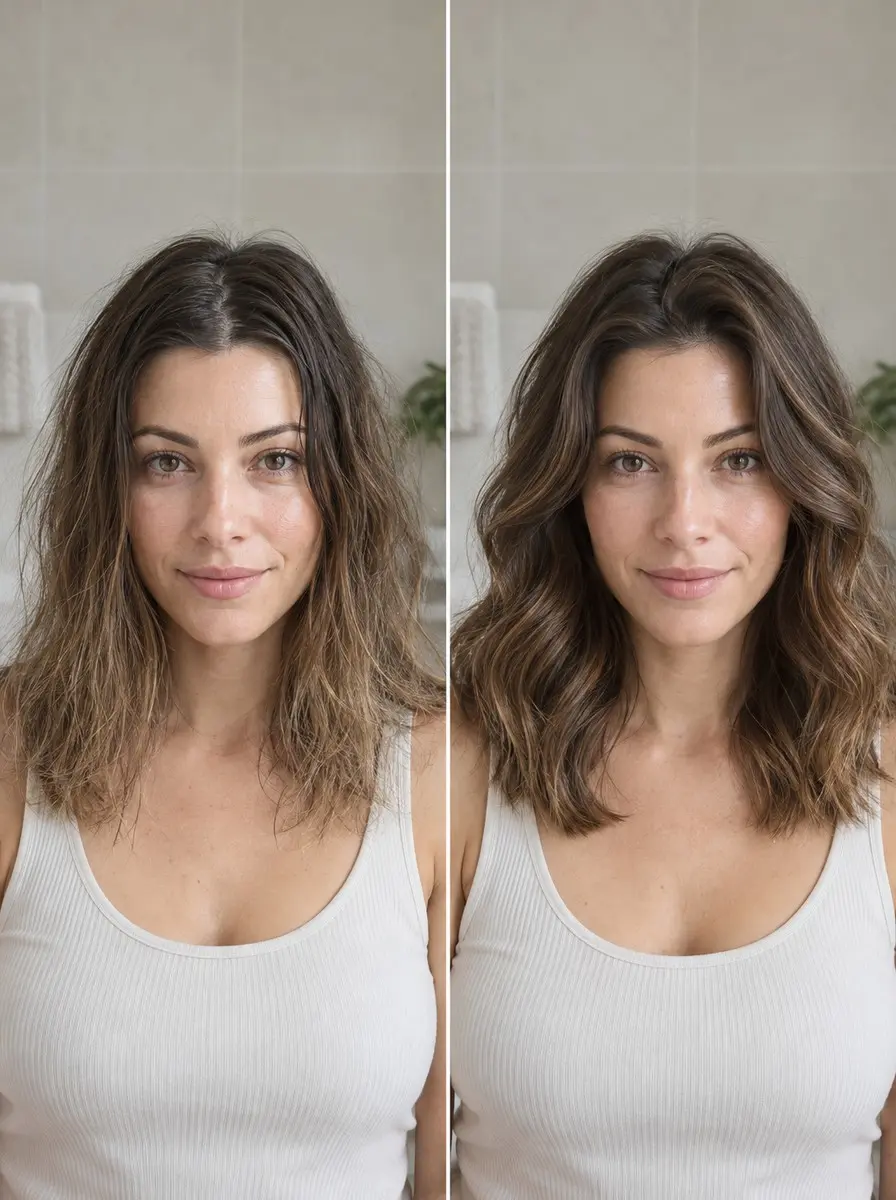
Quick answer To choose a shampoo, match it to your scalp first: use a stronger, lightweight cleanser if your roots get greasy within a day, a gentle sulfate-free formula if they stay fresh for days, and a fragrance-free one if your scalp reacts. Then adjust for texture and color, and condition only your lengths.
Most of us pick shampoo by scent, packaging or habit, then wonder why our roots look greasy by lunchtime or our ends feel like straw. A fancier bottle won’t fix that. You need to match the formula to two things.
The first is your scalp, which is what shampoo actually cleans. The second is your hair’s texture and concerns, which decide how much conditioning it can handle. Dermatologists advise choosing a shampoo made for your hair type, and the back of the bottle tells you far more than the front does.
This guide starts with a quick roots check to pin down your scalp type. Next comes a texture match for fine, thick, curly, color-treated and gray hair, then a plain-English read of cleansing agents and front-label claims.
You’ll also learn when to rotate in a clarifying or purple shampoo, how to pair a conditioner, and the signs that a formula is wrong for you. All it takes is about fifteen minutes and a couple of weeks of paying attention. You don’t need a salon visit.
Time 10-15 minutes to choose, plus a two-week trialDifficulty BeginnerSteps 8
Shampoo Match by Scalp and Hair Type
| Your scalp or hair | Look for | Use sparingly |
|---|---|---|
| Oily scalp (greasy within a day) | Lightweight, stronger cleanser | Rich moisturizing formulas |
| Dry scalp (fresh 4+ days) | Gentle, sulfate-free, moisturizing | Strong sulfate cleansers |
| Sensitive scalp | Fragrance-free, gentle cleansers | Added fragrance, essential oils |
| Fine or limp hair | Volumizing, lightweight | Heavy oils and butters |
| Thick or coarse hair | Moisturizing or smoothing | Volumizing formulas |
| Curly or coily hair | Sulfate-free moisturizing; co-wash between | Strong sulfates every wash |
| Color-treated hair | Color-safe, sulfate-free | Frequent clarifying |
| Gray or yellowing blonde | Moisturizing base plus weekly purple | Purple on every wash |
What You’ll Need
As an Amazon Associate, HairAide earns from qualifying purchases. Product links in this guide are affiliate links: they cost you nothing extra and help keep these tutorials free.
- Fragrance-free gentle shampoo For a scalp that itches, stings or turns pink: a mild, fragrance-free formula avoids the most common irritants.
- Volumizing shampoo For fine or limp hair: it cleans without leaving behind the oils and butters that flatten thin strands.
- Sulfate-free moisturizing shampoo The everyday pick for a dry scalp and for thick, curly, coily, color-treated or gray hair, because it cleans gently and leaves softening conditioners behind.
- Cleansing conditioner Optional: curly and coily hair can use it between shampoos to clean lightly without losing moisture.
- Purple toning shampoo Violet pigment cancels yellow on blonde, silver and gray hair once a week or every few washes; blue shampoo is for orange brass on brunette highlights.
- Clarifying shampoo A periodic deep clean that lifts product buildup and hard-water minerals so your everyday shampoo can work properly again.
- Conditioner matched to your lengths Applied from the mid-lengths to the ends, it handles dryness and tangles so your shampoo only has to suit your scalp.
- Dry shampoo Optional: it absorbs oil to stretch a day between washes, but it never replaces washing with shampoo and water.
Step-by-Step
Step 1 Check how fast your roots get oily
Start with your scalp, not your lengths, because a shampoo’s main job is cleaning skin. Wash as usual, skip heavy styling products for a few days, then watch your roots. If they look greasy or flat within about 24 hours, your scalp is oily. If they stay fresh for 2-3 days, it’s balanced.
If you can comfortably go 4 days or more, or your scalp feels tight right after washing, it’s on the dry side. That one observation tells you how strong a cleanser you need: an oily scalp can handle a stronger, lightweight cleanser, and a dry scalp does better with a gentle, moisturizing one.
Step 2 Flag a sensitive scalp early
Next, ask whether your scalp reacts. If shampoos have ever left it itchy, stinging or pink, treat it as sensitive and shortlist only gentle, fragrance-free formulas, the approach dermatologists suggest for reactive skin. Look for ‘fragrance-free’ rather than ‘unscented’, because an unscented product can still contain a masking fragrance.
Be wary of essential oils too: they sound natural, but they’re a common irritant. If flaking, scaling or itching doesn’t settle on a gentle shampoo, a product swap won’t fix it. See a dermatologist, who can find the cause and recommend a medicated shampoo if you need one.
Step 3 Match the formula to your texture
Now look at the hair itself, from root to tip. Fine or limp hair does best with a volumizing or lightweight shampoo, because rich oils and butters cling to thin strands and flatten them. Thick or coarse hair can take a moisturizing or smoothing formula that leaves enough conditioning behind to soften it, while a volumizing formula often leaves it under-conditioned.
Curly and coily hair loses moisture easily along every bend. A sulfate-free moisturizing shampoo, with a cleansing conditioner between shampoos if you like, keeps the definition without a dry, frizzy squeak. Color-treated hair wants a color-safe, sulfate-free formula that cleans gently enough to help the color last between appointments.
Gray hair often feels coarser and drier, so it usually suits a moisturizing base with an occasional purple shampoo. If your scalp and lengths point different ways, as with oily roots and dry ends, let the scalp choose the shampoo and let the conditioner look after the ends.
Step 4 Read the cleansing agents first
Flip the bottle and read the first few ingredients after water. Ingredients are listed roughly from most to least, so the cleansing agents (surfactants) near the top decide how strongly the shampoo cleans. Sodium lauryl sulfate and sodium laureth sulfate are strong, high-lather cleansers.
They suit oily scalps and heavy product users but can leave a dry scalp tight and curly or color-treated hair rough.
Milder options include cocamidopropyl betaine, sodium cocoyl isethionate, sodium lauroyl methyl isethionate, and glucosides such as decyl glucoside or coco-glucoside. ‘Sulfate-free’ alone doesn’t prove a shampoo is gentle. Sodium C14-16 olefin sulfonate contains no sulfate yet can be nearly as stripping, so check the actual ingredient names rather than trusting the front-label claim.
Step 5 Decode the front-label claims
Front-label words are shorthand for what a formula does, and each one suits a different job. Clarifying means a stronger clean, often with chelating agents such as disodium EDTA that lift product buildup and hard-water minerals.
Treat it as a reset, not an everyday wash. Volumizing means lighter conditioning, sometimes with polymers that add body, so fine strands aren’t weighed down. Moisturizing or hydrating means added conditioning ingredients such as glycerin, oils or conditioning polymers (look for ‘polyquaternium’).
These soften coarse, curly or dry hair but can flatten fine hair and oily roots. Purple shampoo deposits violet pigment that cancels yellow on blonde, silver and gray hair. It won’t fix orange brass on brunette highlights, which needs a blue shampoo instead.
Step 6 Pair conditioner with your ends
Choose your conditioner for your lengths and ends, not your scalp, since that’s where it goes. Massage shampoo into your scalp with your fingertips for about a minute, then let the lather run down the lengths as you rinse. That’s enough to clean them without roughing up the ends.
Next, smooth conditioner from the mid-lengths to the ends, keeping it off your roots if they get oily, and rinse once the hair feels slippery rather than coated. Fine hair wants a light conditioner, while thick, curly or color-treated ends can take a richer one. Splitting the jobs this way is how oily-scalp, dry-ended hair gets both of its needs met.
Step 7 Rotate in clarifying and purple shampoo
Most people do best with one everyday shampoo plus one or two occasional specialists. If you use a lot of styling product, have very oily roots or live with hard water, use a clarifying shampoo about once a week.
Otherwise, once or twice a month is enough. Color-treated and curly hair belong at the less-often end, because a strong clean also lifts color and moisture. Use purple shampoo once a week or every few washes.
Leave it on for 1-3 minutes at first and build up only if yellow persists. If your hair turns lilac or looks dull, you’re overdoing it: cut back and go back to your regular shampoo for a few washes.
Step 8 Test it for two weeks
Give a new shampoo about two weeks of regular washes before you judge it. The first few washes are still removing the old product’s residue, so they can feel unusually clean or unusually soft. Then check the signs.
An itchy or tight scalp, or a squeaky, straw-like feel through the ends, means the formula is too stripping or irritating for you. Roots that turn greasy sooner than they used to, or lengths that hang limp and flat, mean it’s too heavy or isn’t cleaning enough.
If your color fades noticeably faster, move to a gentler sulfate-free base. Reassess after a color service, a change of season or a shift in your texture.
Common Mistakes to Avoid
- Choosing a shampoo for your dry ends when your scalp, the part you’re actually washing, is oily, which leaves your roots greasy by the next day
- Trusting ‘sulfate-free’ or ‘natural’ on the front label without reading the cleansing agents on the back
- Using clarifying or purple shampoo on every wash, which dries out curly and color-treated hair and can leave blonde or gray hair lilac and dull
- Leaning on dry shampoo for days instead of washing, so oil and powder build up at the roots
- Working conditioner into oily roots instead of keeping it on the mid-lengths and ends
Pro tip If you’re torn between two scalp types, pick the gentler cleanser and add a clarifying wash whenever your roots need it. Adding an occasional deep clean is much easier than repairing lengths that a too-strong daily shampoo keeps drying out.
The Bottom Line
Choosing a shampoo is mostly about doing things in the right order. Start with your scalp type, then your texture and concerns, then read the cleansing agents to confirm the bottle does what the front promises. Pair it with a conditioner chosen for your ends, and keep clarifying and purple shampoos as occasional specialists. Reassess after a color service, a change of season or a move to harder water.
If your scalp stays itchy, flaky, red or sore even on a gentle, fragrance-free formula, or you notice more shedding than usual, book a dermatologist rather than cycling through more bottles. If color-treated hair keeps fading or turning brassy despite a color-safe routine, your colorist can adjust the formula or add a gloss between appointments.
Frequently Asked Questions
Is sulfate-free shampoo better for every hair type?
No. Sulfates are effective cleansers that suit oily scalps and anyone washing out heavy styling product or sweat. Sulfate-free formulas are kinder to dry scalps, sensitive scalps, and curly, coily or color-treated hair. Read the ingredients either way, because a few sulfate-free cleansers, such as sodium C14-16 olefin sulfonate, clean almost as strongly as sulfates do.
Can dry shampoo replace washing your hair?
No. Dry shampoo absorbs oil so your roots look fresher, but it doesn't clean your scalp. Dermatology guidance, including advice attributed to the American Academy of Dermatology, is that it shouldn't replace washing with shampoo and water. Use it to stretch a day between washes, then wash it out properly so powder doesn't build up at the roots.
How often should you use purple shampoo on gray or blonde hair?
Once a week, or every few washes, is enough for most gray, silver and blonde hair. Leave it on for 1-3 minutes at first and lengthen the time only if yellow persists. Use your regular moisturizing shampoo on the other washes. If your hair takes on a lilac cast or looks dull, cut back.
Should I change my shampoo if my scalp is itchy or flaky?
If your scalp is itchy or flaky, try a gentle, fragrance-free shampoo first, as dermatologists suggest for sensitive scalps. If flaking, scaling, redness or itching continues after a couple of weeks on a gentle formula, see a dermatologist. They can diagnose the cause and recommend a medicated shampoo if needed, which beats guessing at treatments yourself.
Does hair get used to the same shampoo over time?
Hair can't build a tolerance to shampoo, because the strand isn't living tissue that adapts. What changes is everything around it: product and mineral buildup, a new color, the seasons, or a shift in texture. That's why a clarifying wash often revives a shampoo that seemed to stop working, and why it's worth reassessing after any big change.
Keep Reading
Sources
- today.com today.com
- nbcnews.com nbcnews.com