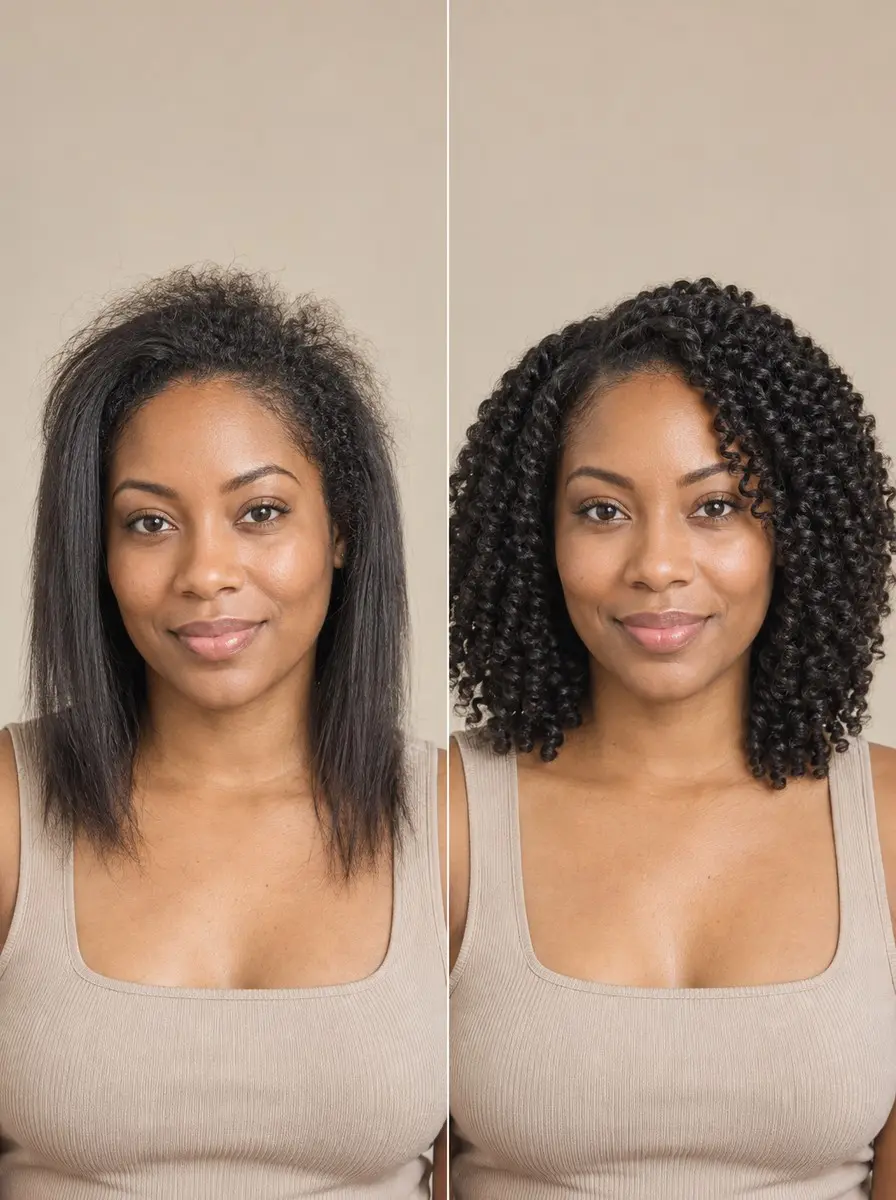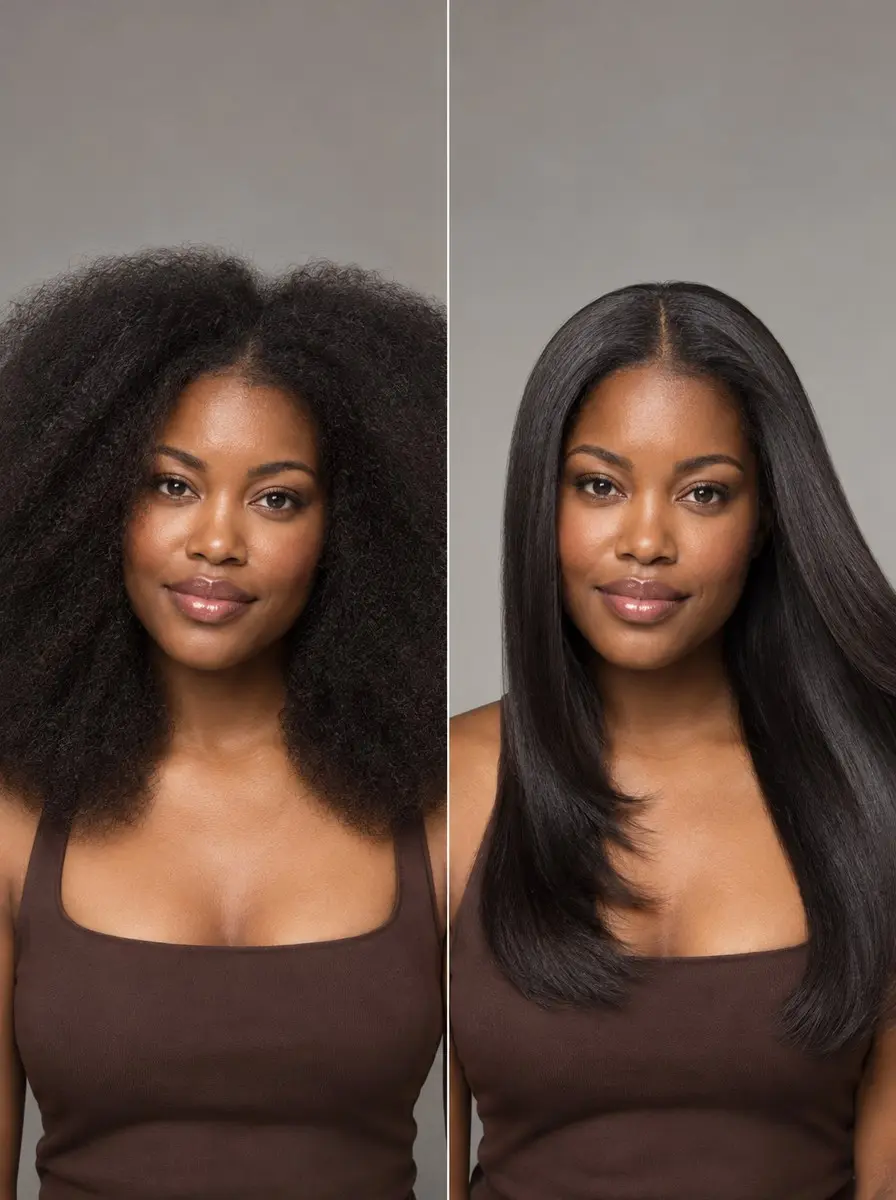
Quick answer To use a hot comb safely, start on clean, completely dry, detangled hair with heat protectant, set the comb to the lowest setting that smooths a test section, then glide it slowly from root to ends in small sections, two passes at most.
Knowing how to use a hot comb well gets you close to the root on short or tightly coiled hair, smooths edges and the nape, and leaves a pressed finish with real body, something a flat iron struggles to do.
The comb can also cause heat damage quickly when it runs too hot, meets hair that is still damp, or gets dragged over the same section again and again. And the temperature advice online is all over the place.
This guide sticks to what holds up. You’ll learn the difference between electric and stove-heated combs, why your comb’s own manual outranks any chart on the internet, how to set up a safe station, and how to find the lowest heat that actually works for your texture.
Coily hair gets its own step, because that is where over-combing does the most harm. With small sections and some patience, a safe press is completely doable at home.
Time 1-2 hours, plus wash-and-dry timeDifficulty IntermediateSteps 8
Hot Comb Temperature by Hair Texture
| Hair or comb | Start at | Don’t go past |
|---|---|---|
| Fine, thin or bleached | 210-250°F (lowest setting) | About 300°F (150°C) |
| Medium, unprocessed | Lowest setting, then one step up at a time | About 300-355°F |
| Coarse, dense or tightly coiled | Lowest setting, then one step up at a time | About 355-390°F (180-200°C) |
| Stove-heated comb (no dial) | Cooled until a paper towel doesn’t brown | Any scorch, smoke or burning smell |
What You’ll Need
As an Amazon Associate, HairAide earns from qualifying purchases. Product links in this guide are affiliate links: they cost you nothing extra and help keep these tutorials free.
- Hot comb The electric kind lets you start at the manual’s lowest setting and repeat it, while a stove comb has no dial and has to be tested before every use.
- Heat-resistant silicone mat and a white paper towel The mat gives the comb one stable, heat-proof place to rest and cool, and the paper towel is the scorch test for a stove comb and the wipe for cooled teeth.
- Shampoo (clarifying if you have buildup) and rinse-out conditioner Clean hair has no old product to smoke on the hot metal, and conditioner gives the slip you need to detangle.
- Wide-tooth detangling comb Removes every knot before pressing so the hot comb never catches and pulls.
- Heat protectant Goes on damp hair before blow-drying so it is spread evenly under both the dryer and the hot comb.
- Blow-dryer with a comb attachment Gets hair completely dry and well stretched, so each section smooths in fewer passes.
- Sectioning clips Hold the quadrants and finished sections out of the way, so you press each thin section and never go back over it.
- Satin bonnet or silk scarf Protects the press overnight so it lasts until wash day without a re-press.
Step-by-Step
Step 1 Choose your comb and read its manual
Hot combs come in two kinds: electric combs with a built-in heating element, ideally with an adjustable dial and an auto shutoff, and traditional metal pressing combs that you heat on a stove burner.
An electric comb is easier to use safely because the dial lets you start low and repeat the same setting every time, while a stove comb has no dial and needs the paper-towel test described below. Whichever you own, read the manufacturer’s temperature chart before anything else: one Remington hot comb manual lists 210-250°F for thin or fine hair, far below the 250-400°F ranges many blogs quote.
The maker knows how its own heating element behaves at each setting, so its numbers outrank any general chart, including ours. If you’ve lost the manual, search the model number on the maker’s website, since many brands post their manuals online.
Step 2 Set up a safe heat station
Set up before you start pressing: a stable, flat counter or table with a heat-resistant mat, well away from the sink, water glasses, towels and anything that can scorch or splash.
Run an electric comb’s cord so it can’t snag on a chair or pull the comb off the edge, and give a stove comb its own burner with nothing flammable nearby, and never leave it there unattended. Work in good enough light to see exactly where the teeth meet the hair near your scalp.
Every time you put the comb down, it goes back on the mat, never on a towel, the vanity or your lap. Giving the comb one fixed home is your best protection against burns and scorch marks, because a hot tool you have to hunt for is a hot tool you grab by the wrong end.
Step 3 Wash, condition and detangle
Start with freshly washed hair, because old styling cream, oil and dry shampoo heat up on the metal, smoke, and leave the press heavy and greasy. Shampoo (with a clarifying shampoo if you have buildup), then apply a rinse-out conditioner for slip.
With the conditioner still in, detangle with a wide-tooth comb from the ends up to the roots, so no knots are left for the hot comb to catch. A knot that meets a hot comb gets pulled and heated at the same moment, which quickly leads to breakage. Rinse once the wide-tooth comb glides through every section without snagging.
Step 4 Dry completely with heat protectant
Work heat protectant through damp hair section by section, then blow-dry on medium heat with a comb attachment until every strand is stretched and completely dry from root to tip.
Putting it on now spreads it evenly under both the dryer and the comb; if your protectant is also labeled for dry hair, a light extra layer before pressing is fine, but a heavy one makes the comb smoke. Dryness matters more than anything else here, because water left in the strand turns to steam under the comb, and pressing damp hair is one of the most damaging mistakes you can make with any hot tool.
Feel the roots and nape, which dry last, with your fingertips. If any section feels even slightly cool or damp, dry it again before it goes anywhere near the comb.
Step 5 Find your lowest working temperature
Set an electric comb to its lowest setting, or to the bottom of its manual’s range for your texture, and press one thin test section at the nape.
Raise the dial one step at a time only if that section still won’t smooth in two passes, and treat these as ceilings rather than targets: about 300°F (150°C) for fine, thin or bleached hair, about 300-355°F for medium-textured unprocessed hair, and about 355-390°F (180-200°C) for coarse, dense or tightly coiled hair. Sources genuinely disagree on hot comb temperatures, so your comb’s manual and your test section come first, and any chart, including this one, comes second.
For a stove comb, heat it, then press it onto a white paper towel for a few seconds: if the towel browns or scorches, let the comb cool on the mat and test again. The right temperature is the lowest one that smooths the section, not the hottest one your hair can survive.
Step 6 Press small sections slowly root to tip
Clip dry hair into four quadrants with sectioning clips, then let down one section at a time, about as wide as the comb and thin enough that the teeth pass through without resistance.
Slide the teeth into the section about a quarter inch from the scalp and glide toward the ends in one slow, steady pass, keeping the comb moving the whole time. Slow, even movement spreads heat along the strand, while stopping lets one spot overheat, and that is how pressed hair ends up with dry, brittle patches.
Give each section one or two passes at most, then pin it aside so you aren’t tempted to go back over it. Lower the heat for your edges, which are usually finer than the rest of your hair, and keep the teeth away from the skin around your hairline and ears, which burns easily.
Step 7 Go gentler on coily hair
Tightly coiled hair has many bends along each strand, and those bends are its weakest points, so repeated passes and tension put the most stress exactly where breakage starts. Work in smaller sections than you would on wavy or loosely curly hair, and make sure the blow-dry stretched them well, because a well-stretched section smooths in fewer passes.
Keep strictly to the two-pass limit: if a section is still a little textured at the root, the fix is a thinner section or a better stretch, never a third or fourth pass.
Over-combing is where coily hair takes the most damage, since every extra pass adds heat and pulling at the same time. A soft root with smooth lengths still looks polished, and it protects the curl pattern you want back when you wash the press out.
Step 8 Stop at damage signs, then cool the comb
Stop pressing straight away if you smell burning hair, see smoke, hear sizzling, or feel ends that are rough, frayed or snapping. Steam or sizzling means there is moisture or too much product in the hair, while smoke or a scorched smell means the comb is too hot or is burning residue, so fix the cause before you continue.
When you finish, switch off or unplug the comb (or take a stove comb off the burner), let it cool completely on the mat, and only then wipe residue off the teeth with a paper towel so it can’t scorch next time.
At night, wrap your press in a satin bonnet or silk scarf so it lasts until wash day without a re-press. After your next wash, check that your curl pattern comes back: sections that stay straight or limp are heat-damaged and need a break from heat, not another press.
Common Mistakes to Avoid
- Pressing hair that’s still slightly damp at the roots or nape, so the water sizzles and turns to steam under the comb.
- Going over the same section three, four or five times instead of taking a thinner section or improving the stretch.
- Using a blog’s 400°F number instead of your comb’s own manual and the lowest setting that works.
- Pausing the comb in one spot to ‘set’ the hair, which concentrates heat and leaves a brittle, scorched band.
- Resting a hot comb on a towel, the edge of the sink or your lap instead of a heat-resistant mat.
- Coating the hair in heavy grease or pomade before pressing, which smokes on the hot metal and leaves the press limp.
Pro tip When a section won’t smooth in two passes, halve it before you touch the dial. A thinner section lets every strand get even heat from the comb at the setting you already have, which is how stylists get a sleek press at a lower temperature.
The Bottom Line
A safe press comes down to a few habits: clean, completely dry hair, the lowest setting that smooths, thin sections, a pass that never stops in one spot, and the discipline to quit at two passes. Make the press last by wrapping it in satin at night instead of re-pressing, and check that your curls spring back after each wash.
One heat note covers all of it: use a heat protectant before the blow-dryer and the comb, keep a hot comb or flat iron at or under about 300°F (150°C) for fine or bleached hair and 355-390°F (180-200°C) for coarse hair, and press only completely dry hair. If your ends are already breaking or your hair is bleached, see a stylist who specializes in pressing textured hair instead.
Frequently Asked Questions
How often can you use a hot comb without damaging your hair?
No single safe number fits everyone. Many blog guides cap hot combing at once or twice a week, but treat that as an absolute ceiling, not a routine: the fewer heat sessions, the less damage builds up. Press on wash day, protect the style at night with a satin bonnet or silk scarf, and skip heat if your ends feel rough or your curls stop springing back.
Is a hot comb or a flat iron better for natural hair?
Each one wins in a different place. A hot comb gets closer to the root on short or tightly coiled hair and handles edges and the nape more easily, while a flat iron's two plates smooth longer lengths in fewer, more even passes. Many people use both, the comb at the roots and the iron through the lengths, always on completely dry hair.
Why is my hair smoking or sizzling when I use a hot comb?
Sizzling or steam means there is still water in the hair or too much product on it, so stop and dry that section fully. Smoke or a burning smell means the comb is too hot or is burning residue, so switch it off or take it off the burner, let it cool, wipe the teeth and restart at a lower setting. Never keep pressing through either sign.
What temperature should a hot comb be?
Start with your comb's own manual and its lowest setting, because published numbers conflict: one Remington manual lists 210-250°F for thin or fine hair, while many blogs quote 250-400°F. Raise the heat one step at a time only if a thin test section won't smooth in two passes, and treat about 300°F as the ceiling for fine or bleached hair.
Can a hot comb burn your scalp, and what should you do if it does?
Yes. The hot metal teeth can burn skin on contact, which is why you start about a quarter inch from the scalp and slow down near the ears, forehead and neck. For a minor burn, hold it under cool or lukewarm running water for 20 minutes, and don't use ice, butter or oils. Get medical care for a large, blistering or deep burn, or one that looks infected.